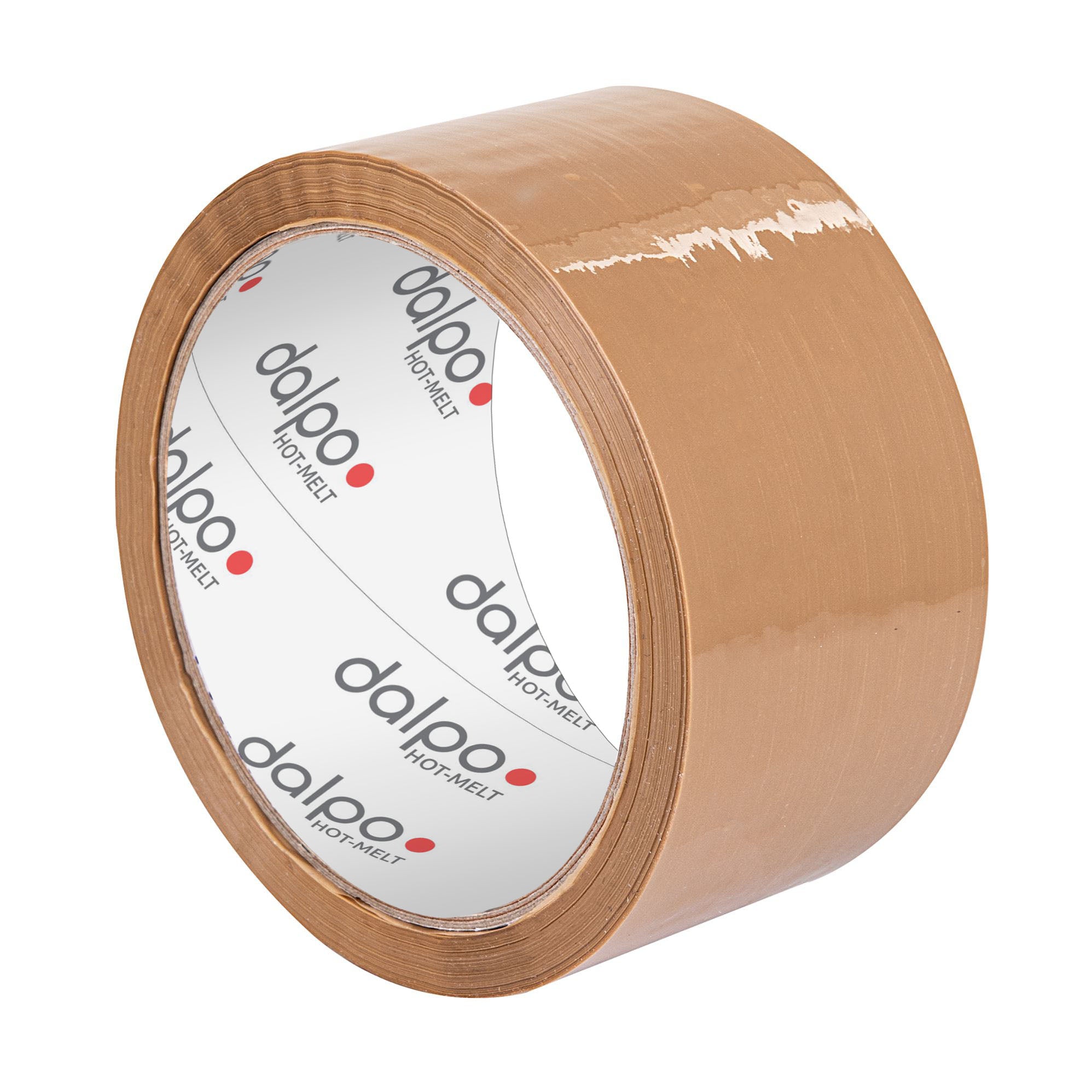
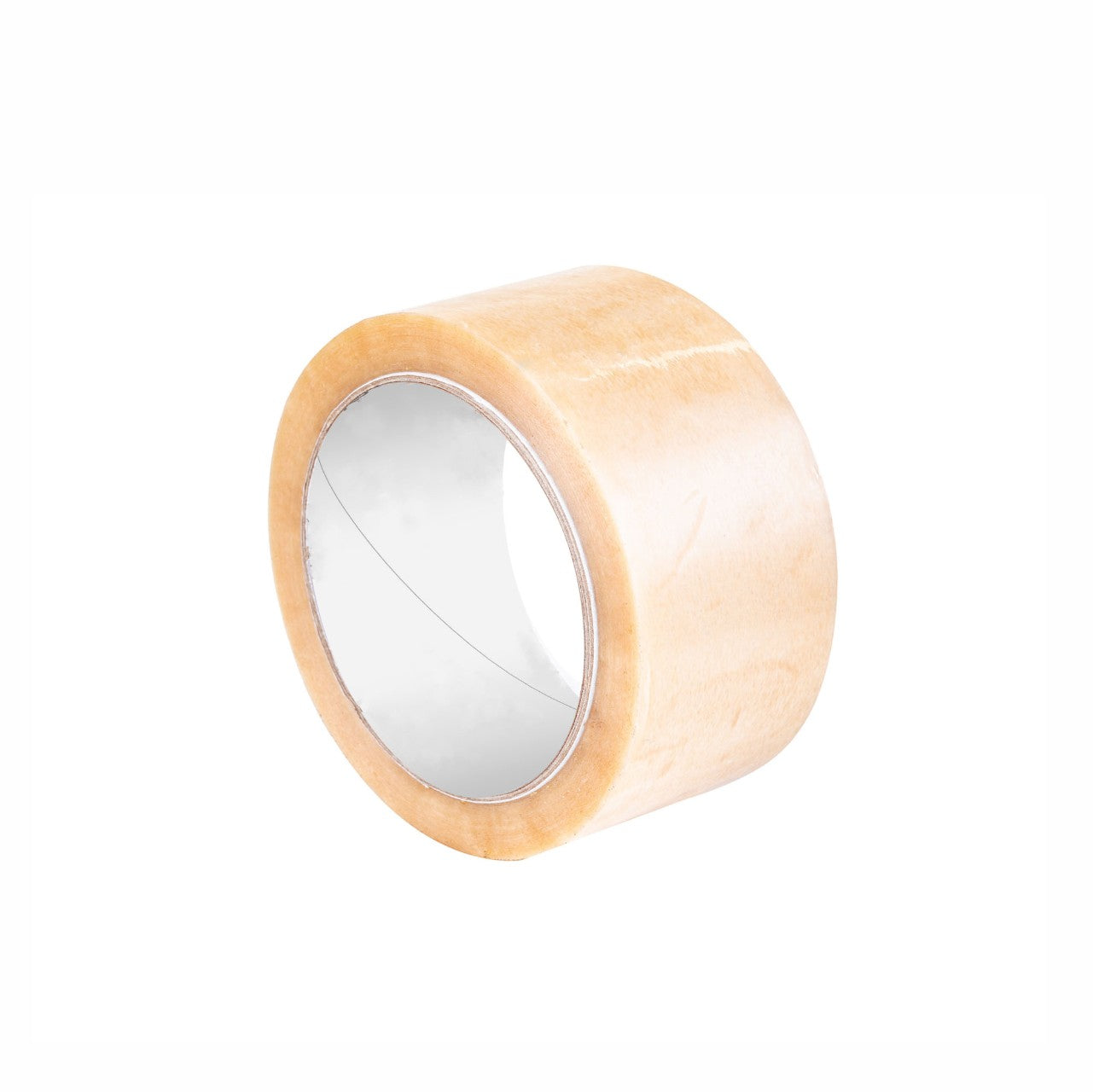
-
- 5 %20 - 50 pcs.
-
- 10 %51 - 100 pcs.
-
- 15 %101 - 150 pcs.
-
- 20 %from 151 pcs.
 High quality printing
- One size fits all
- Versatile use

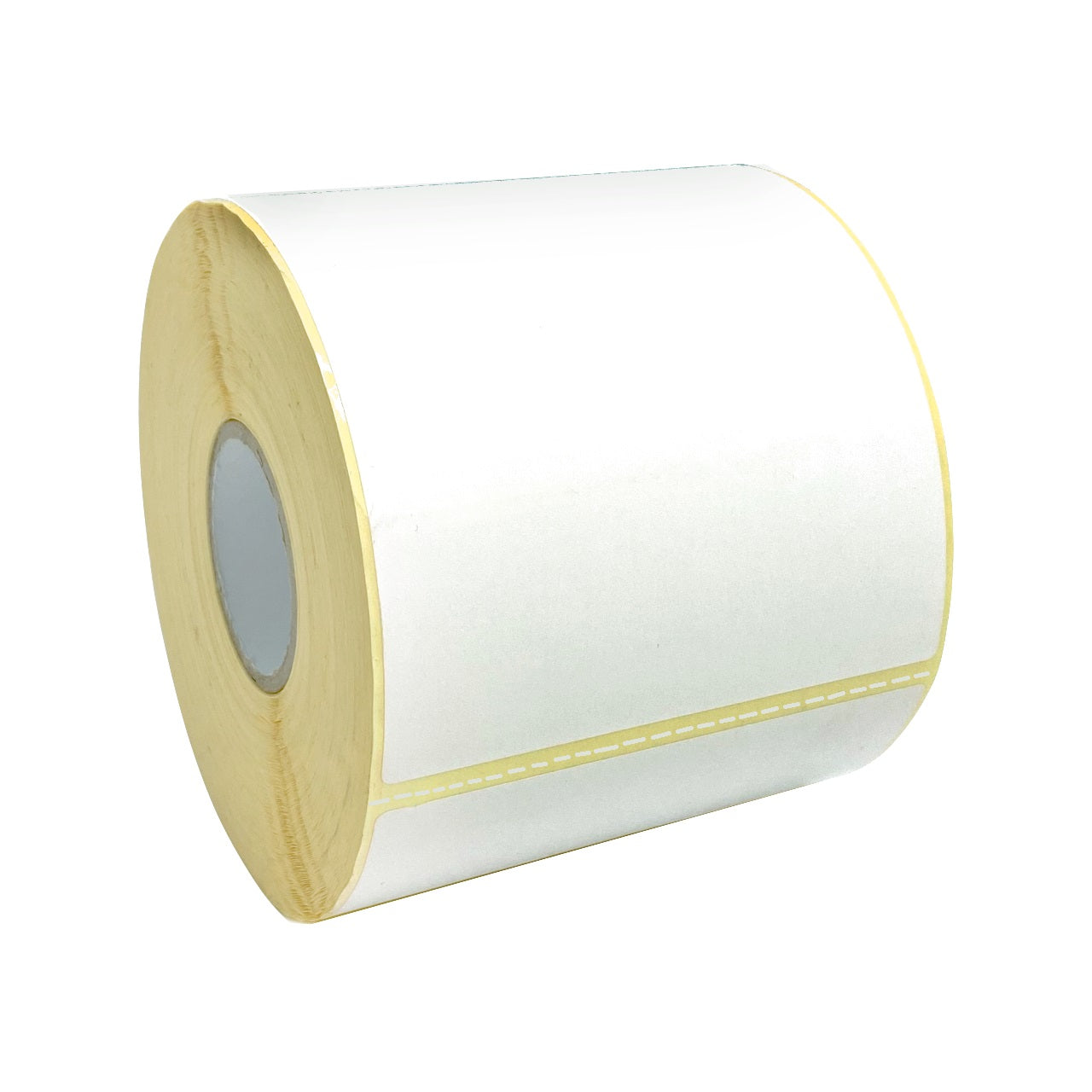
 White thermal labels 100x150mm with perforation (various variants)
White thermal labels 100x150mm with perforation (various variants)
White thermal labels 100x150mm with perforation (various variants)

White 100x150 mm thermal labels with perforation are a practical and reliable solution for quick marking of shipments, packages, and products. Available in a standard version (TECL) and a premium top version (TJPC with increased resistance to abrasion, moisture, and light), they are suitable for both everyday use and more demanding conditions. Perforation facilitates easy separation of labels, and various options (quantity per roll, core diameter) allow you to match the product to a specific printer and labeling system.
Technical specification
- Label dimensions: 100 x 150 mm
- Print type: Direct thermal
- Perforation: Yes – between labels
- Color: White
- Paper type: matte (TECL Eco BPA Free) or glossy (TJPC Premium)
- Cores and rolls: Various options (25 mm, 40 mm, 76 mm) (500 pieces, 1000 pieces, 2000 pieces)
Application
- Address and logistics labels
- Marking shipments in e-commerce and warehouses
- Printing barcodes, shipping labels, and information labels
Benefits and features
✅ Fast printing without ribbon
✅ Premium top version – increased resistance to moisture, abrasion, and light
✅ Easy separation thanks to perforation
✅ High print quality and readability of barcodes
✅ Various options tailored to user needs and printer
Usage tips
Choose the appropriate label variant according to durability requirements and printer type. Store in a dry and shaded place to maintain optimal material properties. Use perforation for quick label separation without the risk of damage.
Production tolerance is +/- 10% - payable in full.
Labels should be stored at a constant temperature of 20-25 °C.
The laminate's durability is up to 2 years when following the above storage recommendations.
The product and its functionality are guaranteed for a period of 1 year from the shipping date.
* Production time approximately 14 business days.
How does direct thermal printing work?
White 100x150 mm thermal labels with perforation can be printed without ribbon, toner, or ink. The paper is covered with a heat-sensitive layer, which the printer head activates نقطة by point with heat – at the point of contact, the material darkens and forms the print. The only consumable therefore remains the label itself.
For a shipping company, this means simpler supply logistics and a lower cost per label print. You don't have to stock ribbons, monitor their supply, or interrupt work to change the carbon in the middle of the shipping season.
Matte TECL or glossy TJPC – which version to choose?
The matte TECL Eco variant is BPA Free paper for everyday applications: address, courier, and warehouse labels that last as long as the package is delivered. For standard e-commerce shipping, it is perfectly sufficient.
The glossy TJPC Premium version has increased resistance to abrasion, moisture, and light, and its grammage is 67 g/m² compared to 62 g/m² in the standard version. Choose it when the label needs to remain legible longer or in harsher conditions – on packages stored in a damp warehouse, refrigerated products, or shipments exposed to intense rubbing during transport.
100x150 mm format and perforation in daily work
The 100x150 mm size accommodates a complete set of shipping data: address, barcode, consignment note number, and carrier markings. Courier and logistics labels are printed in this format, so one roll will handle shipments regardless of how many carriers you work with.
Perforation between labels allows each piece to be torn off evenly and without needing scissors. The print does not crease, the edge remains straight, and when printing batches of labels in series, you can separate them faster than with manual cutting.
Roll and core – match the roll to your printer
Labels can be ordered in three roll quantities (500, 1000, or 2000 pieces per roll) and with three core diameters: 25, 40, or 76 mm. Smaller cores fit compact desktop printers, while the 76 mm core works with industrial printers with large compartments.
The choice of roll quantity depends on the scale of shipments. The more labels on a roll, the less often you replace it – for several hundred packages a day, a roll of 2000 pieces significantly reduces downtime. Smaller rolls are suitable where the printer simply cannot accommodate a larger roll diameter.
Clear barcodes without compromise
High print quality directly translates into scanability. A barcode printed on an even, white surface reads on the first scan – in the sorting facility, warehouse, and pickup point. Fewer unread codes mean less manual number entry and fewer stops on the sorting line.
In addition to thermal printing, the material also accepts flexographic printing with water-based inks, and depending on the design, also UV inks. So you can order labels with a pre-printed fixed element, such as a frame or logo, and thermally print variable data yourself.
Storage and durability of thermal labels
Heat-sensitive paper reacts to heat and light, so store your label stock in a dry, shaded place, at a constant temperature of 20–25°C. Under these conditions, the material retains its properties for up to 2 years, and the product's functionality is covered by a one-year warranty from the shipping date.
Applied labels work in temperatures from -10°C to +50°C, and application should be carried out from +5°C on a dry, clean surface. The universal adhesive holds on cardboard, poly mailers, and typical shipping packaging.
Orders from 8 rolls and discounts up to 20%
The minimum order is 8 rolls. Discounts are tiered: 5% for 20–50 rolls, 10% for 51+, 15% for 101+, and 20% for 151+ rolls. For regular shipments, it pays to order a supply for several months at once, especially since properly stored labels remain durable for up to 2 years. The product is made to order, and the quantity delivered may vary by +/-10% from the quantity ordered – any surplus is payable in full.
Specifications
Our Bestsellers
-
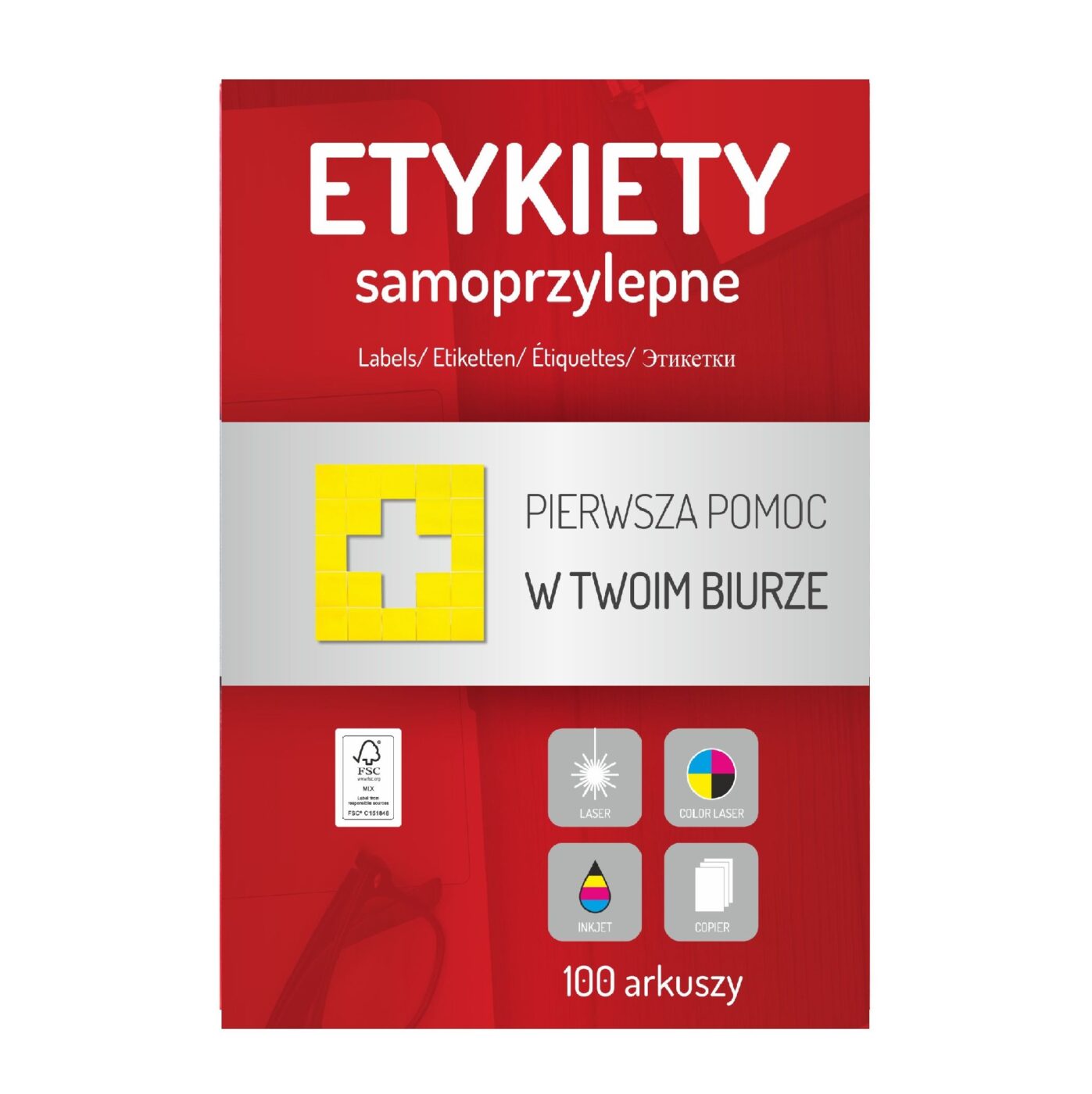

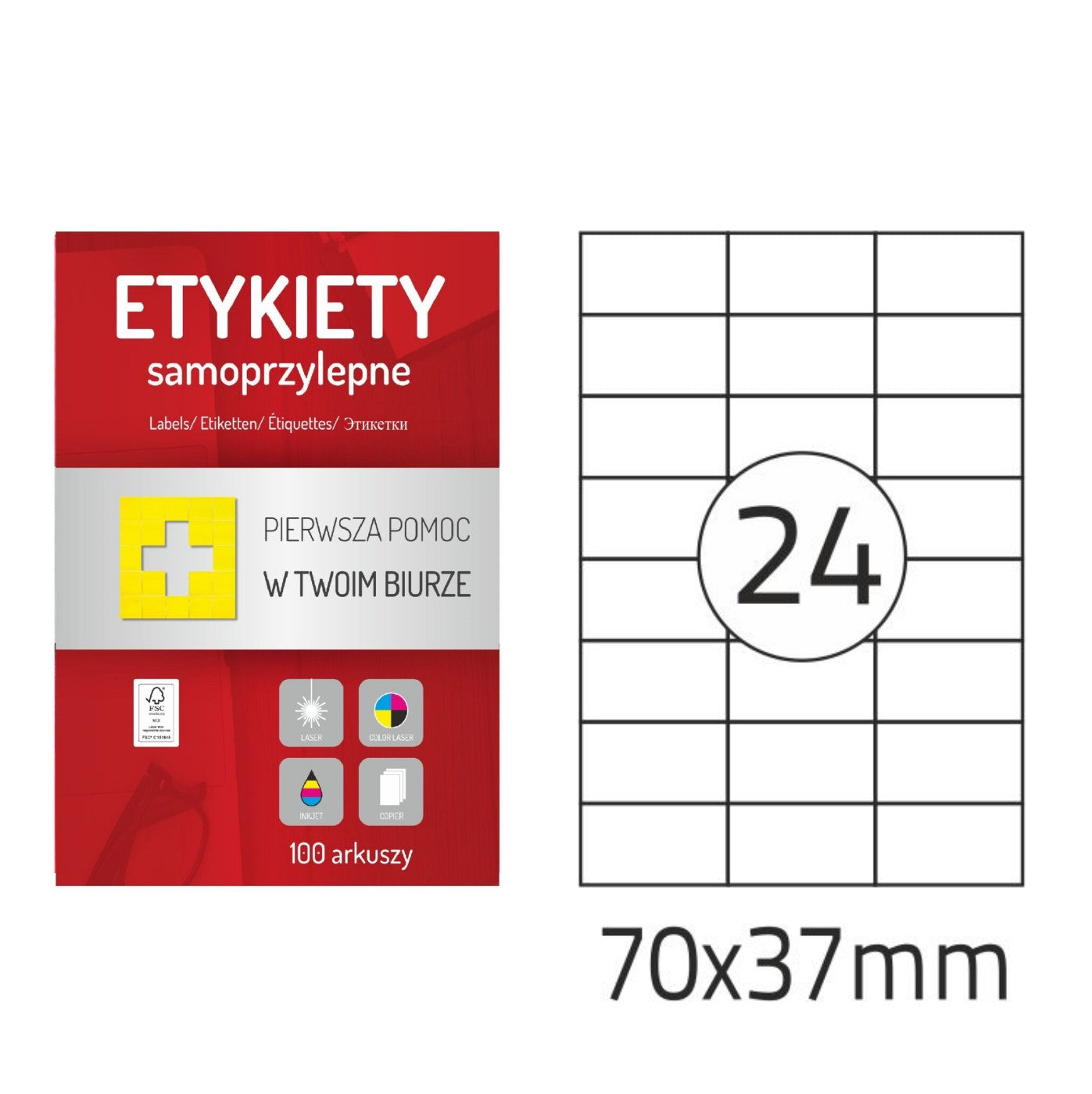
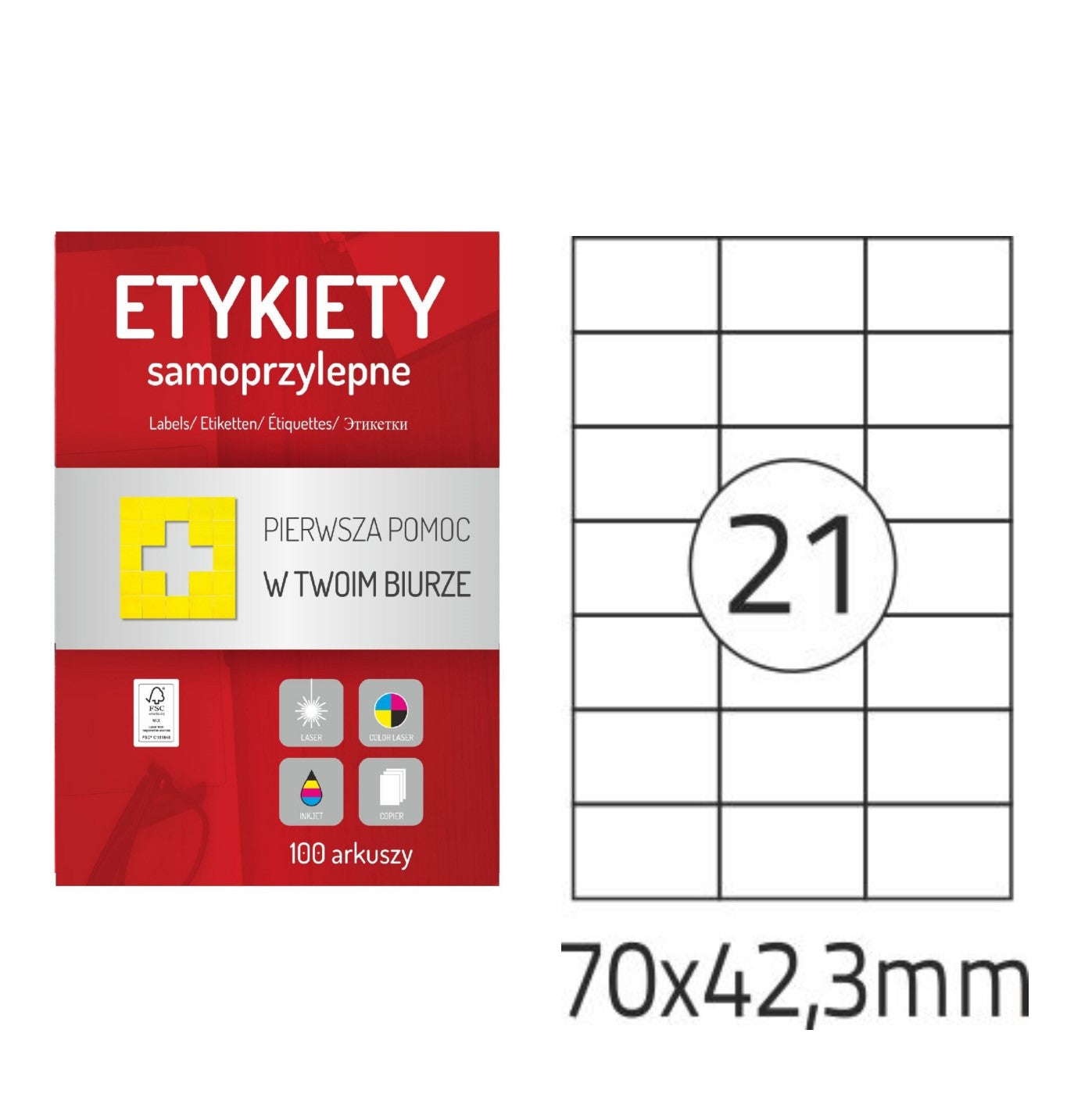
A4 Self-Adhesive Labels 100 pcs. Memo Label (various sizes)
fromnetto17,15 zł -
Brown hot-melt packing tape (various sizes)
fromnetto1,44 zł -
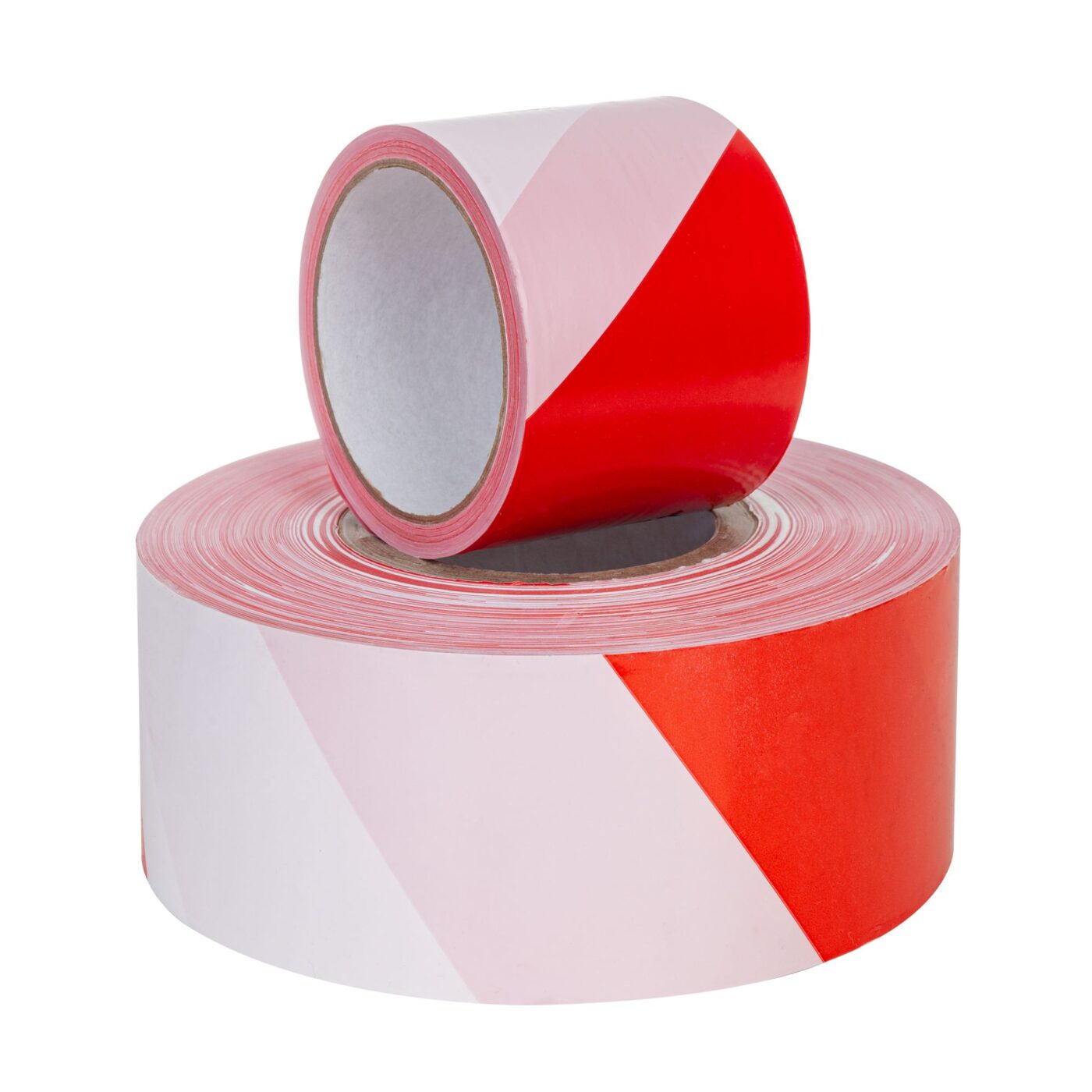
Non-adhesive red and white barrier tape 50 µm 100 mm x 90 m
fromnetto17,56 zł -
Transparent acrylic packing tape 48mm x 91m
fromnetto3,91 zł