How to use painter's tape?
Masking tape for painting walls is a cheap, simple, and effective way to avoid smudges and stains during renovation and construction work, as well as to create various patterns on walls.

Table of contents:
See how to use masking tape to ensure the best results in painting, grouting, or varnishing, and save time in the process. In this article, we advise on how to choose the right tape for the surface and type of paint. With these tips, you'll avoid common mistakes and achieve truly spectacular results.
Types of masking tapes
There are various masking tapes for walls and other surfaces (glass, metal, wood, PVC), which differ in durability, color, application, and adhesive properties. Which masking tape will be best for specific needs?
- White masking tape – standard masking tape for protecting various surfaces from accidental soiling during renovation work, e.g., door frames, window frames, and for cutting colors on walls. It comes in many widths and can be easily separated by hand; it should be removed no later than one day after painting.
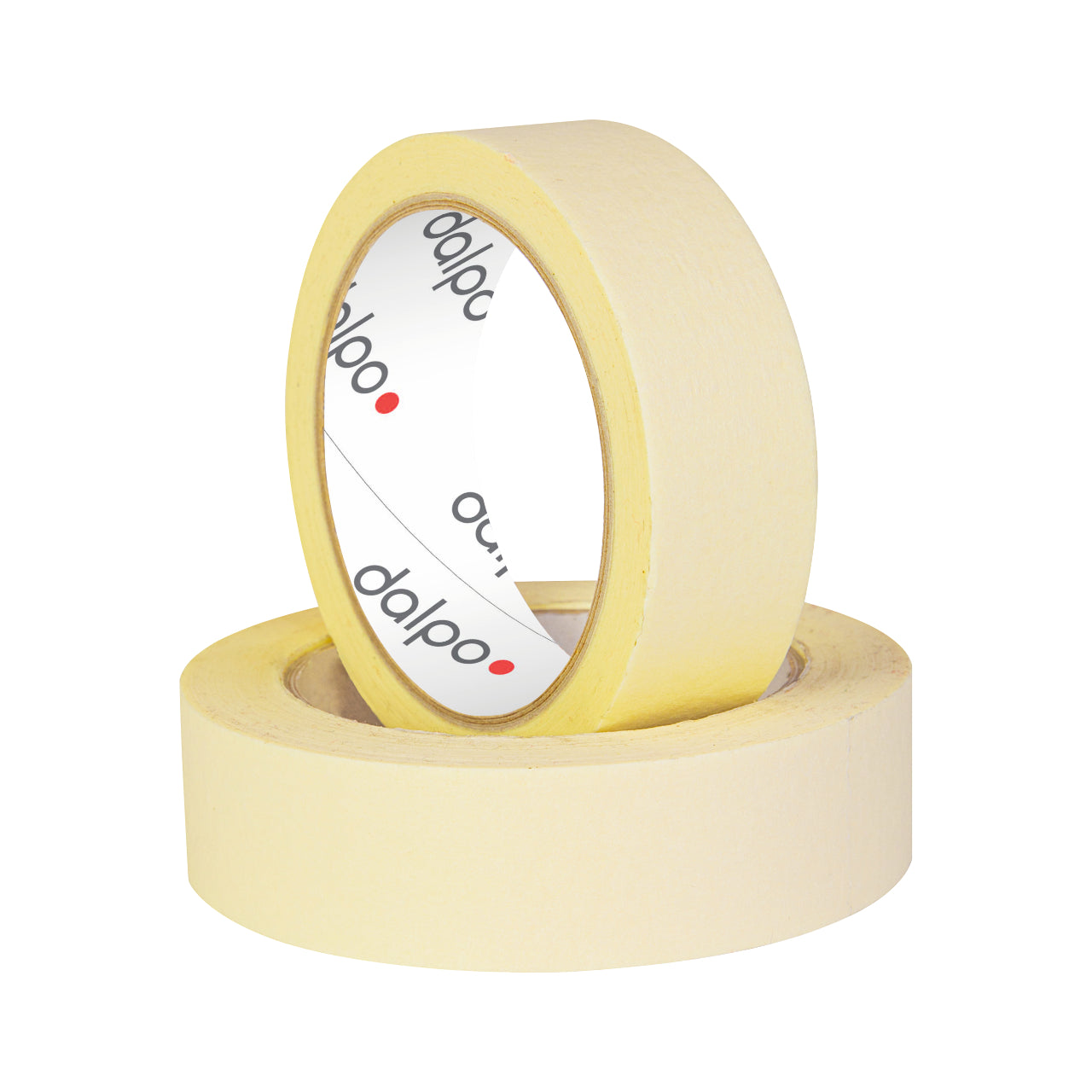
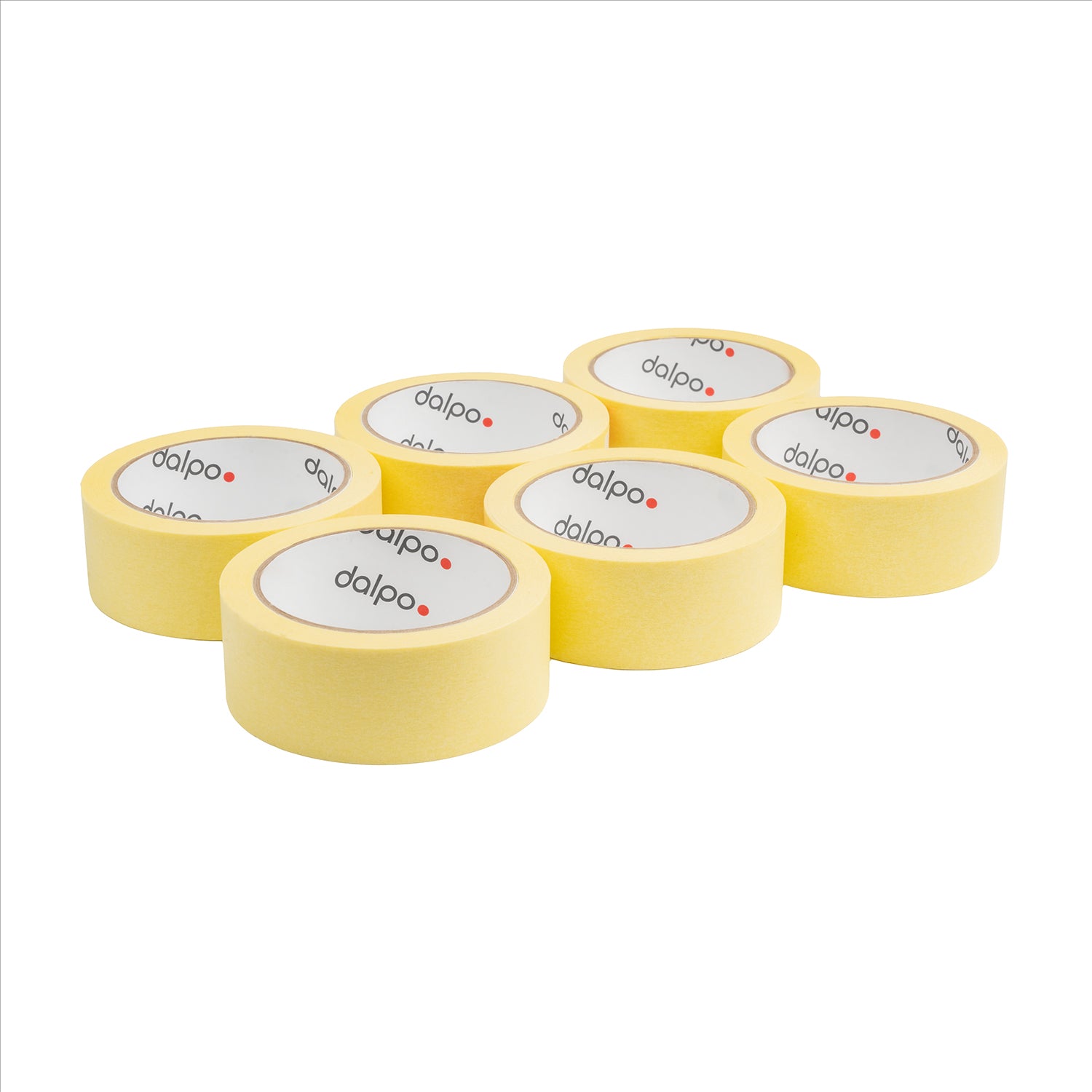
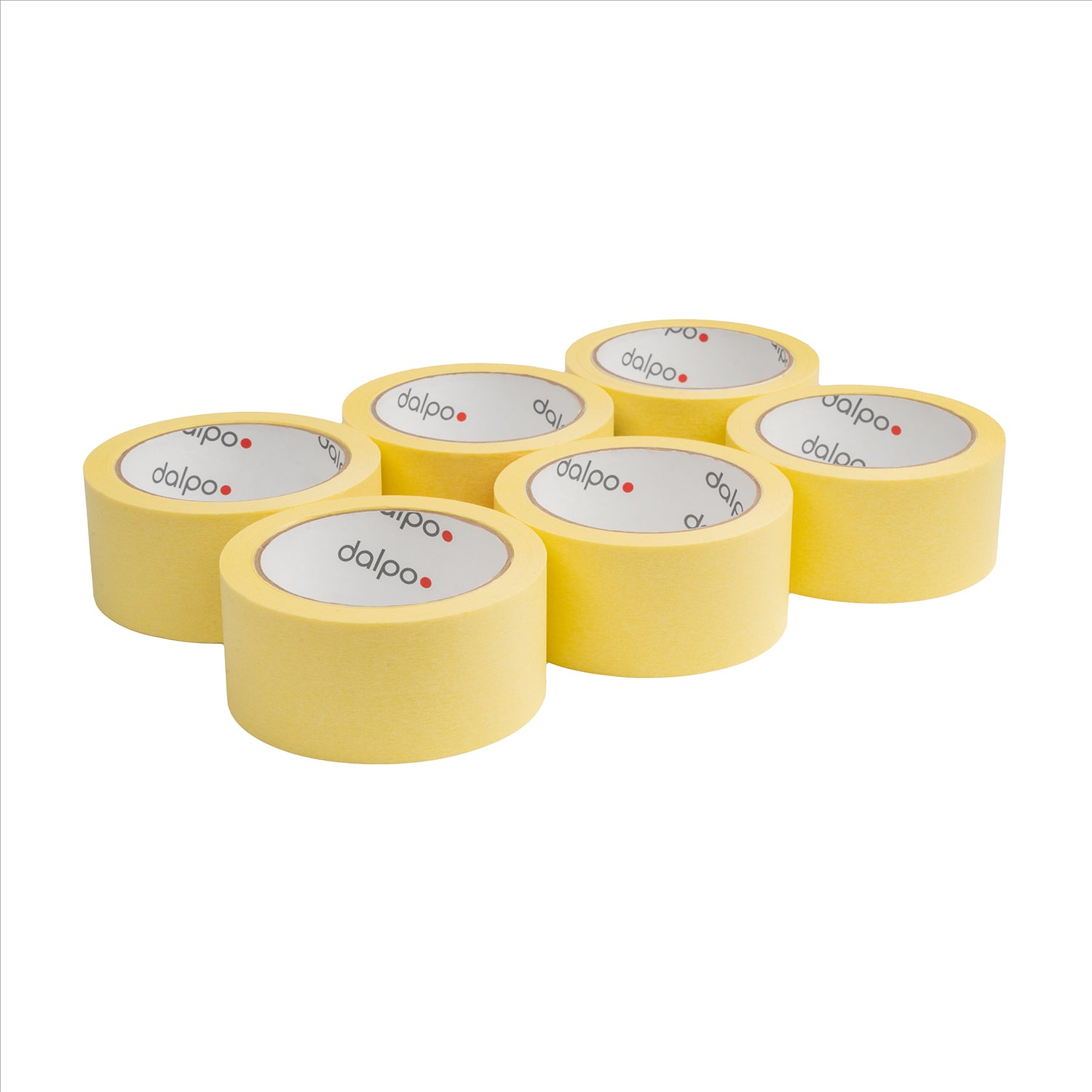
- Yellow masking tape – the most popular and versatile tape for painting walls. Available in various widths and lengths, it is easy to separate and should be removed no later than 1-2 days after painting.
- Blue masking tape – is highly resistant to UV radiation and has stronger adhesive, so it can be removed longer after application (up to 7 days). It is suitable for paints that require longer drying times or multiple coats.
- Black masking tape – in addition to helping protect window frames, door frames, curtain rods, and other elements during renovations, it has an additional use – the ability to cover electrical wires with the option of later removal. This tape has very good adhesion to various types of surfaces. It allows for creating precise color separations on walls, ceilings, and facades, as well as painting curves. It is offered by the tape manufacturer Dalpo.
- Masking tape for precise masking – this is an ultra-thin painting tape made of special Japanese washi paper. It is extremely resistant to weather conditions and high temperatures up to 120℃.
- Masking tape for color separation – helps achieve precise lines and curves in painting. It is durable, resistant to atmospheric factors and UV radiation, and long-lasting; for example, ScotchBlue masking tape can be applied for up to 21 days, and no residue should remain after removal.
- Masking tape for delicate surfaces – with a special adhesive for sensitive and problematic surfaces where you don't want to leave marks after removing the tape.
- Outdoor painting tape – distinguished by strong adhesive properties and weather resistance, making it suitable for outdoor use.

-
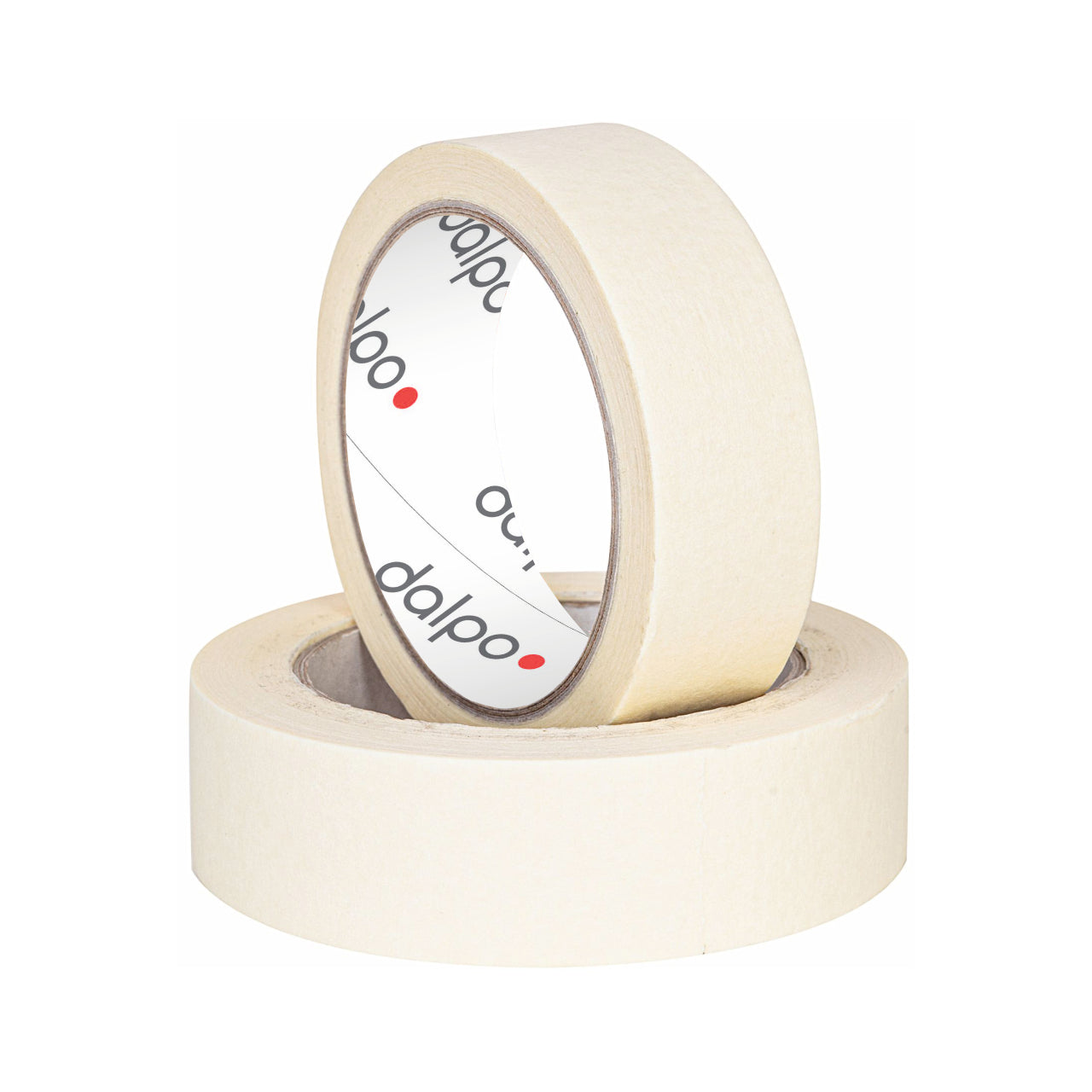
White masking tape 30 mm x 25 m
fromnetto1,48 zł -
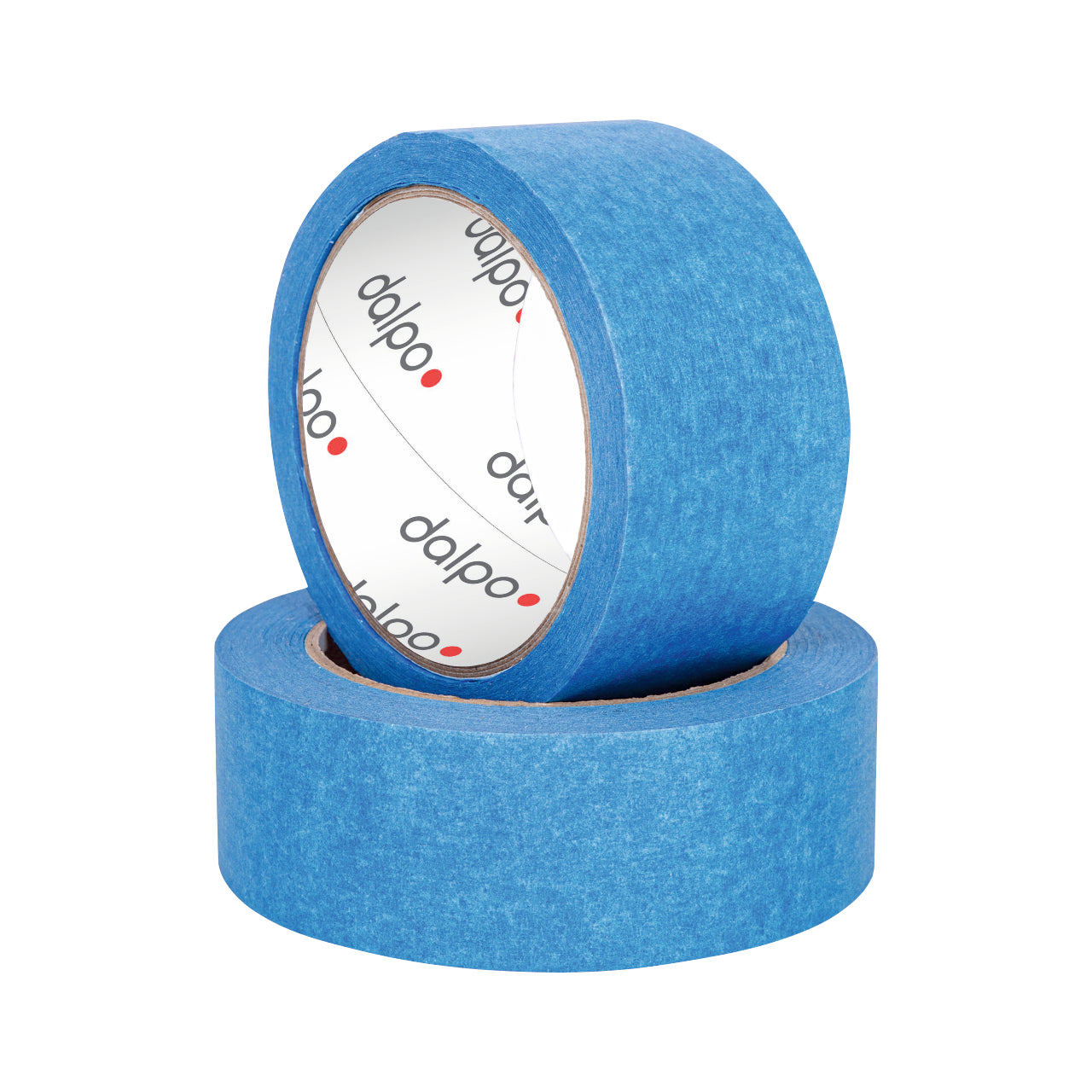
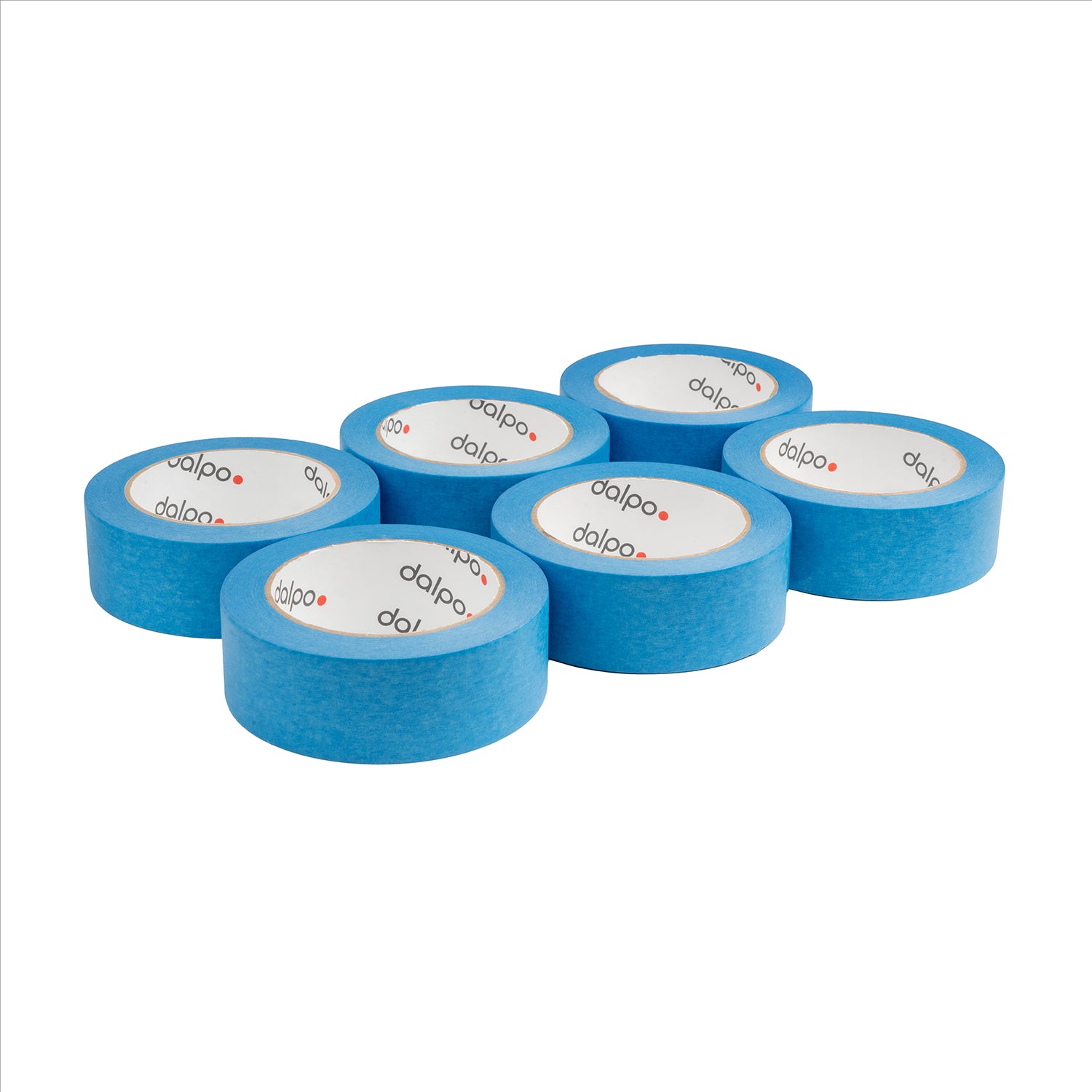
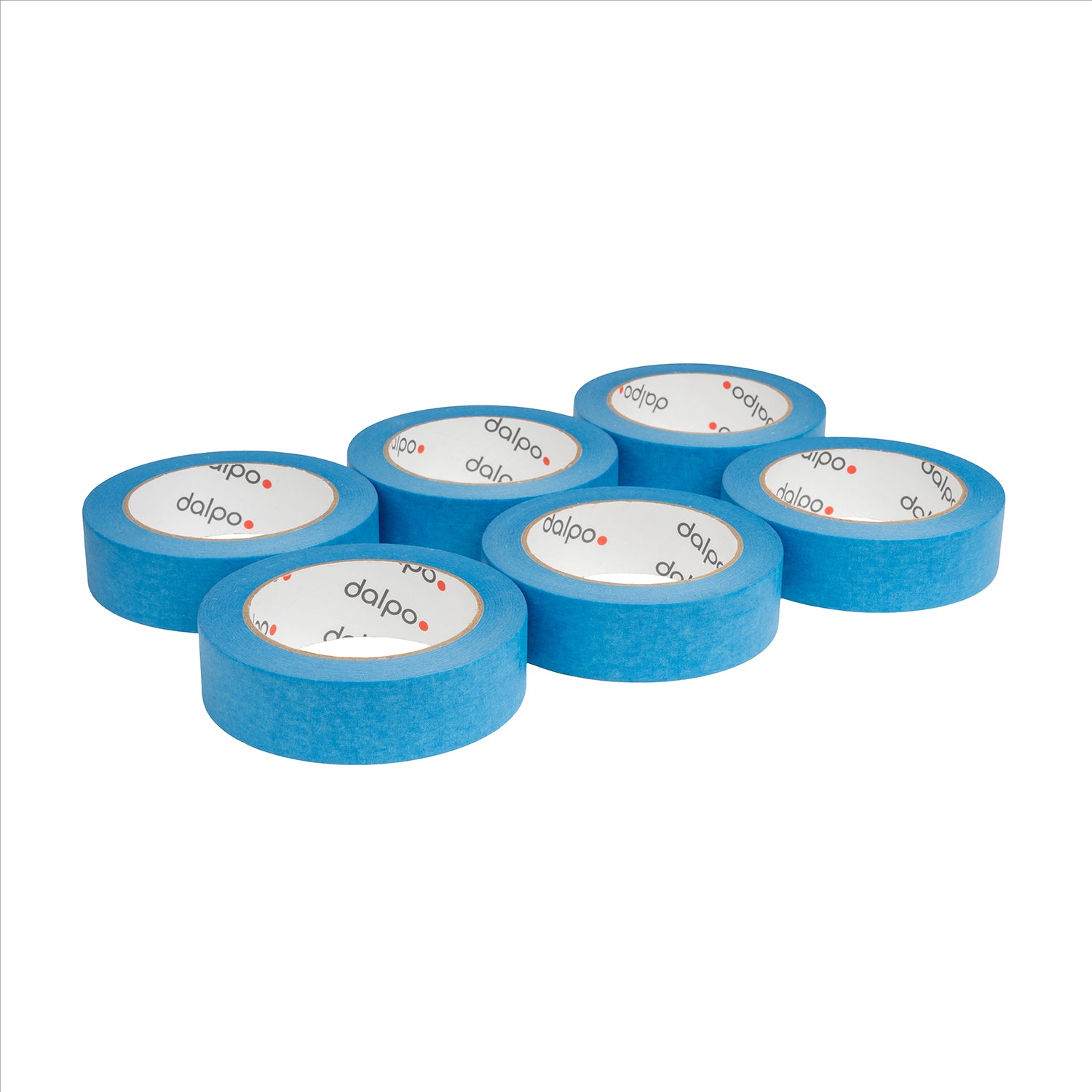
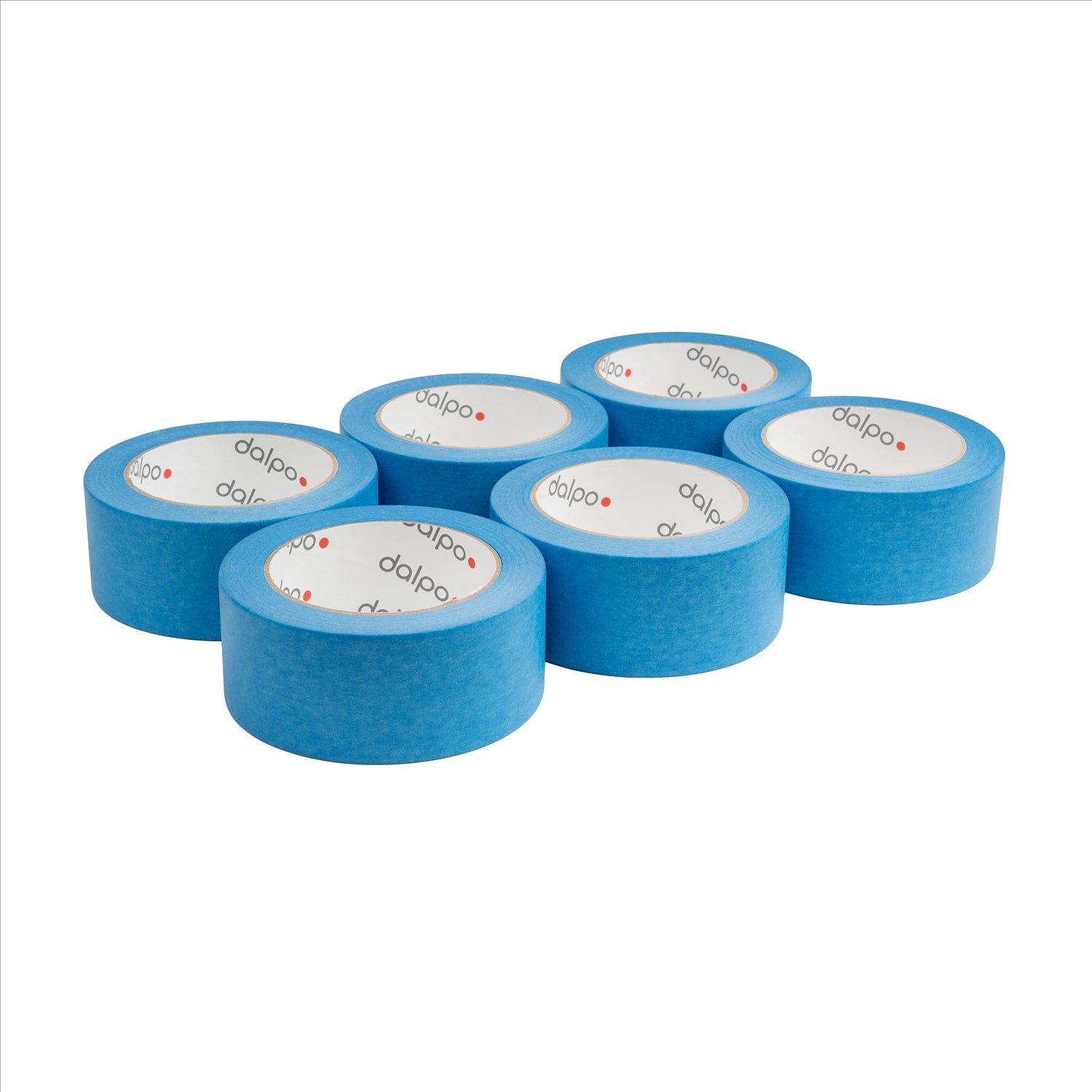
Blue painter's tape (various sizes)
fromnetto4,40 zł