When and how to remove painter's tape?

Read our guide to learn when it's best to remove painter's tape and how to do it without ruining your work! When and how to remove painter's tape?
When to remove painter's tape?
Painter's tapes make it easy to create clean lines between colors on walls or ceilings during painting. They also protect furniture, baseboards, and outlets from paint. No painting job can be done without them. The problem arises when the tape needs to be removed.
How and when to remove painter's tape?
After finishing painting, the question arises: when to remove painter's tape? Should it be done immediately, "wet," or should one wait? Should it be pulled off in one go, or carefully, like adhesive tape? How do painter's tapes behave in this case?
If you used standard paper tape, then remove it while wet, when the paint has not yet dried completely, but is not entirely wet. Remember to do this with a smooth motion – do not yank the tape (it might break), as paint droplets could stain the protected area. If there is a risk of damaging the fresh coating, leave the tape until the paint is completely dry.
The above advice applies to standard paints. But when should painter's tape be removed when using latex paints? Leave the wall section next to the tape for last. Paint the rest of the wall as described in the paint instructions. Then, paint the section near the wall twice at the end, during the second coat of the entire wall surface. In such a case, the tape is removed in the same way – with a firm, smooth motion once the paint has slightly dried.
Removing it too late will cause the tape to tear into pieces, and may also lead to adhesive separating from the paper.
-
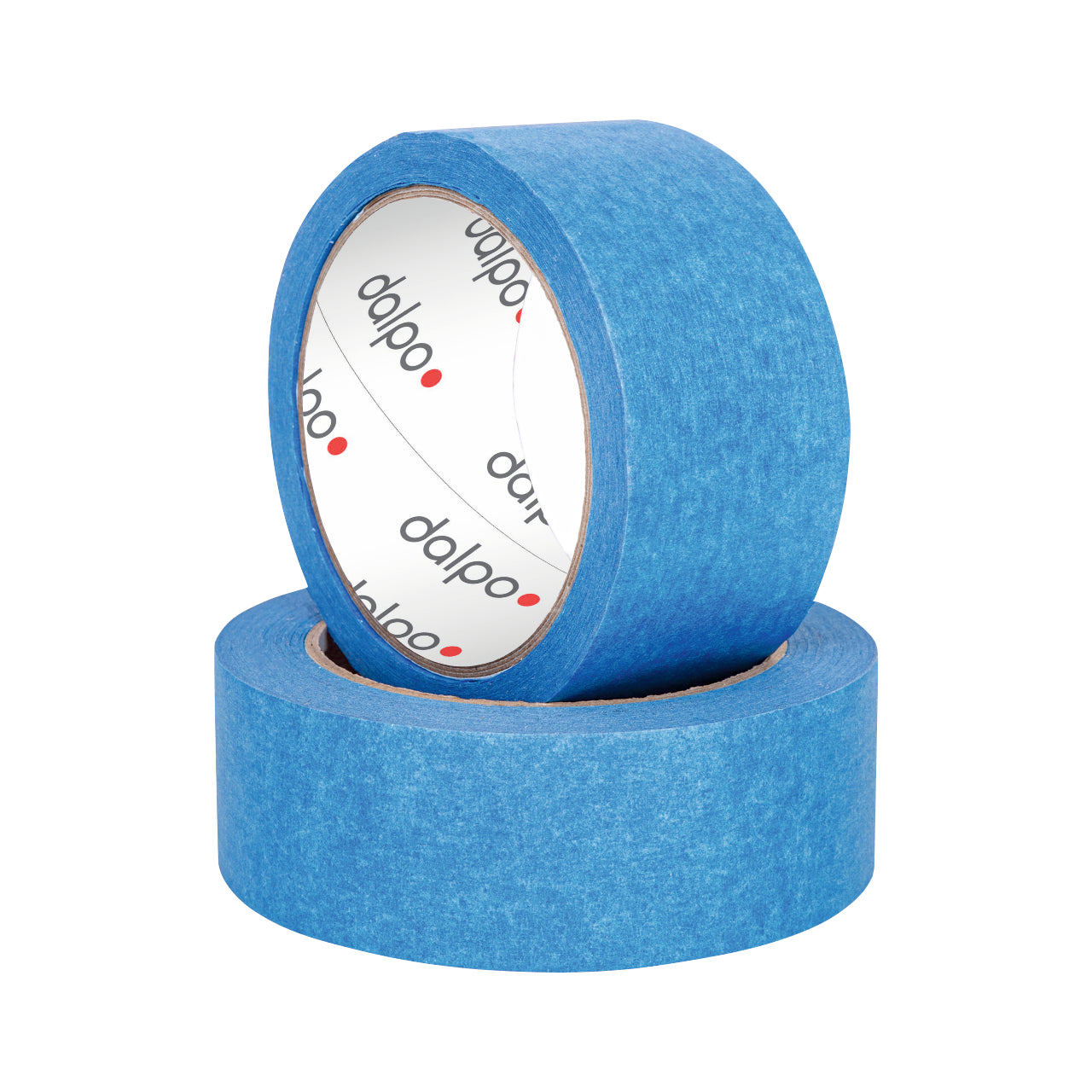
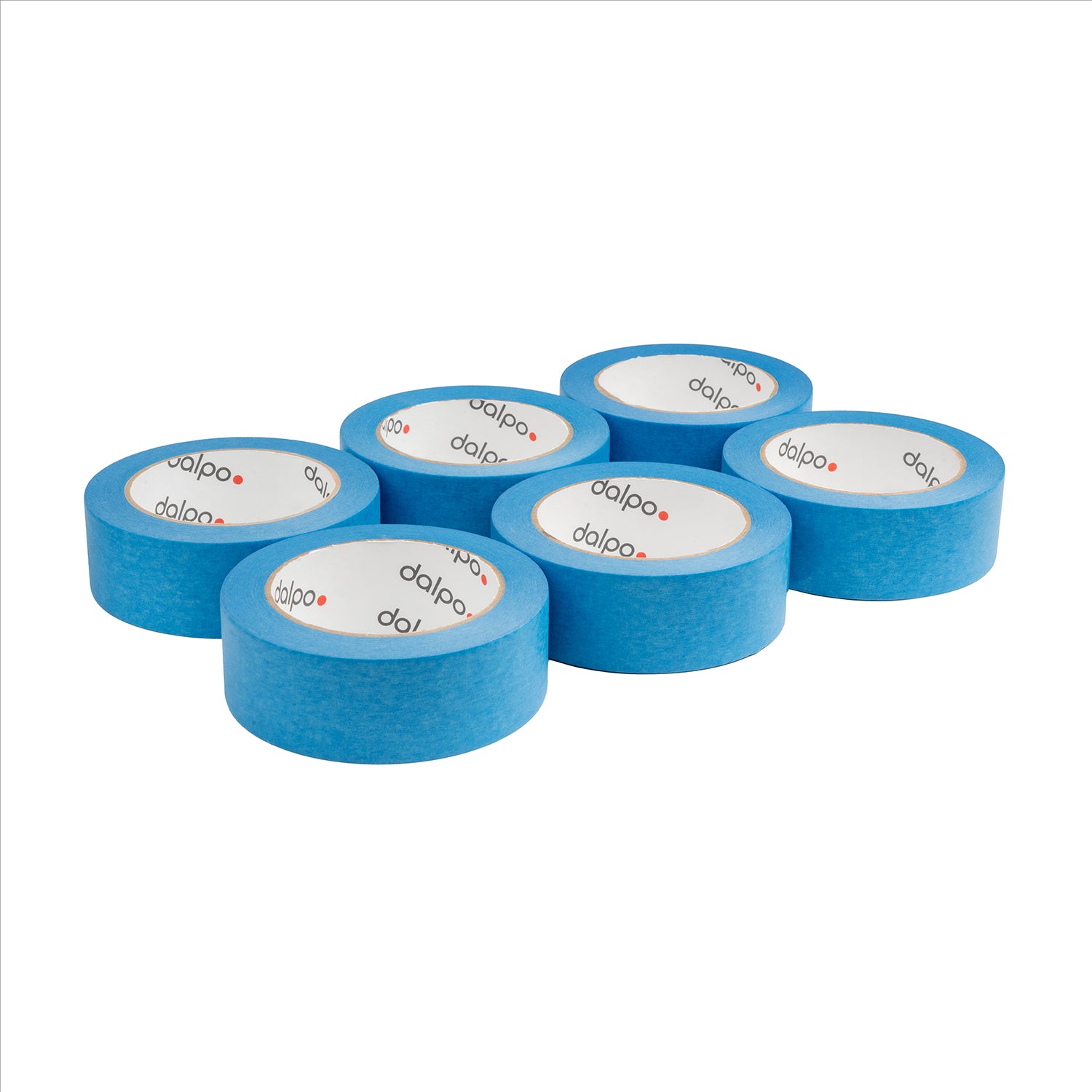
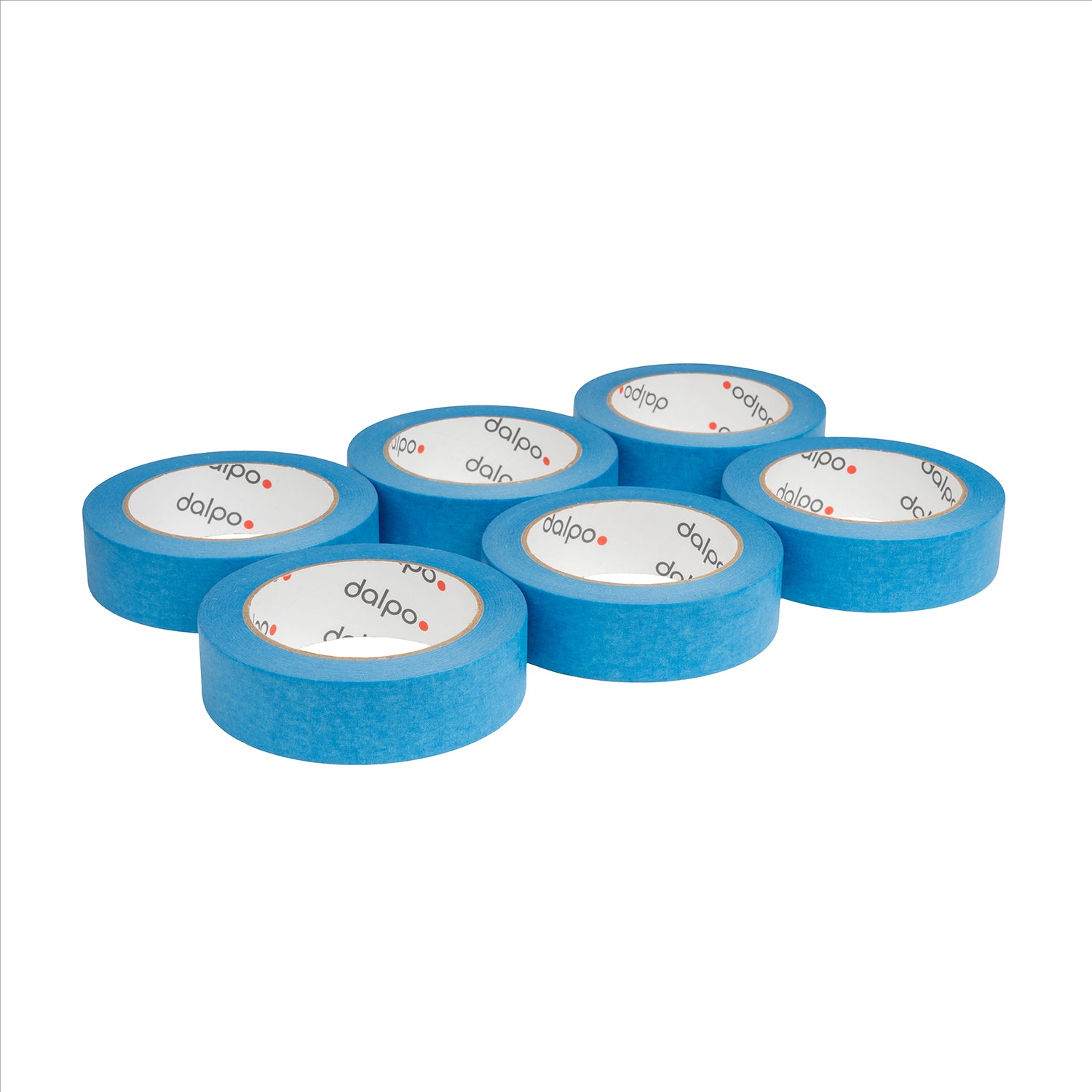
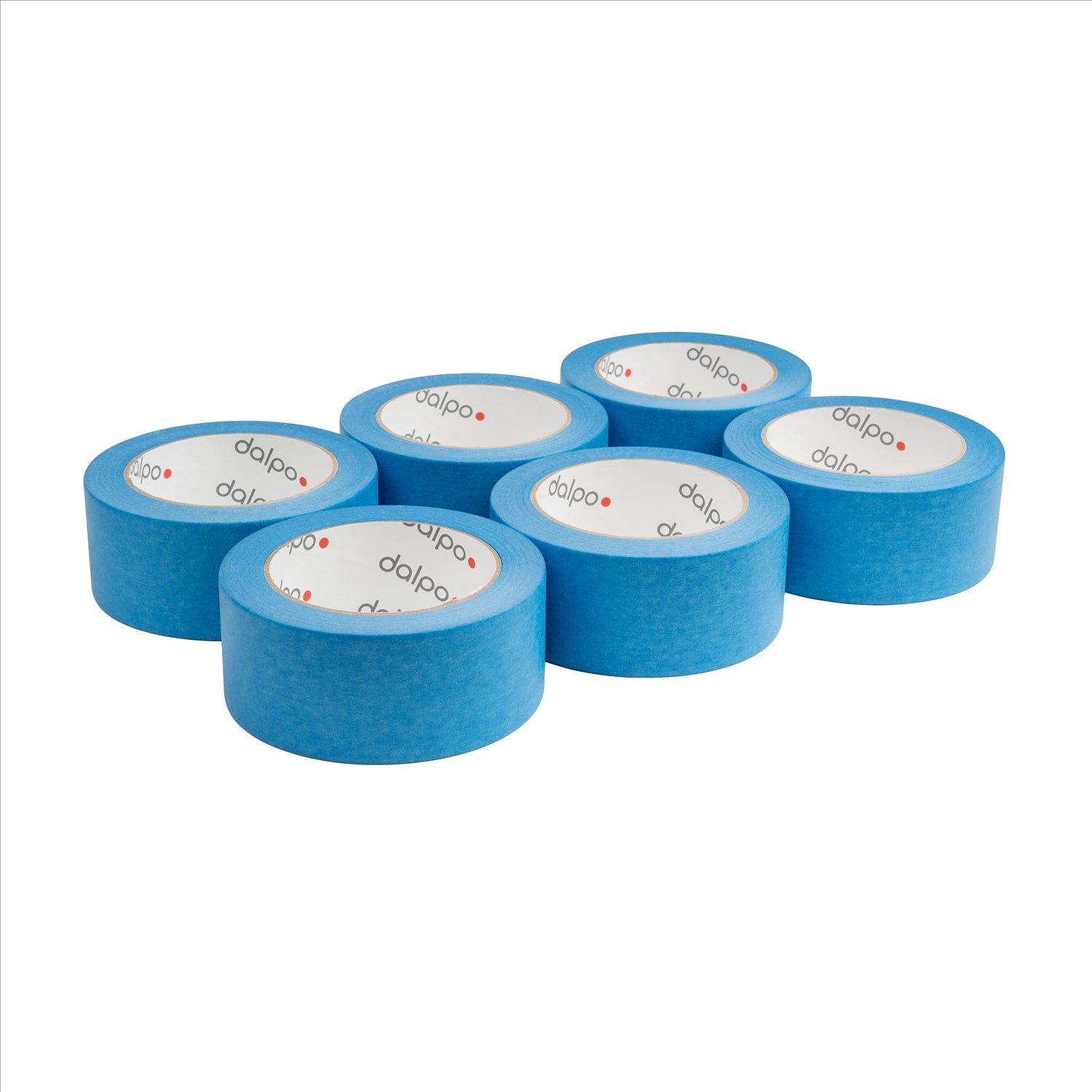
Blue painter's tape (various sizes)
fromnetto4,40 zł -
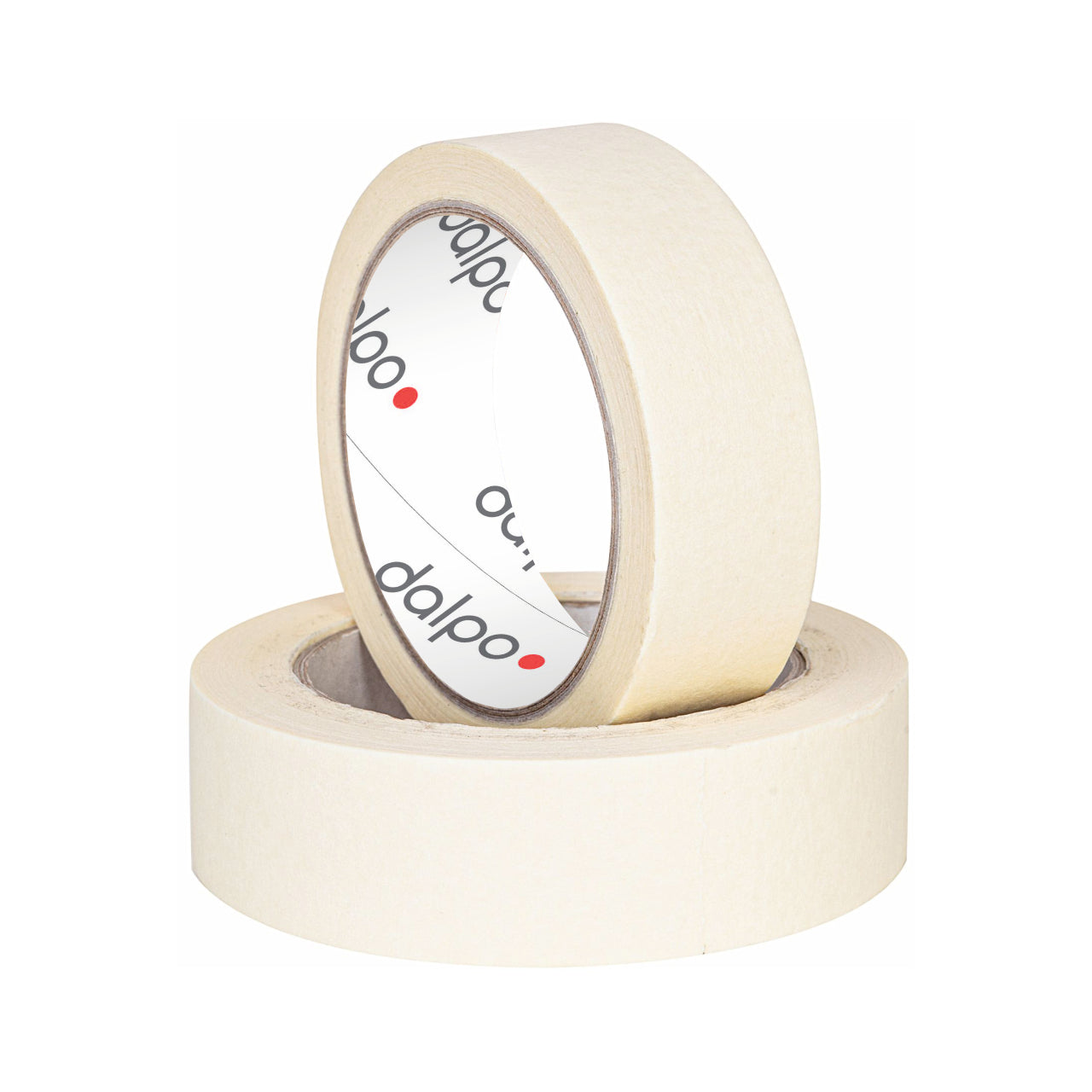
White masking tape 30 mm x 25 m
fromnetto1,48 zł