The label production process for bottles, jars, and more
The production of labels for bottles and jars consists of several stages. Each of them requires precision and the use of appropriate technologies that guarantee the high quality of the final product.
Stage 1: Label design
The first step is to develop the graphic design. At this stage, it is very important to consider the specific requirements for the product and the characteristics of the packaging on which the label is to be placed. The design must be aesthetic, legible, and functional. It is also important to adapt the format to the printing technology.
Stage 2: Material selection
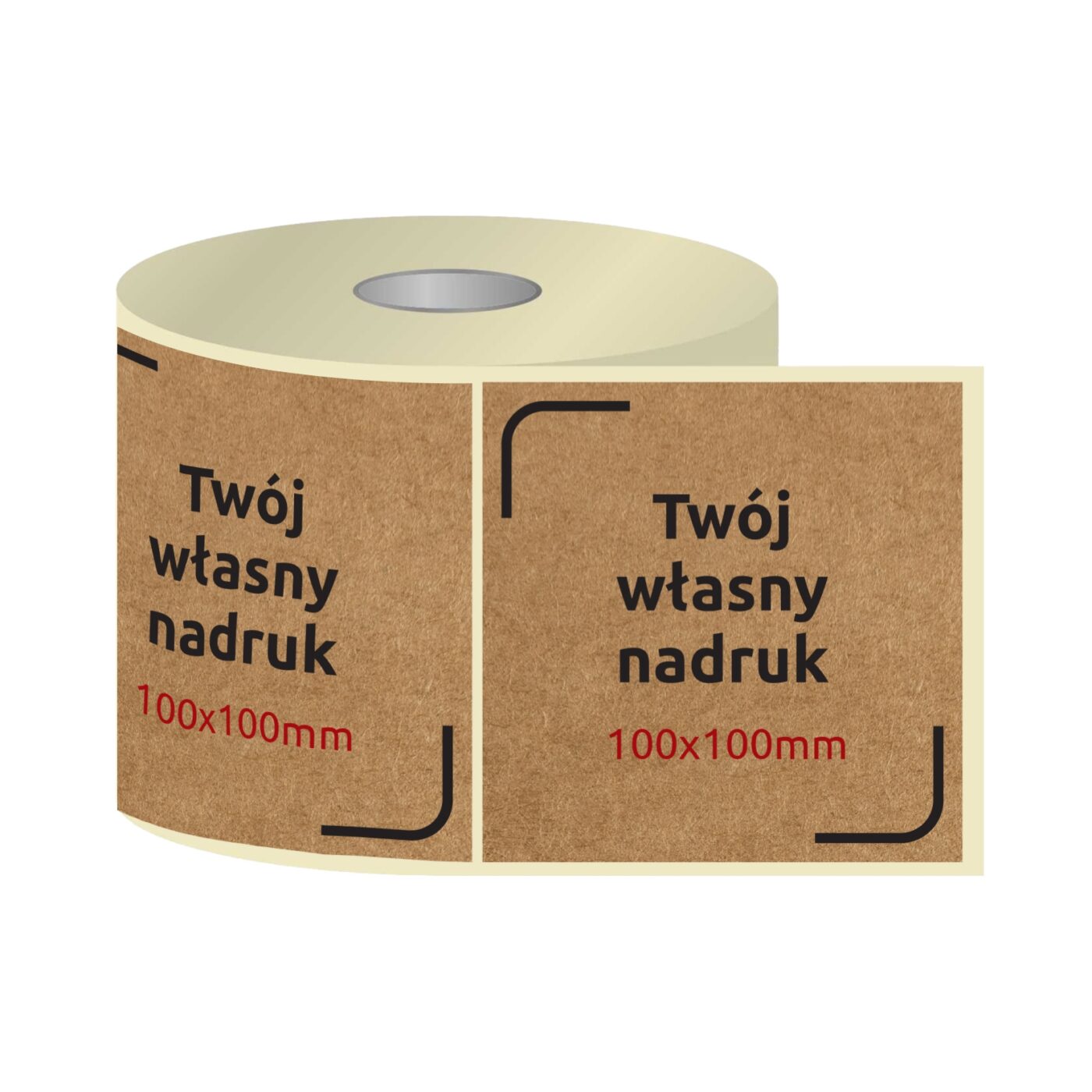
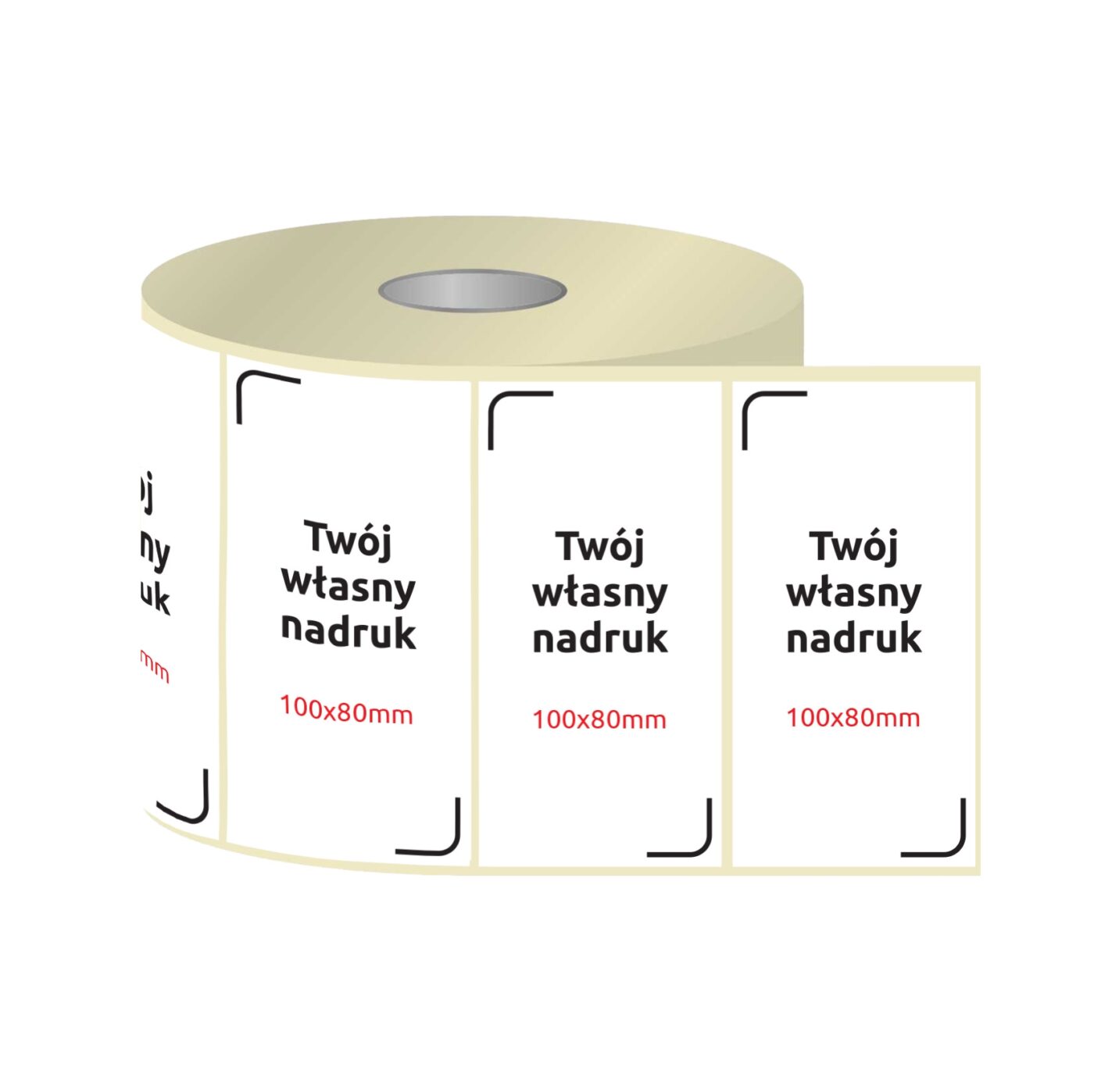
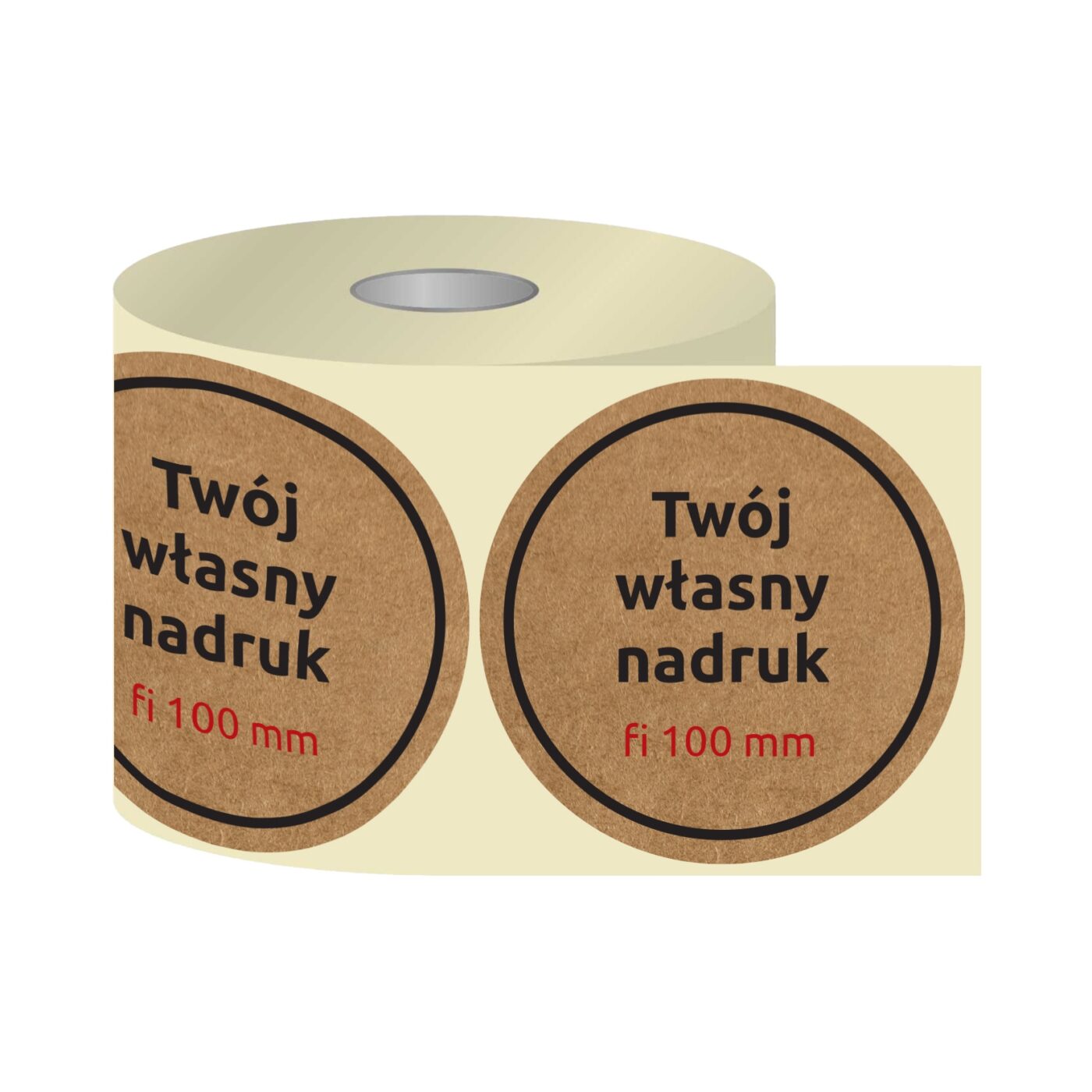
In addition to the graphic design, the selection of the right material is also an extremely important element in the label production process. Depending on the intended use of the label and the type of packaging on which it is to be placed, it is worth considering the thermal transfer and thermal labels available in our offerround,squareorrectangular.
In addition to the above, one should not forget aboutthermal transfer labels with added beet fibers. This innovative and environmentally friendly solution is equal to traditional ones in terms of both quality and durability. It can be used for labeling various types of products, including natural cosmetics and other craft products.
Stage 3: Printing
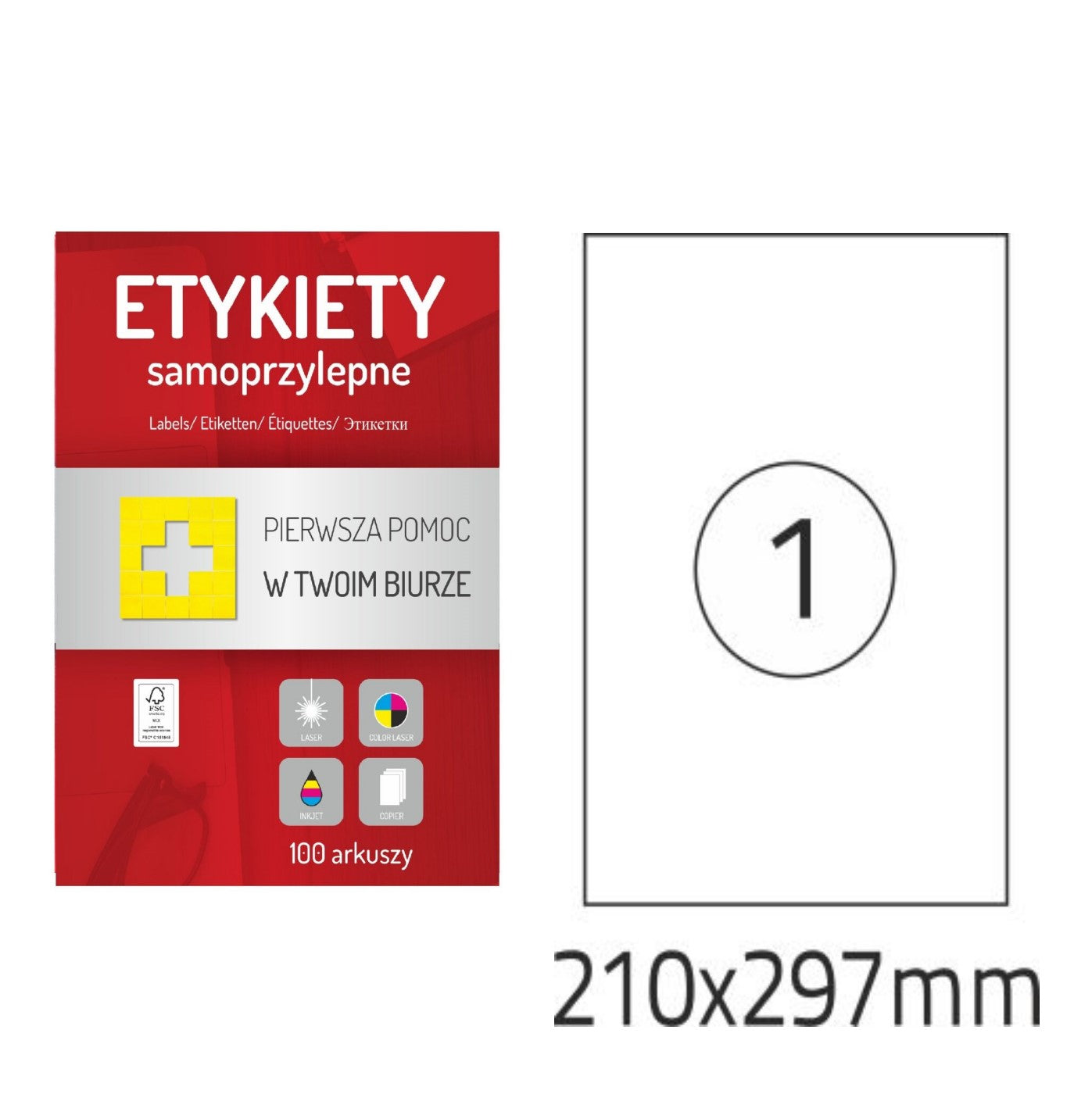
For the production ofprinted labels, we use various printing techniques, which we enhance with cold stamping, varnishing, and laminating. In the case of self-adhesive labels on a roll available on our website, we print using a thermal printer. We also offerpaper thermal transfer labelsfor durable prints via thermal transfer ribbon.
Stage 4: Label finishing
To give labels a unique look, we use various finishing methods, such as:
- laminating (matte, glossy);
- cold stamping;
- varnishing, which emphasizes selected elements of the design.
It is also worth mentioning that ourthermal labelsare compatible with most printers and allow for self-printing of content.
Application of labels for bottles and jars
Labels for bottles and jars are used in many industries. Depending on the specifics of the product, different types of labels are selected to best fulfill their functions.
Food industry
Labels for jars of preserves, honey, or jams are often made of paper with a classic finish, which gives the product a natural and artisanal character. In turn, labels for bottles of beverages, such as juices or wines, are often enhanced to stand out on the shelf.
Cosmetics industry
In the cosmetics industry, there is great popularity forfilm labels,which are resistant to moisture and grease. They can be made of various types of film, such as polypropylene. The material used for their production makes them resistant to water, oils, and various other chemicals. Thanks to this, labels on bottles of shampoos or creams maintain an aesthetic appearance even during use.
Pharmaceutical and chemical industries
In these industries, the readability and durability of labels are paramount. Labels on bottles and jars of medicines or cleaning agents must be resistant to chemicals and contain legible information.
In the case of both bottles and jars, it is also worth ensuring their proper marking during shipping. In this context,labels with pre-printed messages on a roll, such as "Handle with care, glass" or "Do not throw", can be extremely helpful.
Create your label and stand out in the market!
The production of labels for bottles and jars is aprocess requiring precision and the use of modern technologies.Thanks to a wide selection of materials and printing methods, it is possible to adapt labels to any type of product. Regardless of whether we need aesthetic labels for jars of honey or durable film labels for cosmetic bottles – modern solutions allow for the creation of products that meet the highest standards. It is worth investing in labels that will not only attract attention but also highlight the quality of the offered product.