Thermal vs. Thermal Transfer Labels – what's the difference and which to choose?

In this guide, we will explain exactly how both types of labels work, their advantages and limitations, and advise you when it's worthwhile to opt for a quick and economical thermal label, and when it's better to invest in a durable and resistant thermal transfer label. This will make it easier for you to make a decision that will truly simplify your daily work and help you avoid ill-advised purchases.
Thermal Labels – A Quick and Convenient Solution
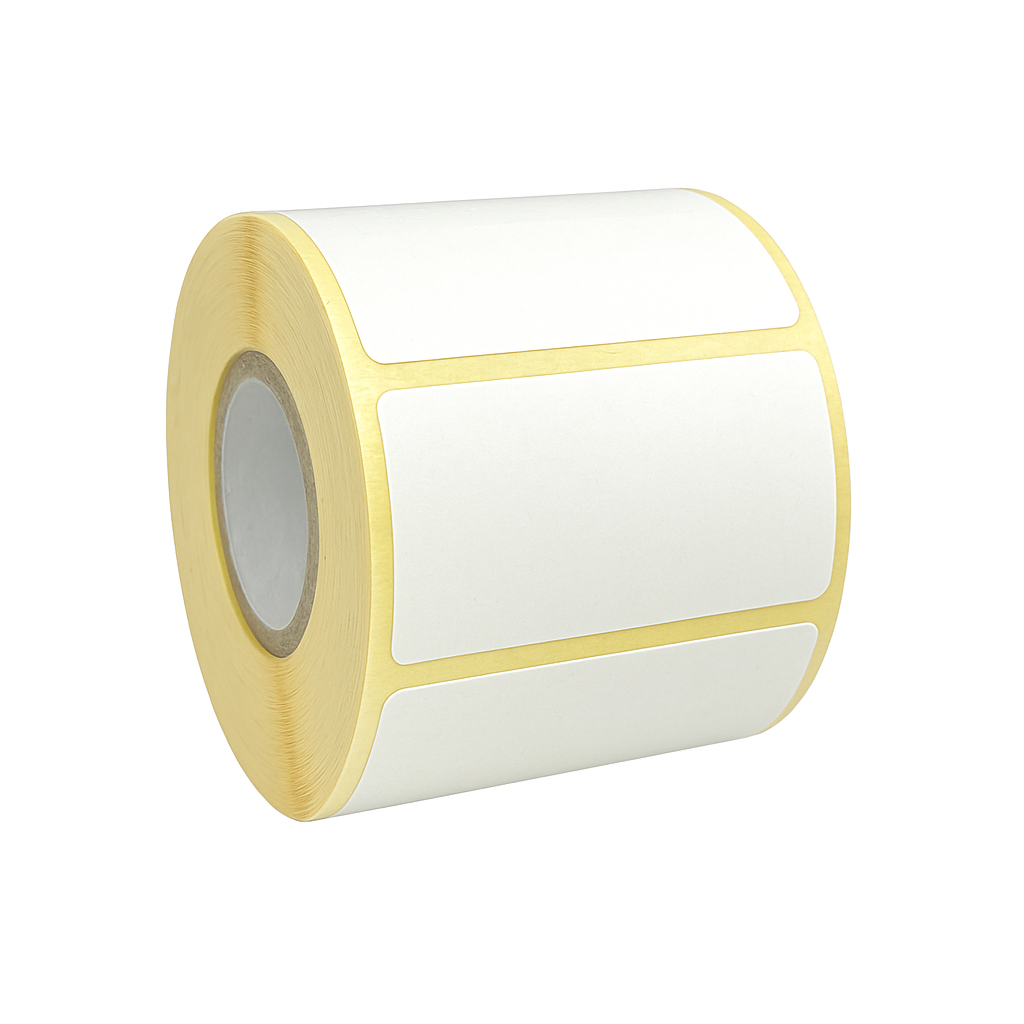
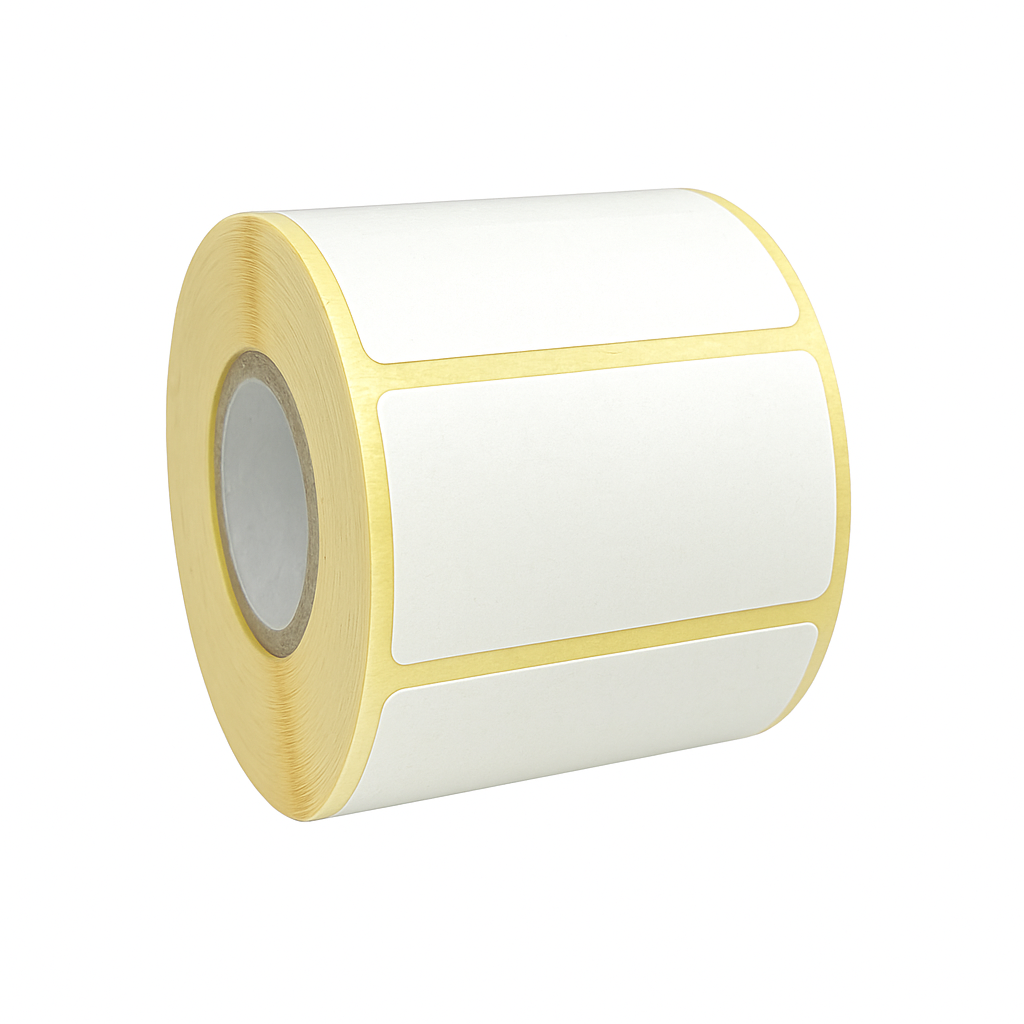
Thermal labels are covered with a special heat-sensitive layer. When the printer heats selected areas, a clear imprint is created – without ink, toner, or ribbon. This makes printing simple, fast, and relatively inexpensive for everyday use, which is why it is often chosen in stores, warehouses, or courier companies.
They are most commonly used for:
- marking product prices and expiration dates,
- printing receipts,
- labeling packages
- organizing warehouse work.
- They work perfectly where the label does not need to last for a long time.
However, it is worth remembering that thermal printing is sensitive to light, moisture, and high temperatures, so it may fade over time. This is not the best solution if you need the label to remain legible for many months.
Check out all our products in this category: Thermal Labels
Thermal Transfer Labels – Durability and Professional Appearance
Thermal transfer labels are printed a little differently than thermal ones – they use a special ink ribbon, also known as a foil. The printer head heats the ribbon, and the ink transfers to the label, creating an imprint that does not easily rub off and withstands moisture, light, or chemicals well.
This solution works where the label needs to withstand really tough conditions:
- in the warehouse,
- in transport
- in the food industry.
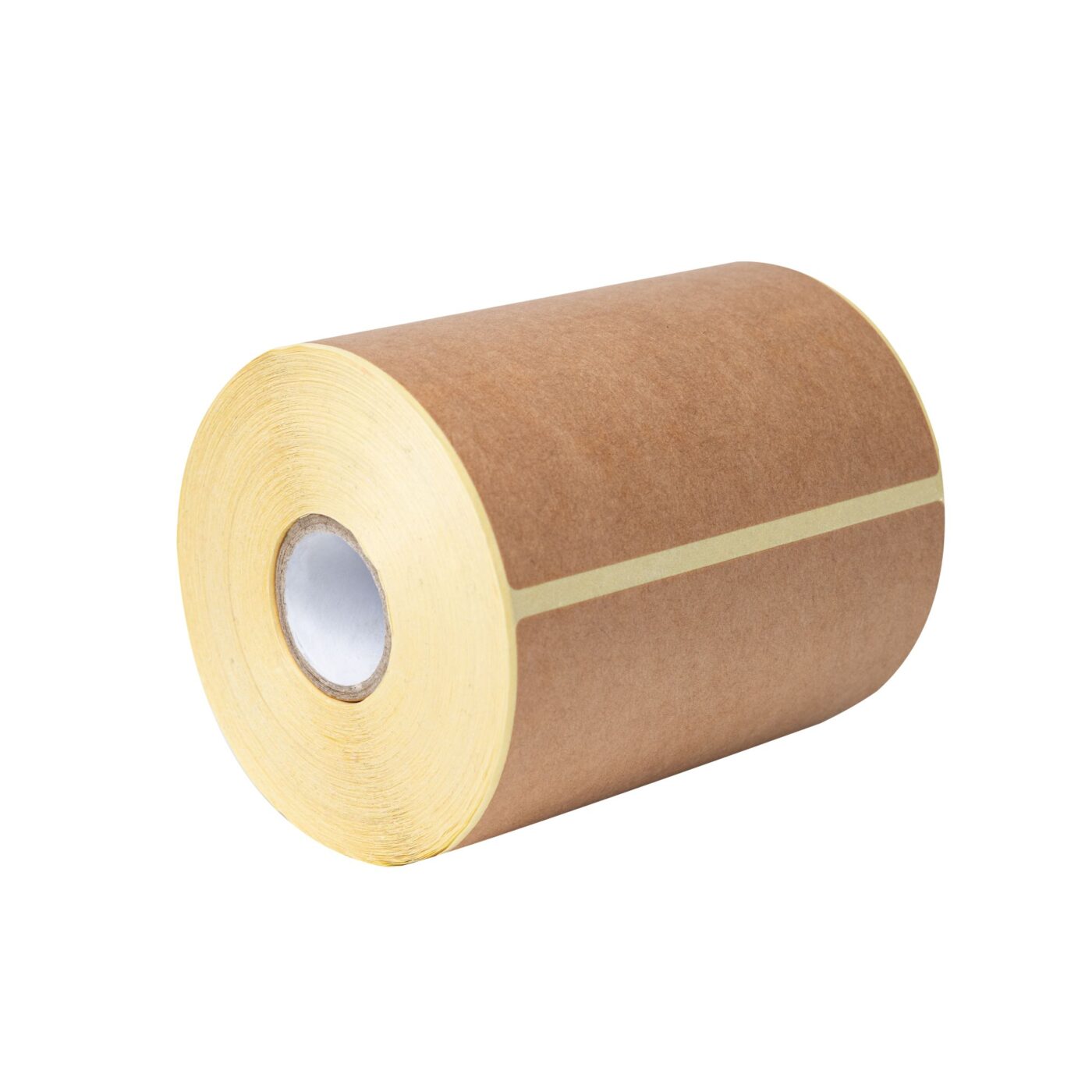
Additionally, our offer includes ecological variants – kraft paper labels and ecological labels with added beetroot fiber. These types of labels are excellent for labeling natural, organic, and artisanal products, in industries such as natural cosmetics, healthy food, or handicrafts. This allows for maintaining a professional packaging appearance while caring for the environment.
The cost of the entire process is slightly higher than for thermal labels, but in many companies, this investment truly pays off because the print remains legible for a long time. In this case, there is no risk of blurring or losing important information during storage or transport.
Check out all our products in this category: Thermal Transfer Labels
Thermal vs. Thermal Transfer – Key Differences
The main difference between these two types of labels is the method by which the print is created. With thermal labels, the printer's heat reacts with the paper's thermosensitive layer to create an image – simply, quickly, and without additional materials. Thermal transfer labels work a bit differently: ink is transferred from an ink ribbon to the label, making the print much more durable and resistant to external factors.
In practice, this means that thermal labels are perfect for short-term markings, such as courier packages, receipts, or price labels. They are quick to use and economical. Thermal transfer labels, on the other hand, are worth choosing when you need durability, for example, in a warehouse, for marking equipment, goods for cold storage, or products that will be stored for a long time and in harsh conditions.
If you're looking for labels for bottles and jars, we wrote more about choosing them here: Labels for bottles and jars – what are the possibilities for their production?
How to choose the right labels?
The choice of self-adhesive labels largely depends on the conditions in which they will be used, and on how long the print needs to remain legible.
- Short-term applications – For labels for stores, warehouses, or wholesalers that need to function for a few days or weeks, thermal labels are the best solution. They are characterized by fast printing and low operating costs, making them suitable for everyday, standard applications.
- Long-term applications – When a label needs to last longer, withstand transport, tougher environmental conditions, or cold storage, it's worth choosing thermal transfer labels. Thanks to the use of an ink ribbon, the print remains clear and durable, even in demanding conditions.
Also check out our guide: What is a logistics label and what information should it contain?
Comparison of thermal and thermal transfer labels
|
Feature |
Thermal labels |
Thermal transfer labels |
|
Printing technology |
Heat-sensitive layer reacting to heat, printing without ink or ribbons |
Printing using an ink ribbon, ink transfer to the label under heat |
|
Print durability |
Low – fades under light, heat, and moisture |
High – print resistant to external and mechanical factors |
|
Cost |
Low, inexpensive operation |
Higher, requires purchase of an ink ribbon |
|
Application |
Short-term: price labels, receipts, warehouse markings |
Long-term: transport, production, industrial marking, labels requiring durability |
|
Resistance |
Limited, easily damaged |
High – resistance to moisture, chemicals, and abrasion |
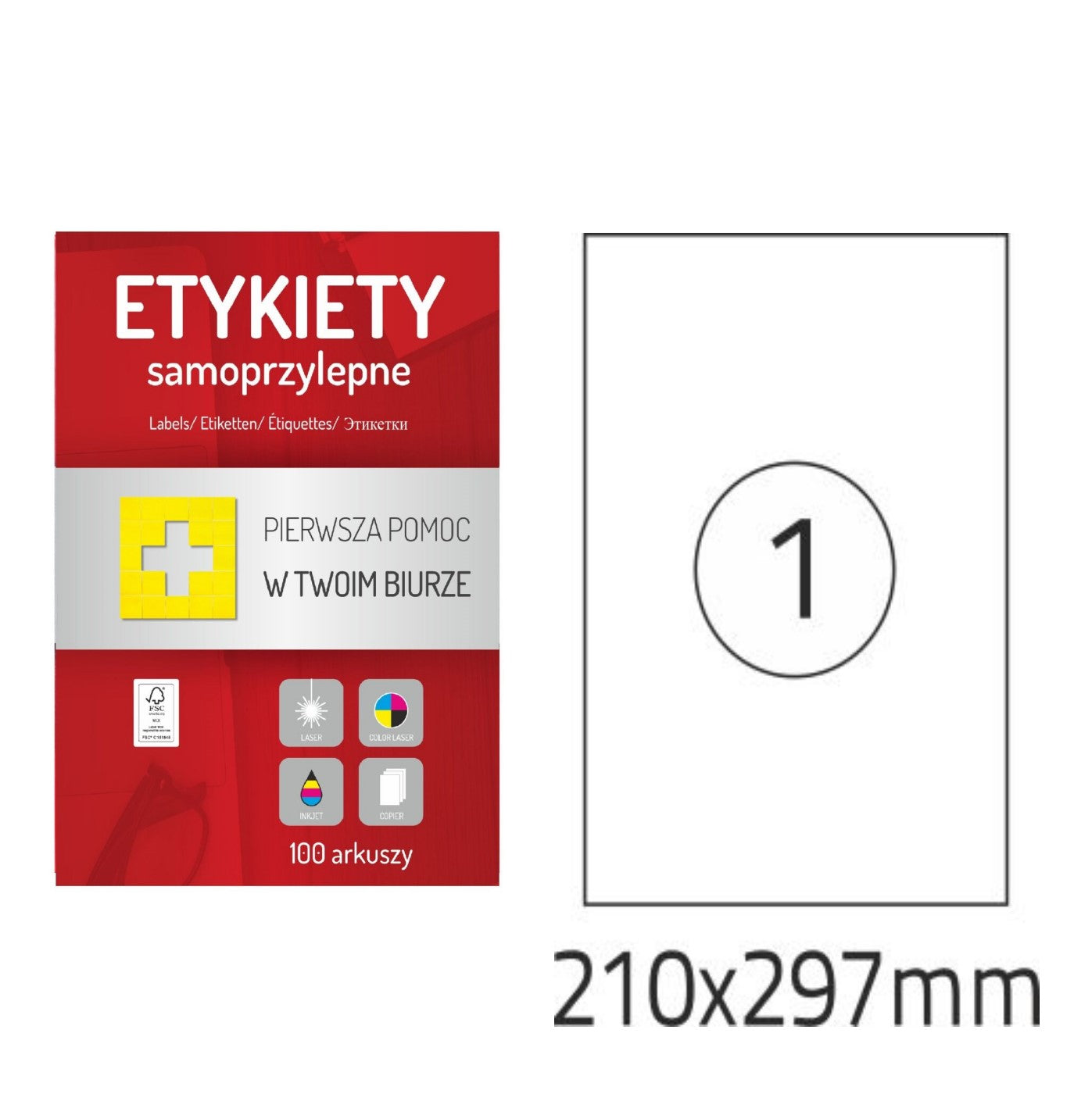
If you are looking for labels for more domestic use or a much smaller scale, our labels in sheets may be useful. We offer A4 self-adhesive labels and A5 labels. You can read more about these labels and their applications here: Sheet Labels: Universal Solutions in Product Marking and Identification