How to protect the floor during renovation?

Dried paint is difficult to remove, and dents in parquet can permanently damage a wooden floor. Are you wondering how to effectively protect your floor during renovation? In this article, we advise you on what protection to choose and what not to forget when planning renovation work.
Preparing for renovation
In the fervor of renovation plans, it is worth carefully considering how to secure your home. Floor protection during renovation is usually the last item on the to-do list before starting work. However, it is worth taking care in advance to protect not only against dust, but also against paint or plaster during renovation. Start by carefully creating a renovation plan, which will give you control over the course of the work. Depending on the nature of the renovation, choose the right type of protection for the floor, as well as doorframes, outlets, or skirting boards. Make sure that only absolutely essential furniture and equipment remain in the renovated room. This way, you will not only make renovation work easier, but also save time wiping dust and dirt from everything. Also, gather the necessary tools, such as paints, spatulas, screwdrivers, or a drill.
How to protect floors and panels before renovation?
In specialized stores, you can find many ways to protect your floor. Popular protective materials include:
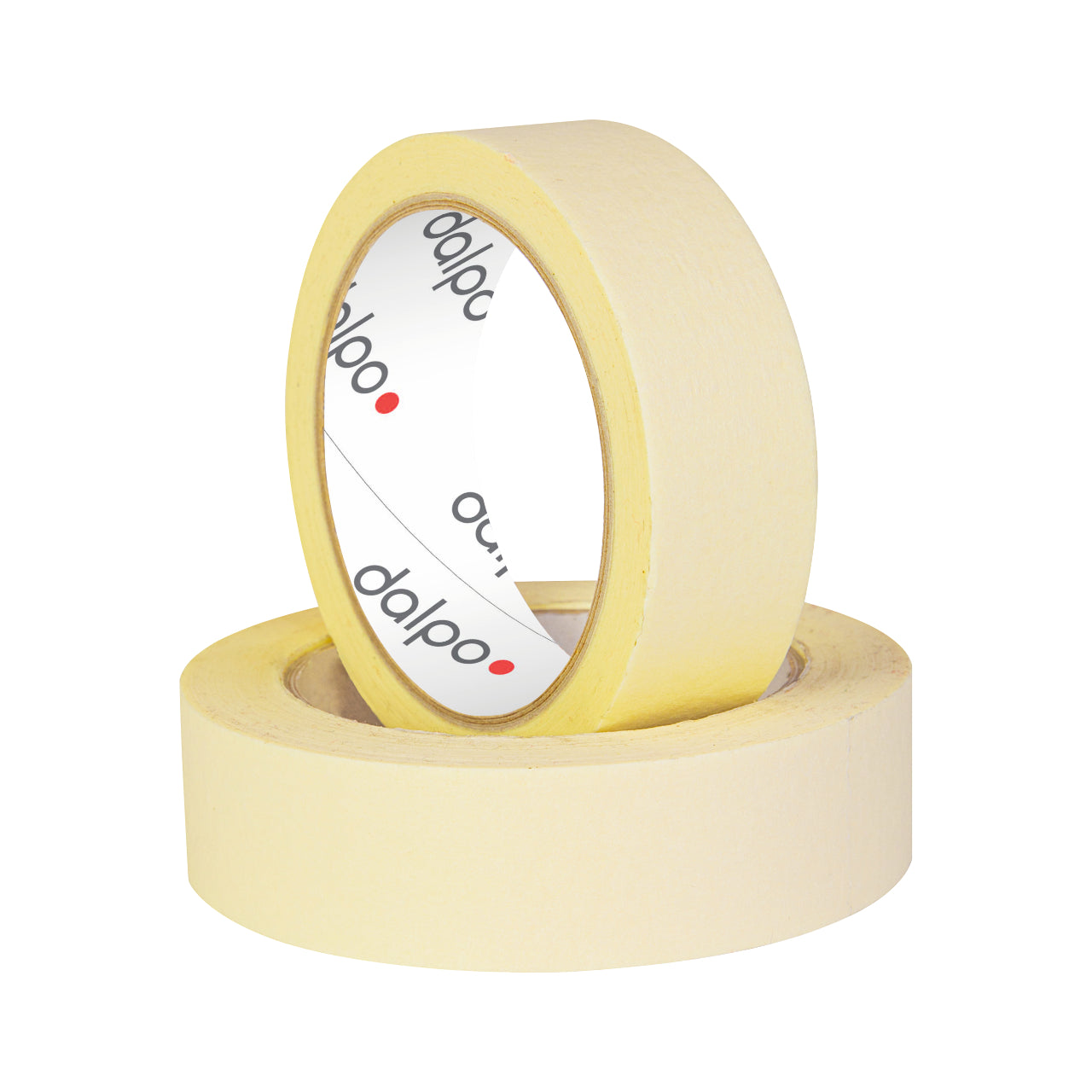
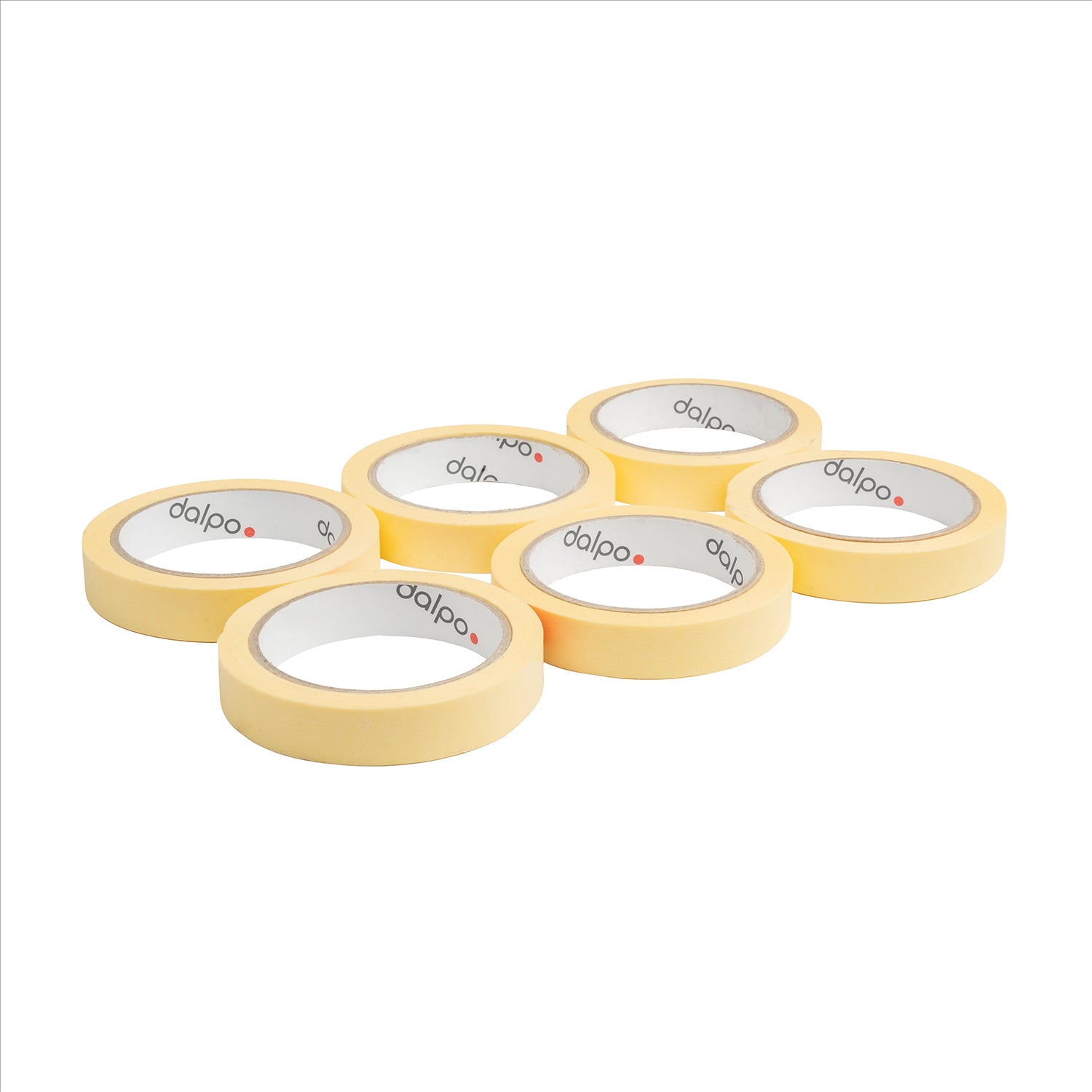
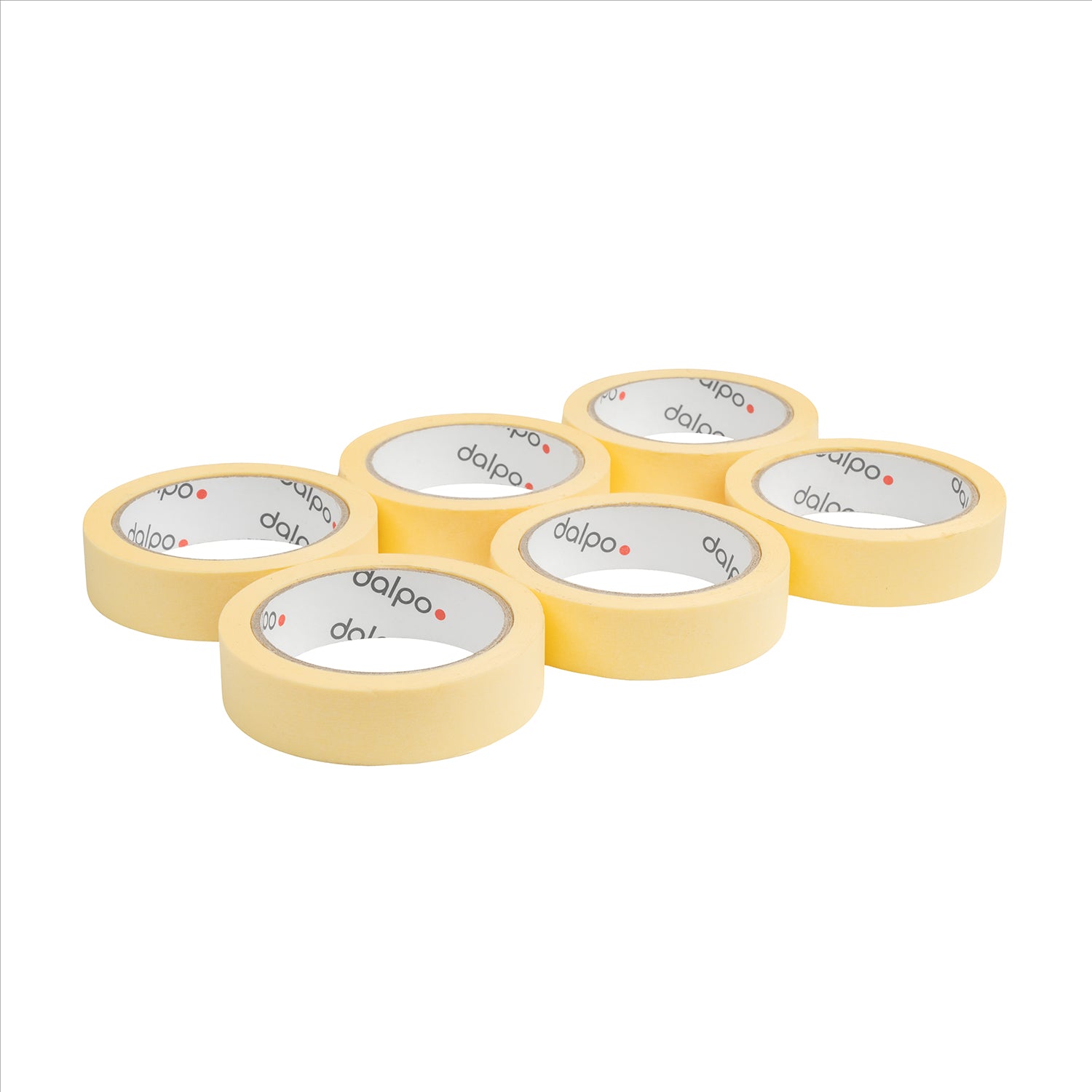
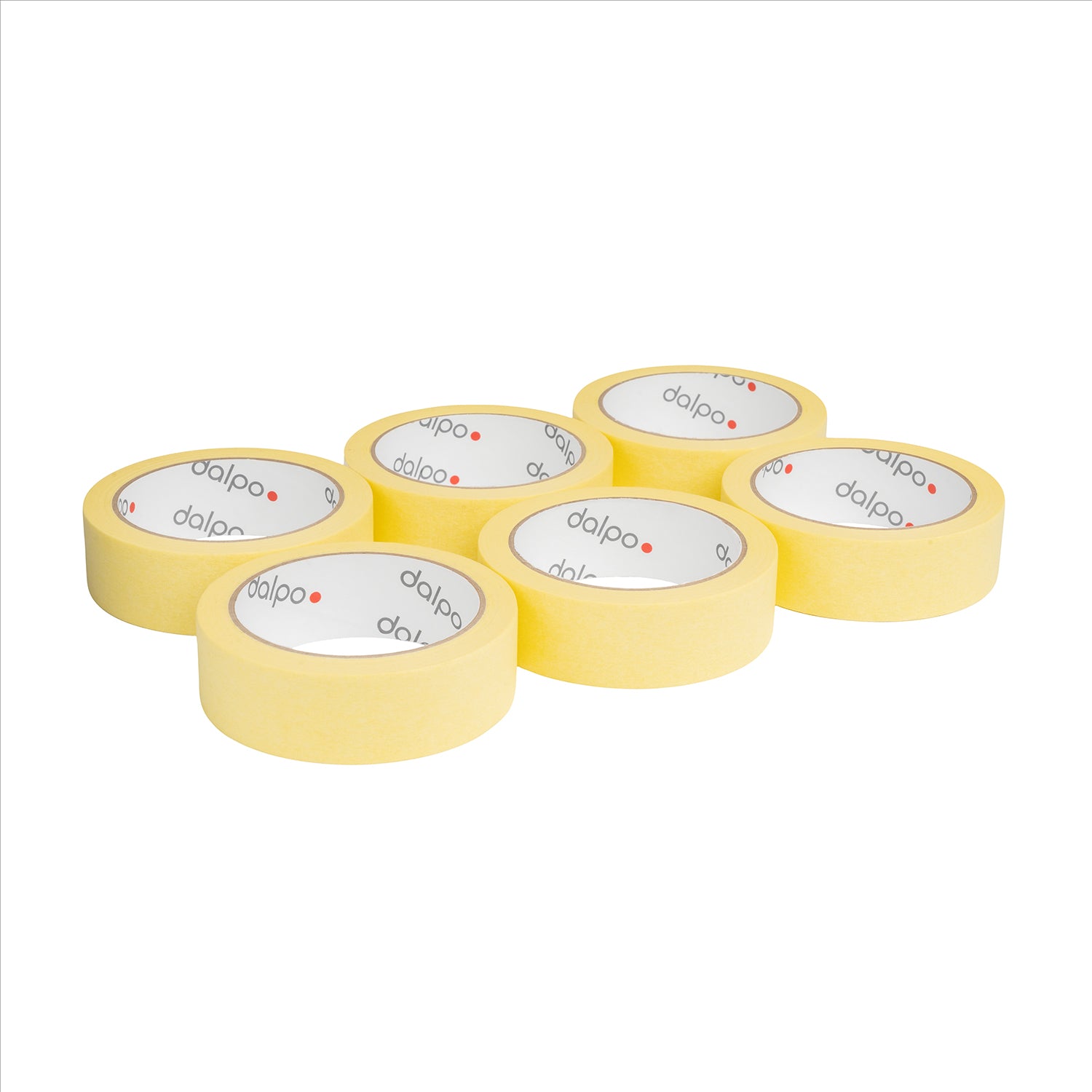
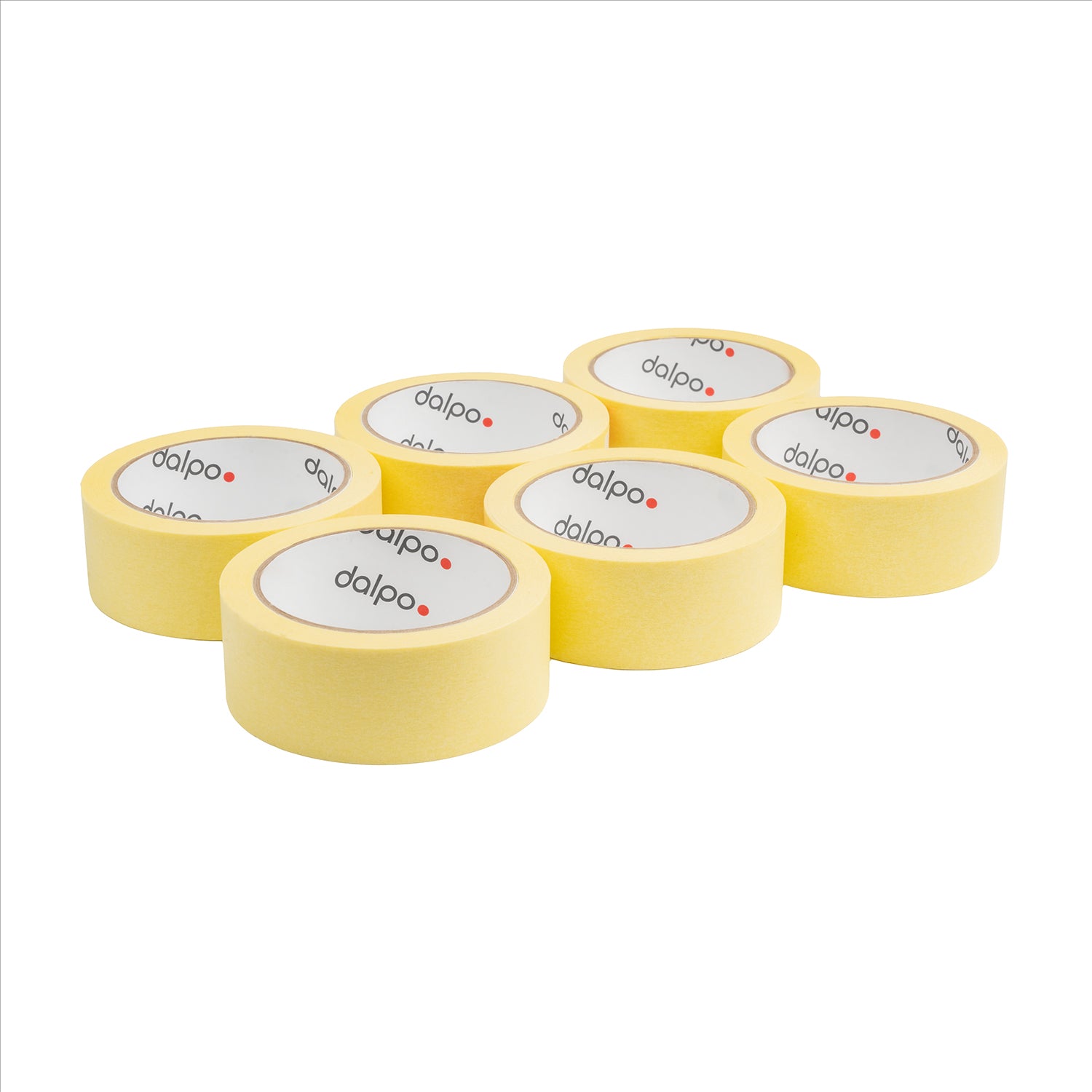
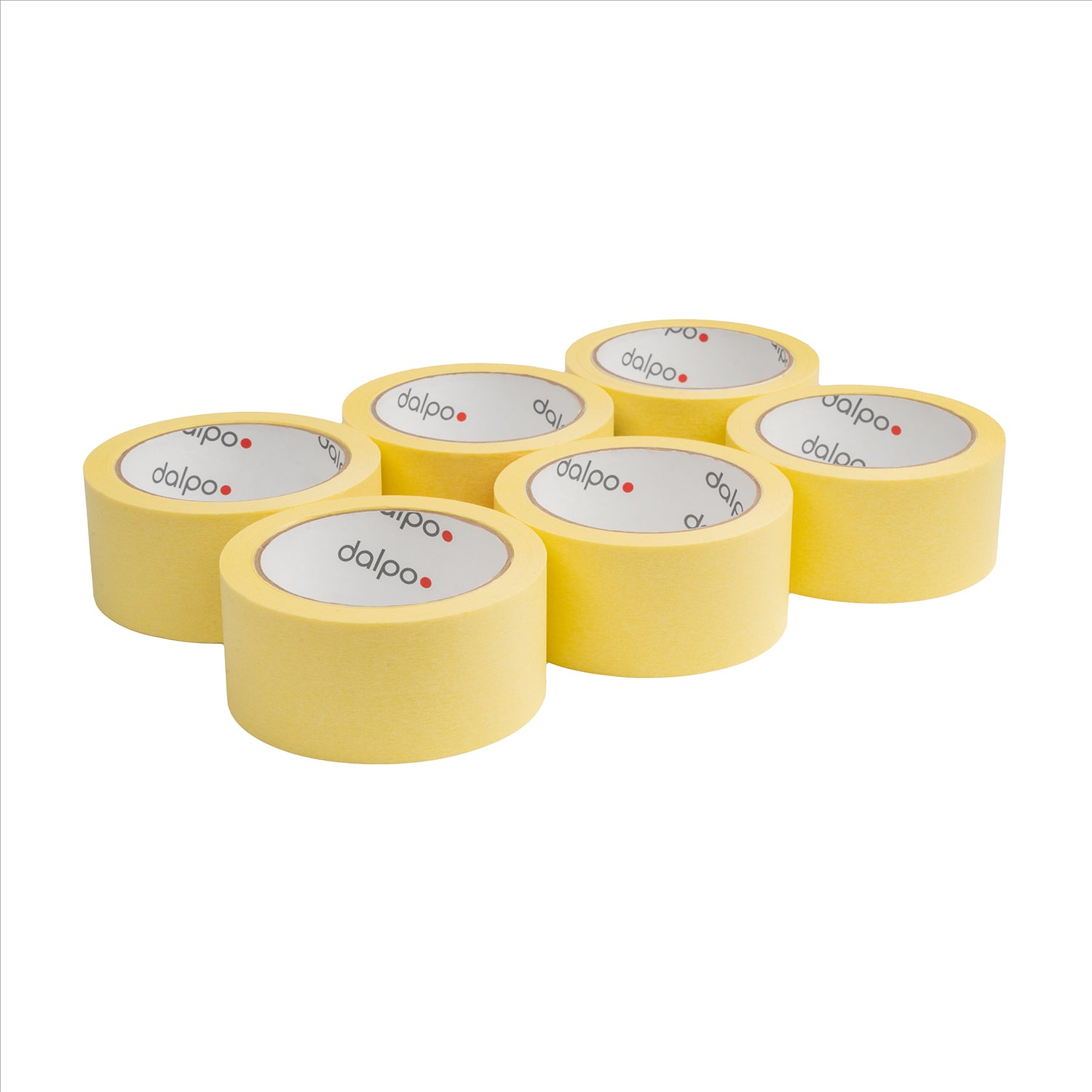
- masking tapes – great for protecting skirting boards,
- painter's foils – it is worth opting for the most durable type of foil and laying it in strips, securing it with appropriate tape,
- foil tapes – perfectly join foil, providing high protection,
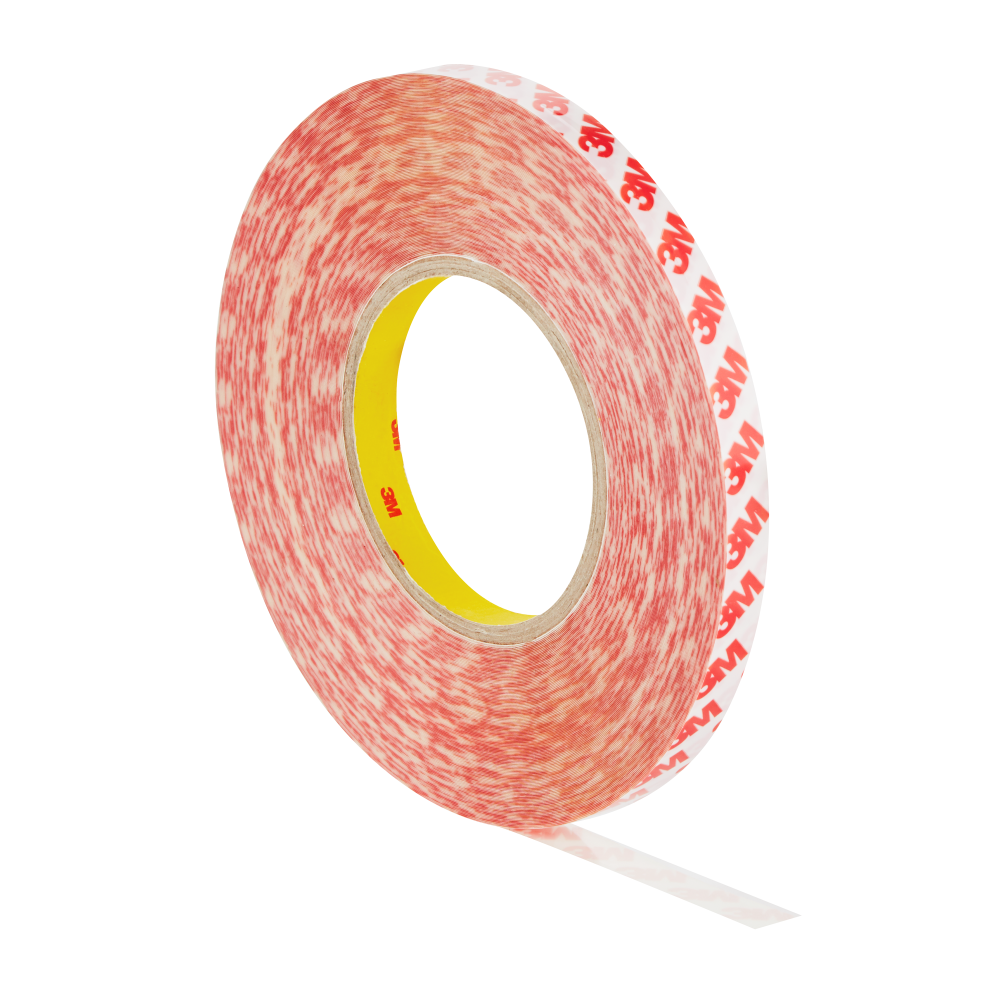
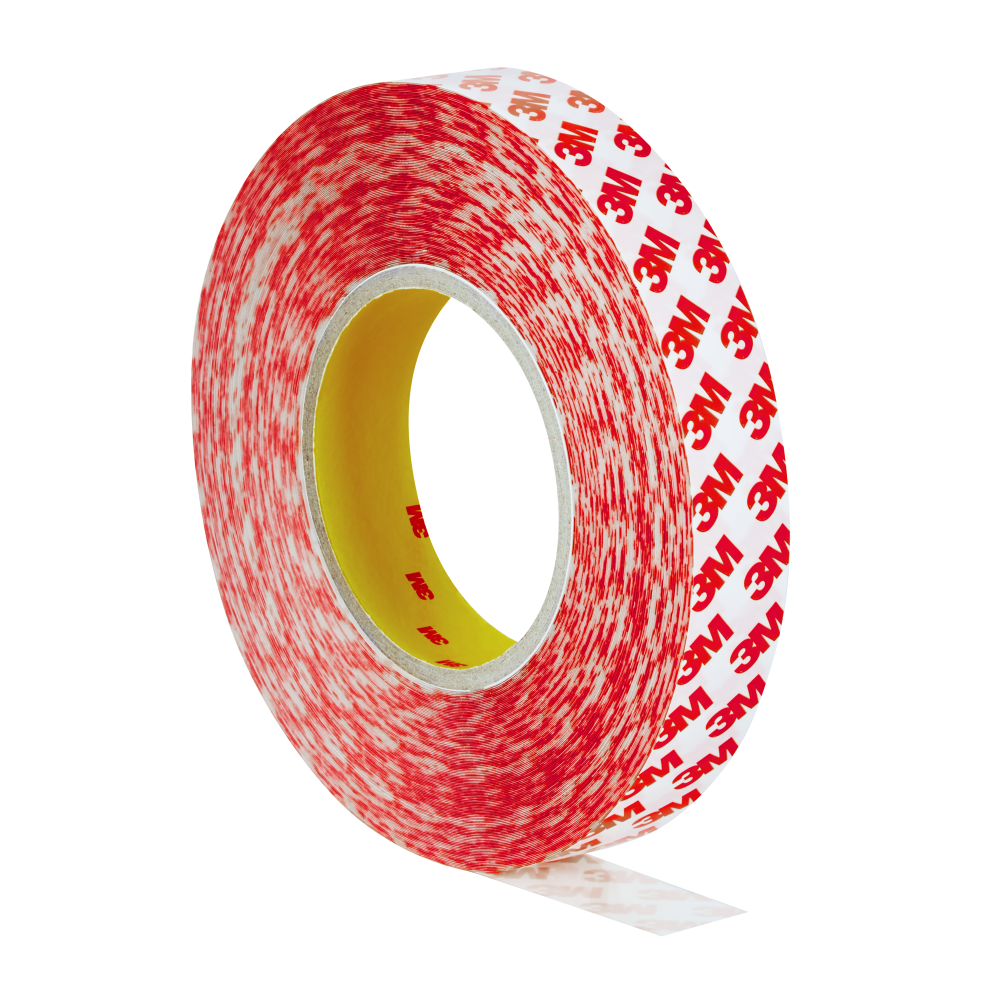
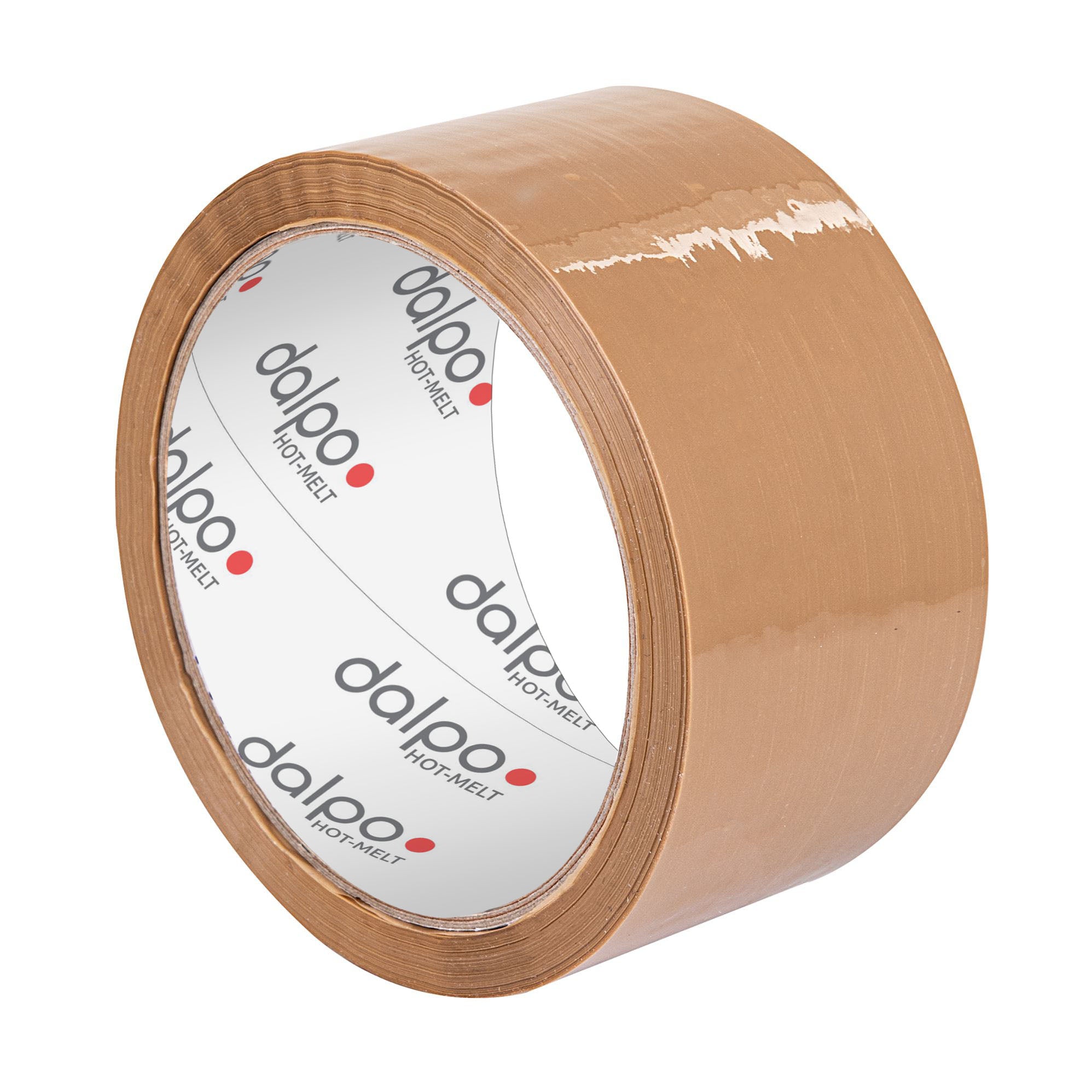
- self-adhesive tapes – used for joining or mounting all kinds of materials.
No one wants carefully maintained panels to suffer any damage. That is why before starting work, you should tightly cover the floor with painter's foil.
-
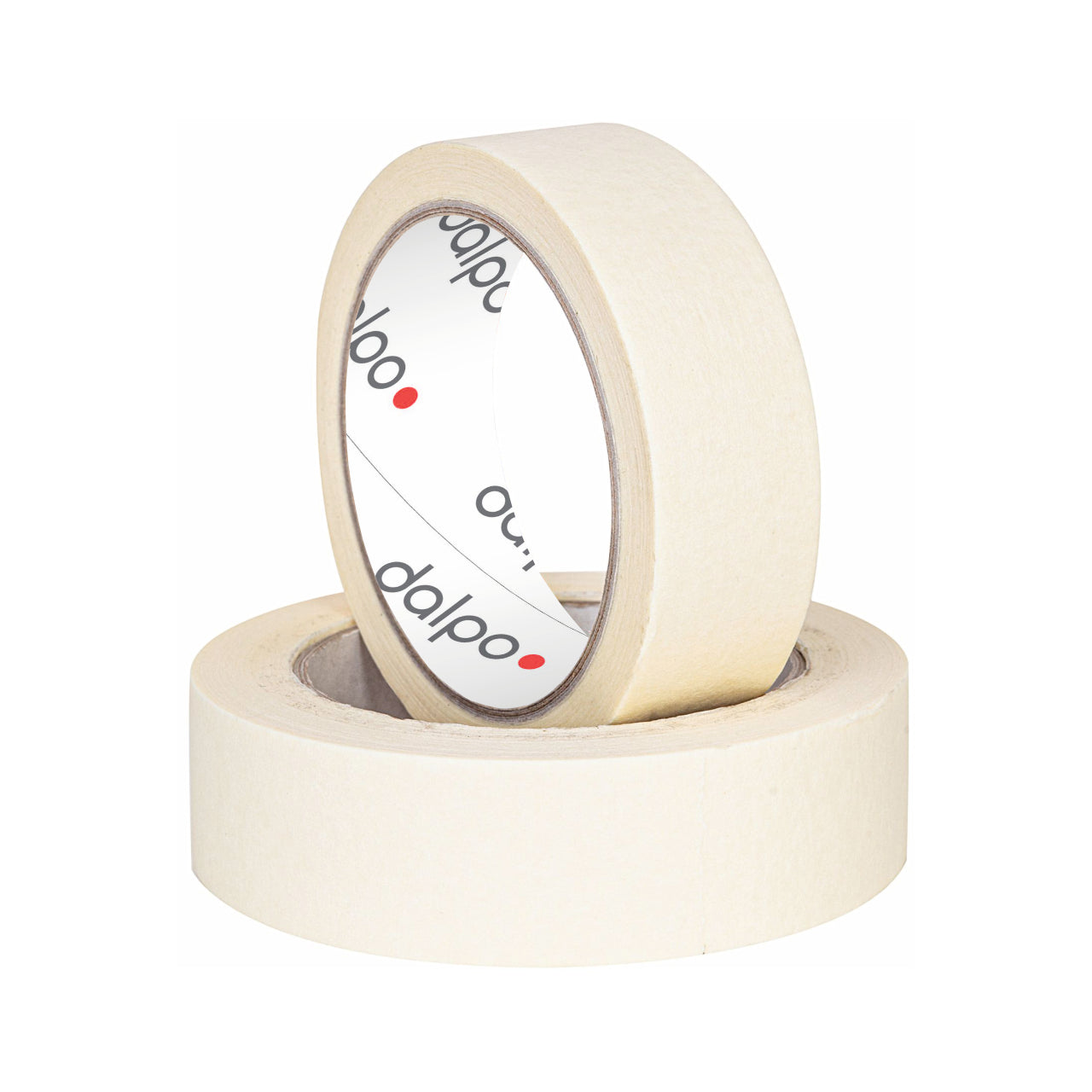
White masking tape 30 mm x 25 m
fromnetto1,48 zł -
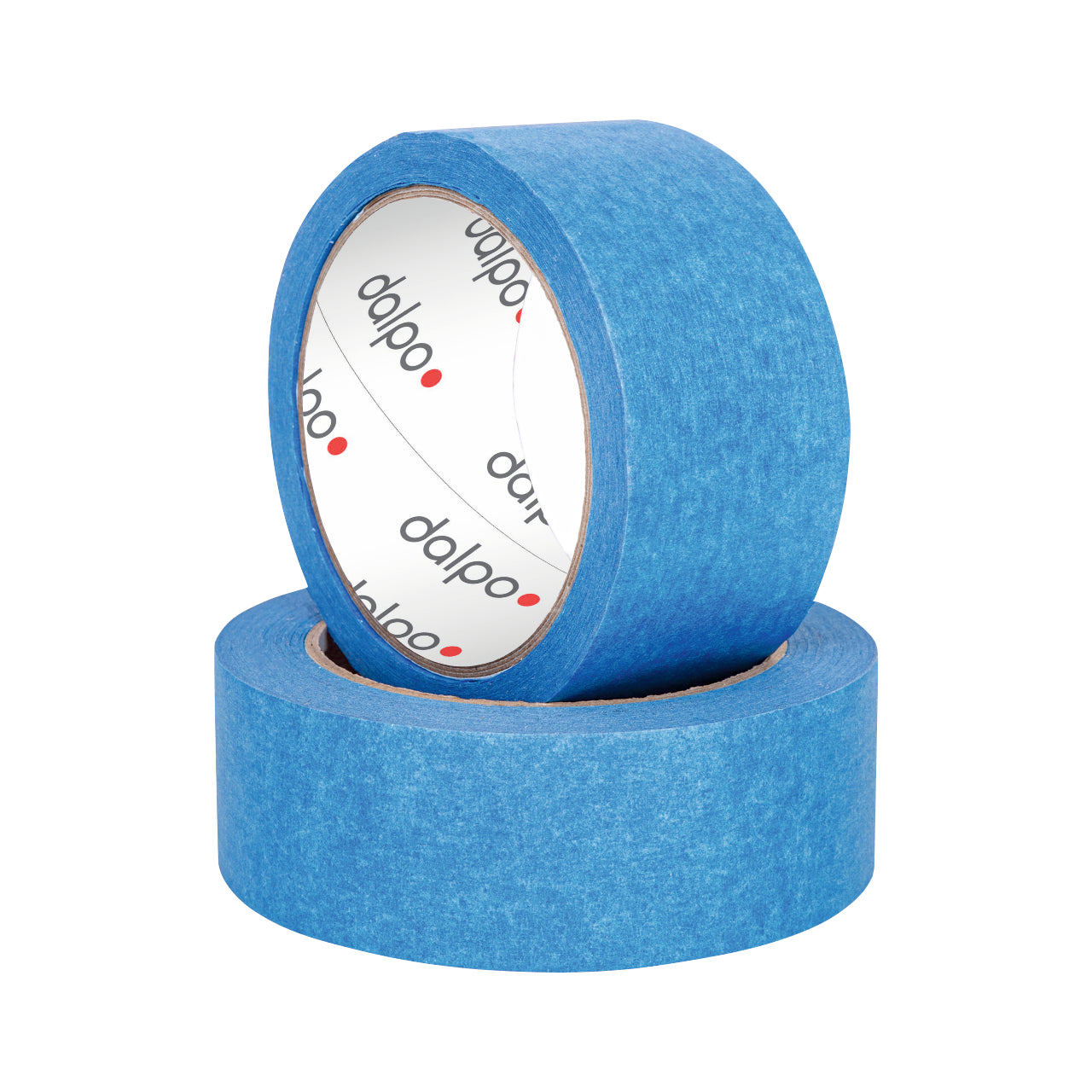
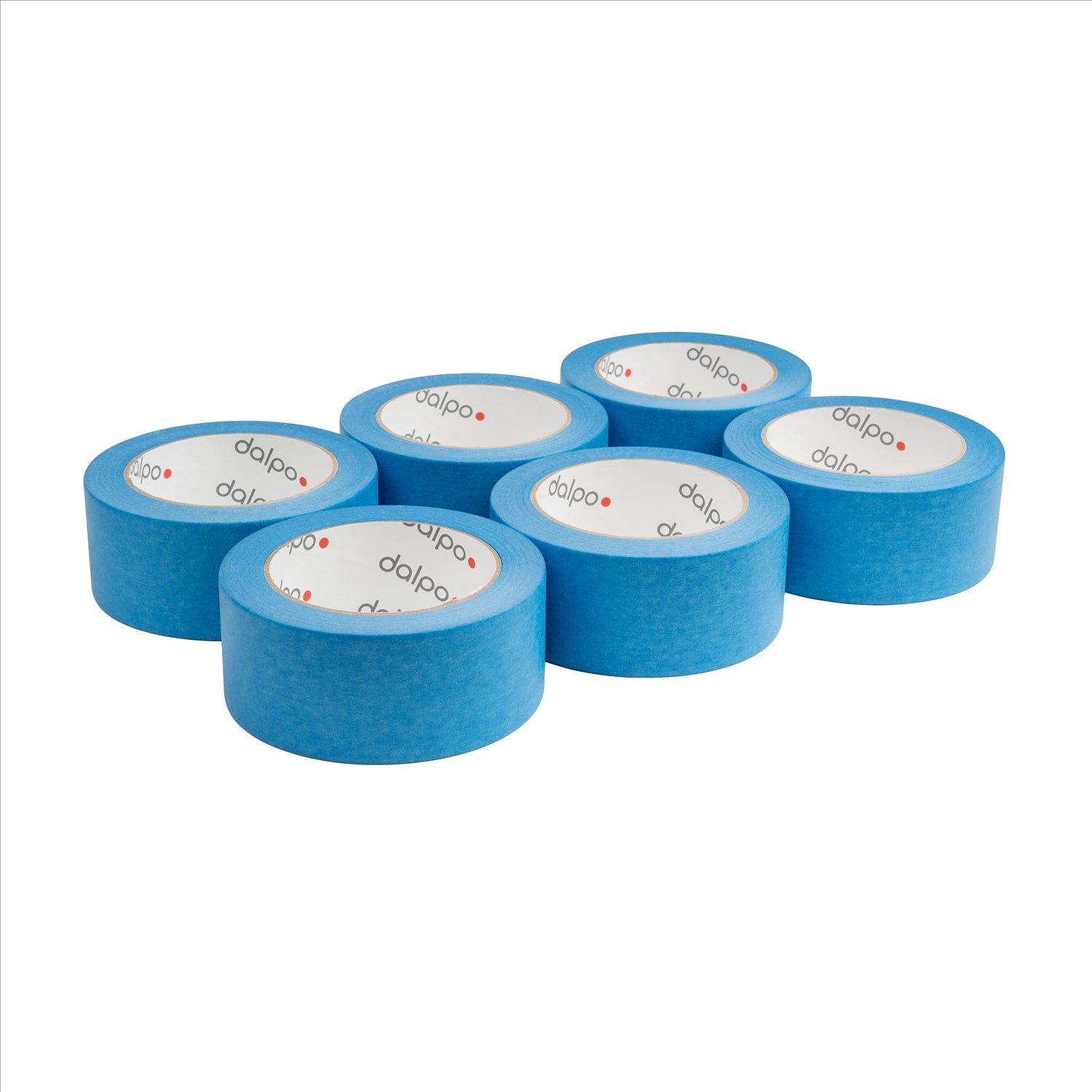
Blue painter's tape (various sizes)
fromnetto4,40 zł