Which seal should I choose for the entrance door?

To enjoy its effectiveness for many years, it is important to choose the right material and type of seal, adapted to individual needs.
Types of door seals for entrance doors
When choosing a door seal for entrance doors, it is worth familiarizing yourself with the available options on the market. The main difference between them is the material from which they are made, which in turn affects their properties and intended use. Below we present the most common types of seals for entrance doors.
Rubber seals
Rubber seals are the most frequently chosen solution. They are characterized by exceptional flexibility, thanks to which they perfectly adhere to the door frame, effectively sealing them. They are resistant to changing weather conditions, including rain and moisture, and effectively help maintain optimal room temperature. They are ideal for entrance doors, providing effective insulation. For those who prefer easy installation, our 93 cm self-adhesive rubber seal will be a great solution.
Foam seals
Foam seals are a more economical option, especially recommended in places where extreme weather conditions do not occur. Although polyurethane foam is not as resistant to temperature changes as rubber or silicone counterparts, it perfectly fulfills its role in noise reduction. It is therefore an ideal solution if we want soundproofing. Although foam seals are less durable, they work great in internal applications.
Silicone seals
Silicone seals are a good choice for people looking for a material resistant to extreme conditions. Silicone copes with both high and low temperatures, is resistant to chemicals and UV radiation. Thanks to these properties, silicone seals retain their properties for many years. If you need a reliable seal resistant to changing conditions, a silicone seal will be the best solution.
Brush seals
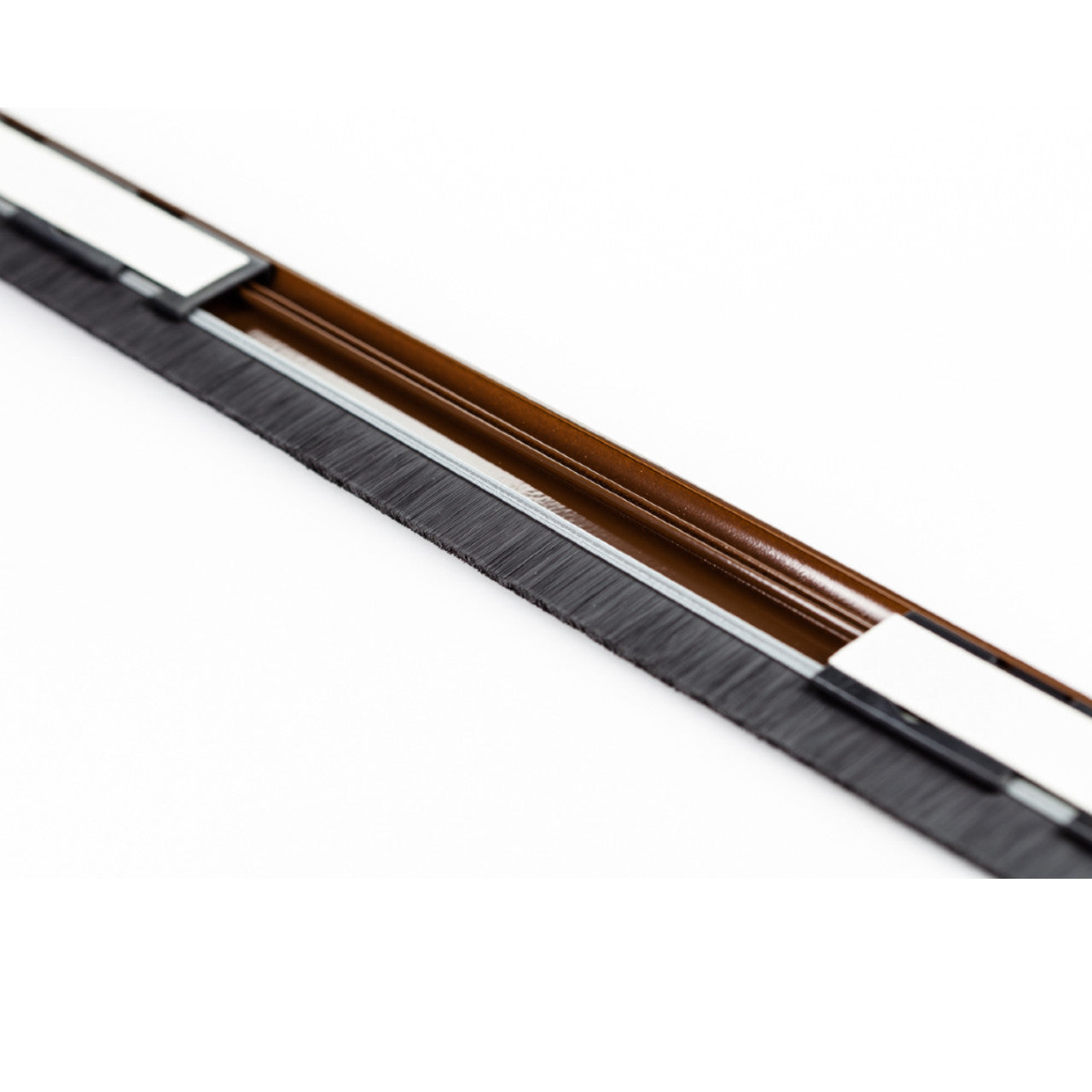
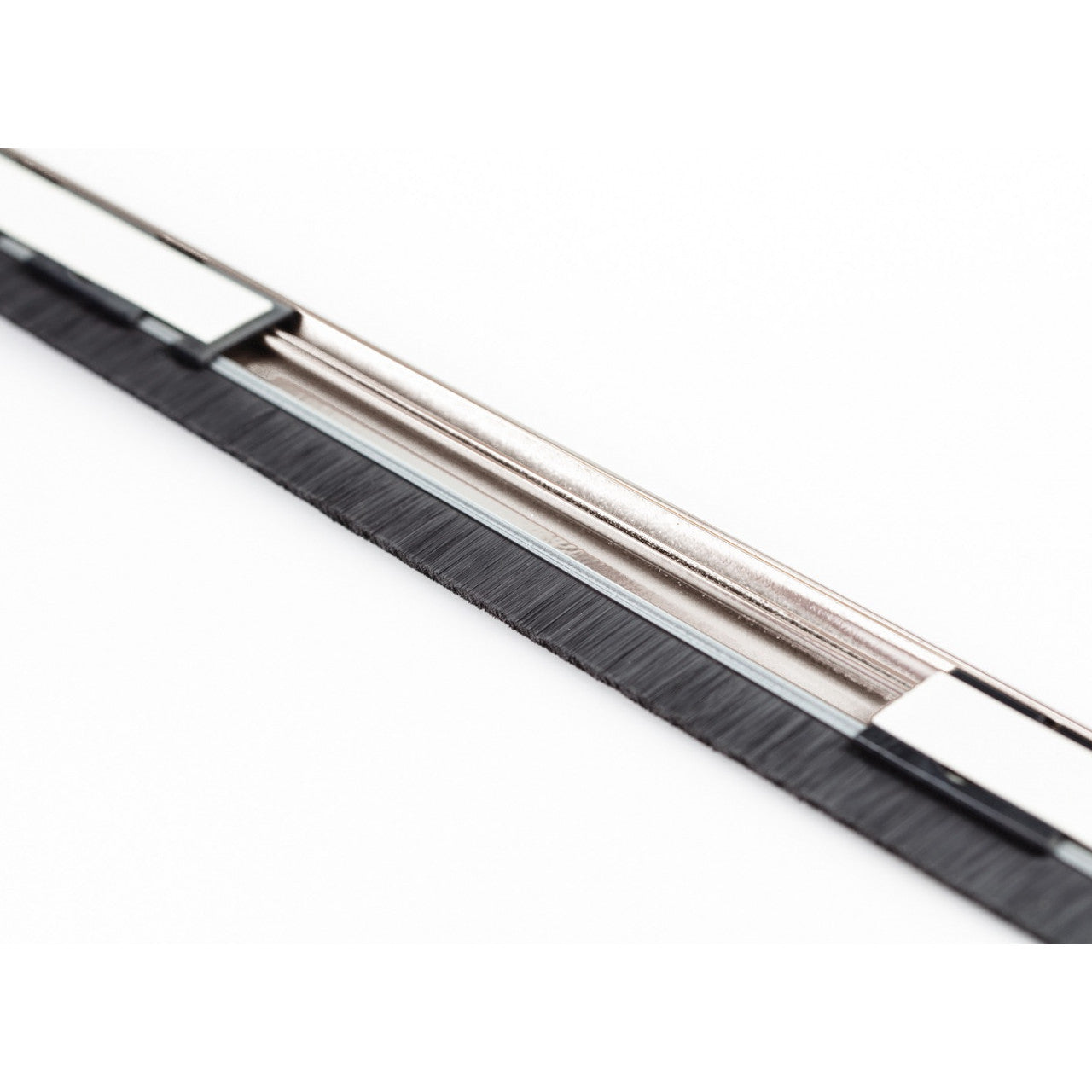
Brush seals are a modern solution that provides effective protection against dust, dirt, and fine contaminants, while maintaining an aesthetic appearance. Thanks to the use of synthetic fibers, these seals are particularly recommended for places with intensive use, such as offices, shops, or rooms where doors are frequently opened and closed. Our self-adhesive brush seal is characterized by easy installation and effectively protects the space from wind and dust.
-
Sold out
Brush seal, flexible, 93 cm, self-adhesive, rubber (various colours)
fromnetto25,52 zł -
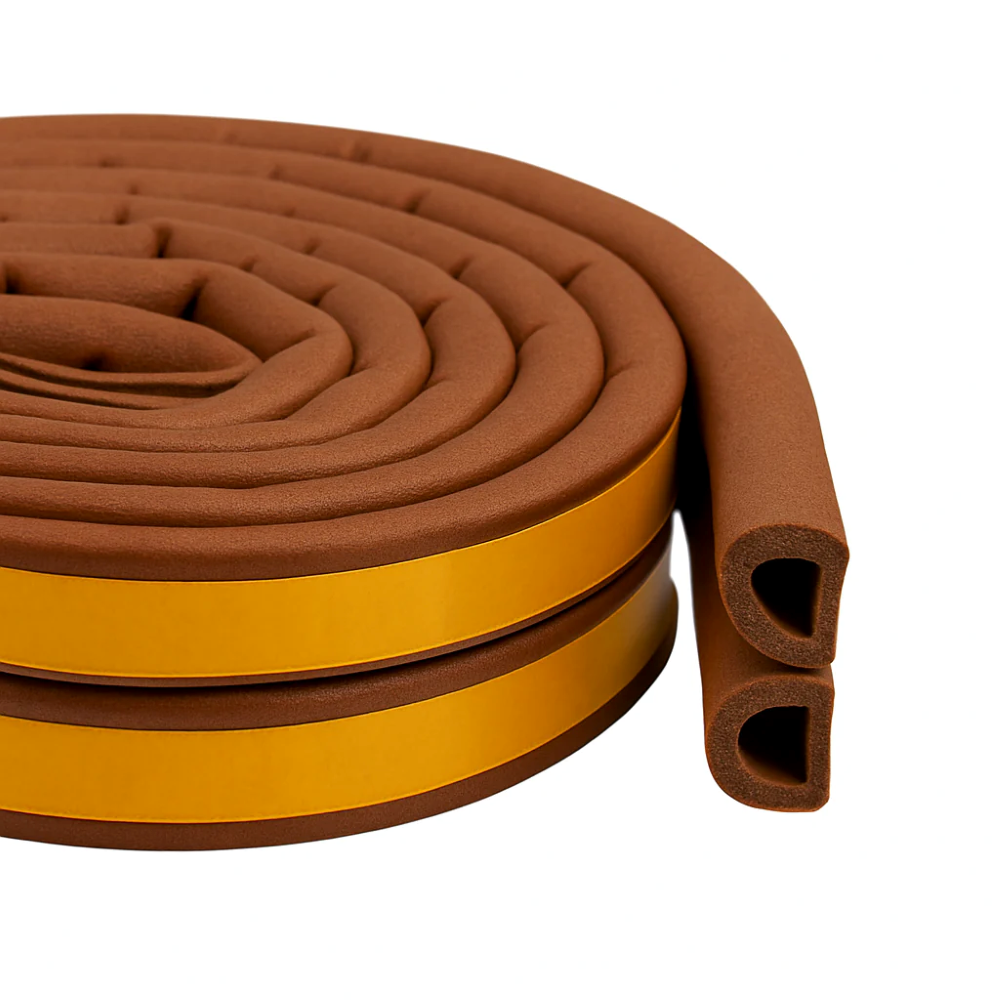
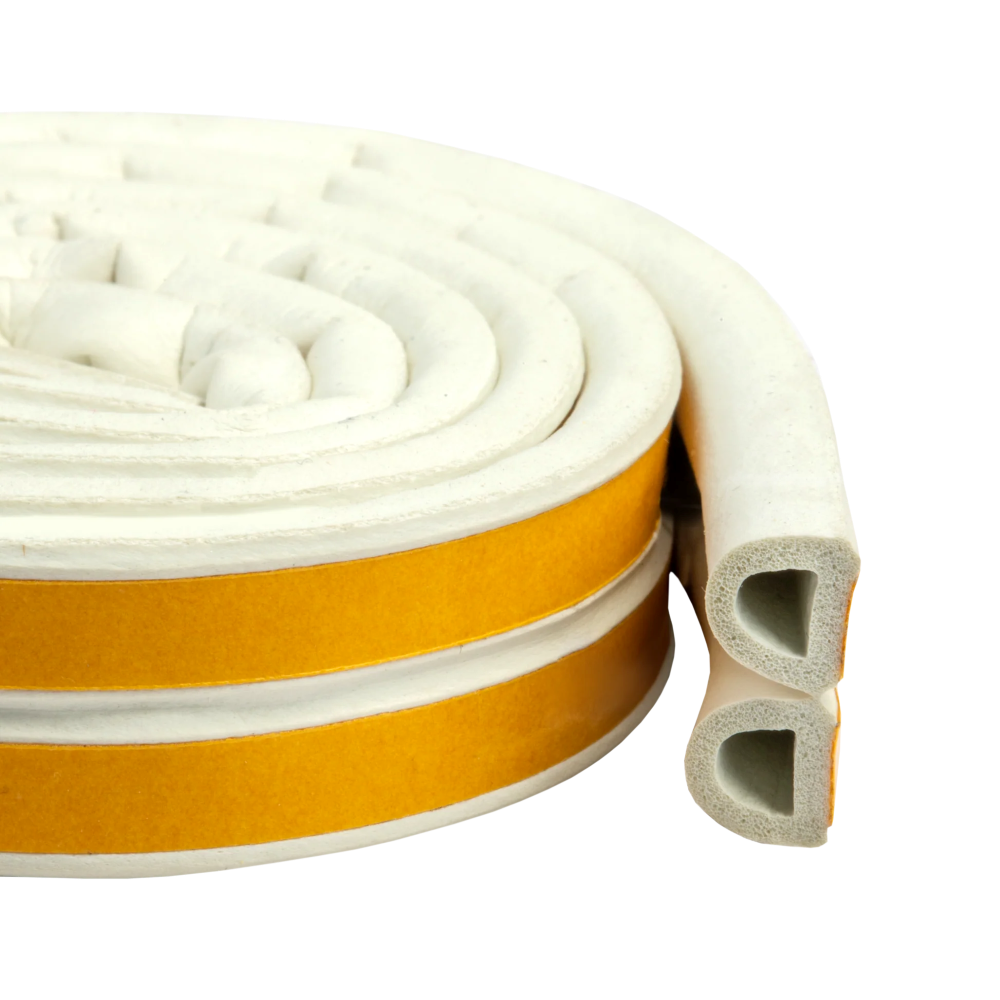
Rubber seal, self-adhesive, D-profile, 9x7 mm (various colors and lengths)
fromnetto11,05 zł -
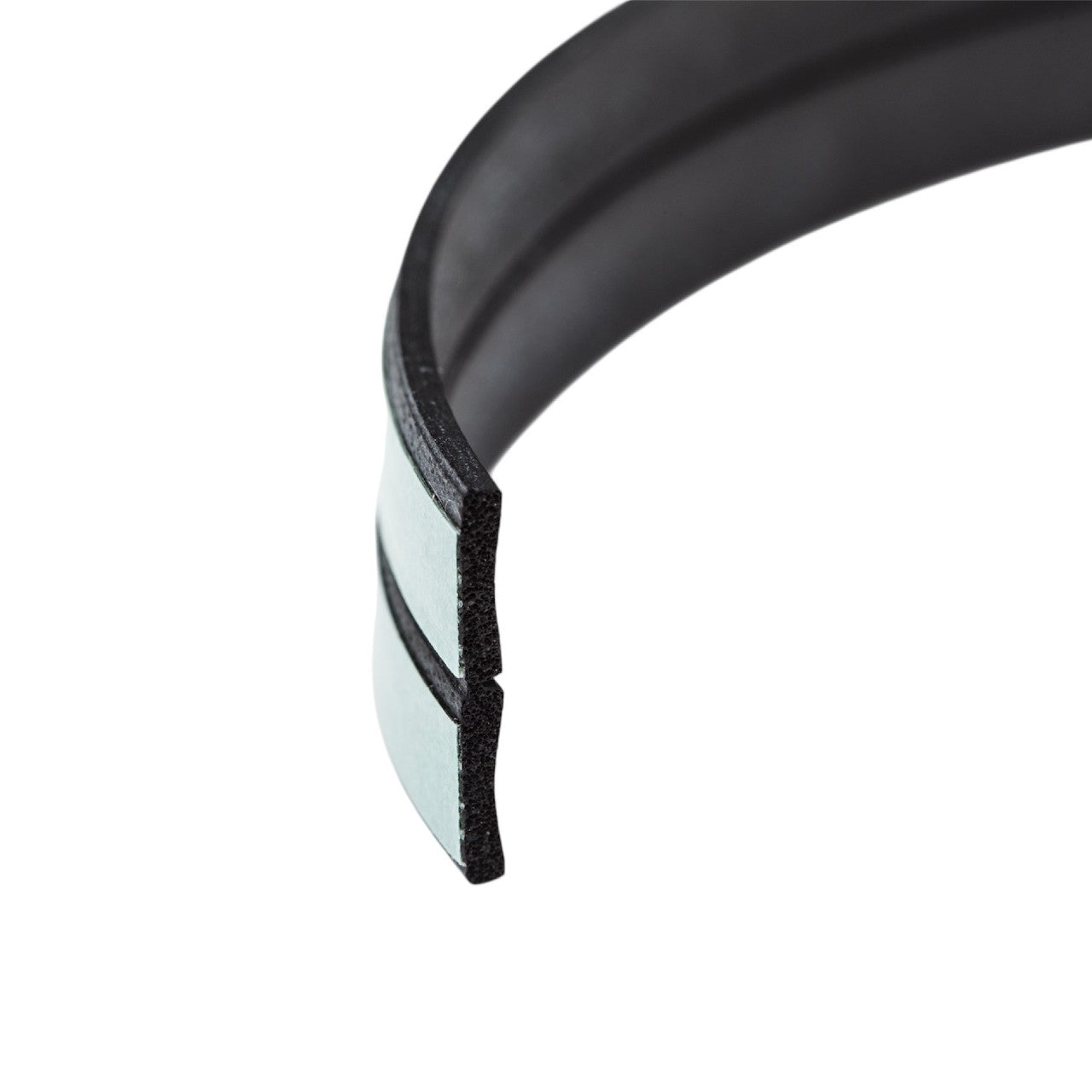
Self-adhesive rubber seal, Cellband profile, 200 meters, 8x2 mm (various colors)
fromnetto255,51 zł