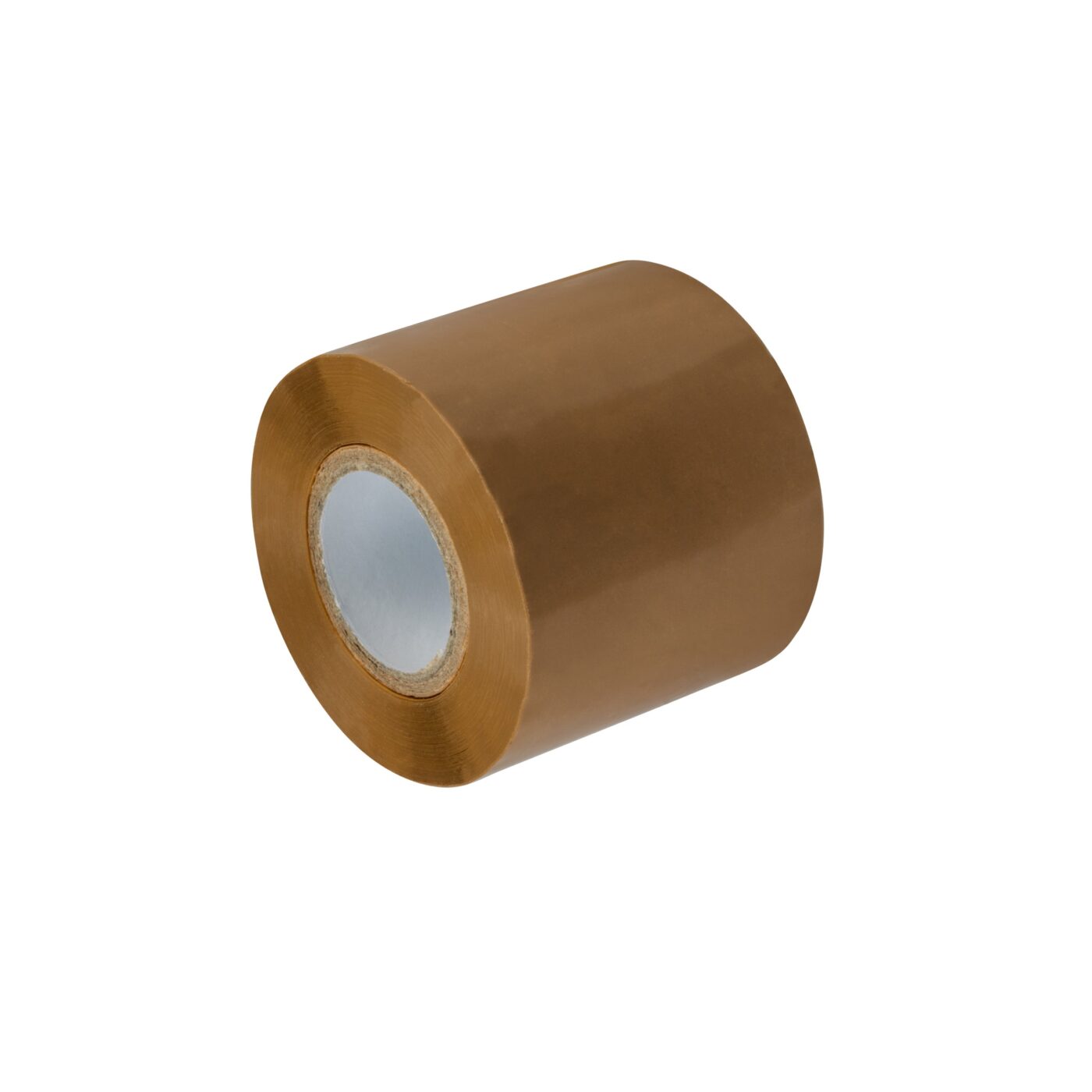
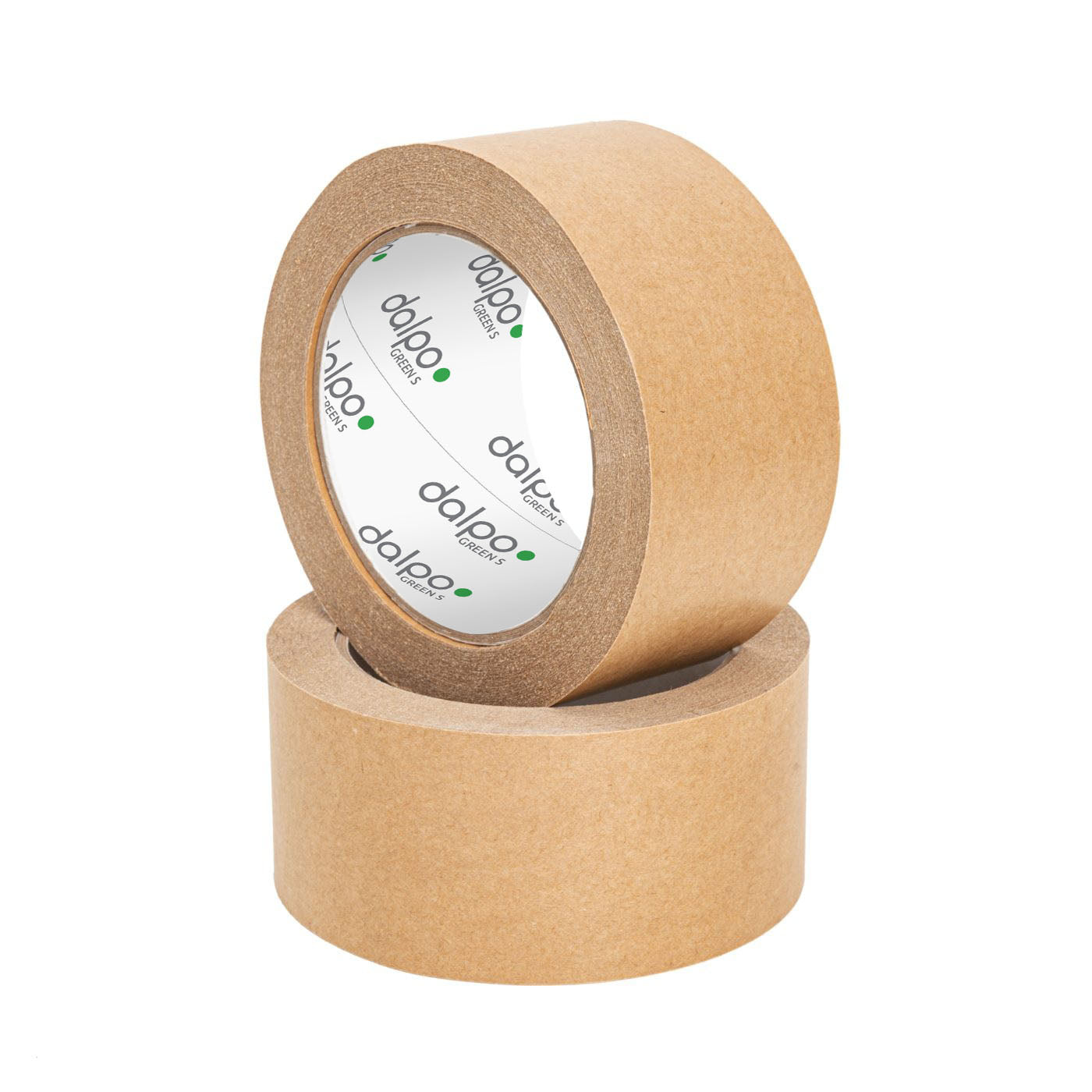
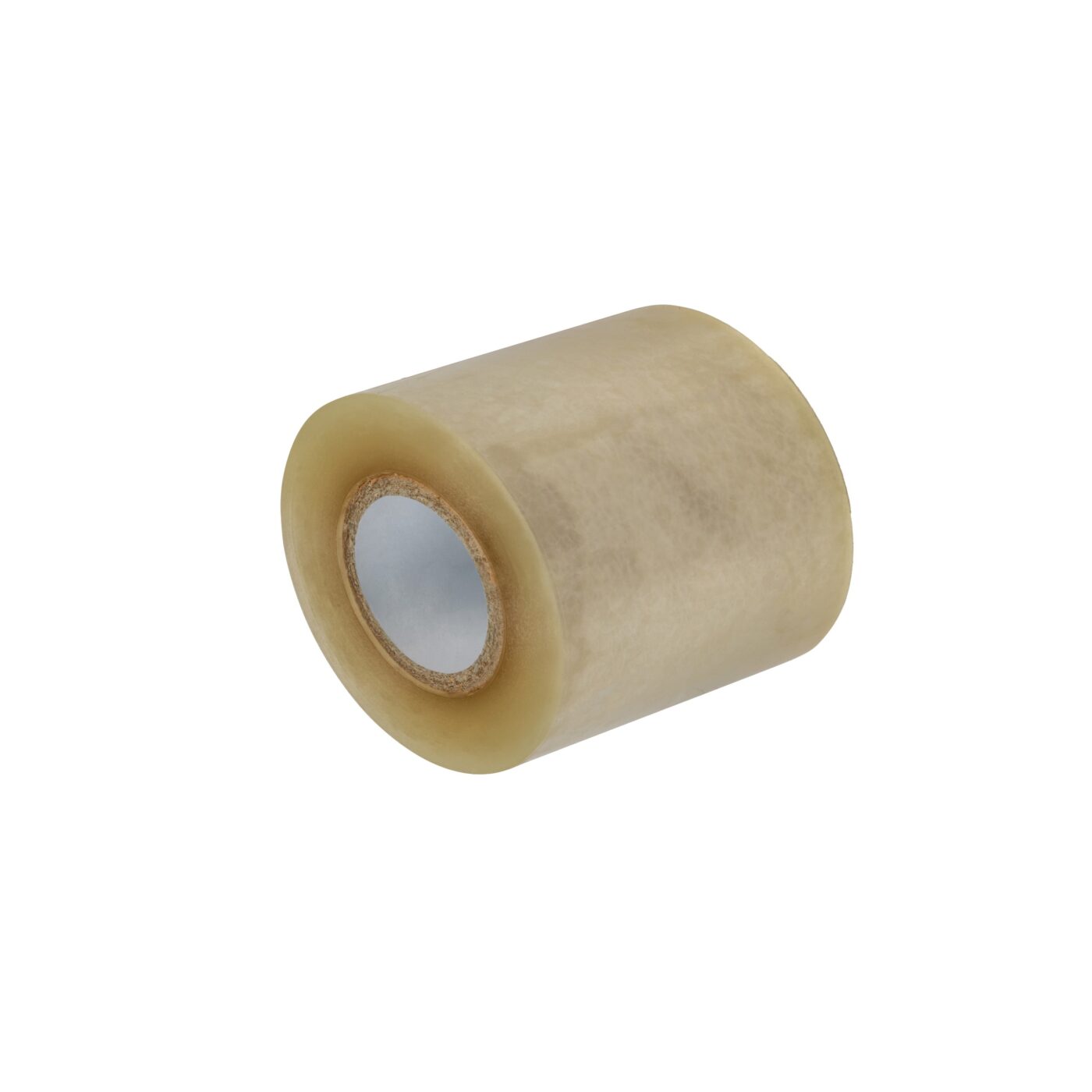
Hot melt, solvent, and acrylic adhesives – differences in packaging tape adhesive types

What are the differences between the most popular adhesive types in packaging tapes: acrylic, hot melt, and solvent? Below, we will compare their distinct properties and advise on how to choose the right one for specific applications.
Acrylic Adhesive – Transparency, Stability, and UV Resistance
Acrylic adhesive is one of the most commonly used adhesives in packaging tapes. It finds many applications during daily parcel packing processes. One of the biggest advantages of acrylic adhesive is its transparency, which is particularly important for transparent tapes. Unlike hot-melt adhesive, which often leaves visible streaks, and amber solvent adhesive – acrylic tape looks aesthetic and does not affect the appearance of the packaged shipment. Additionally, it exhibits UV resistance, so it does not yellow over time, even with prolonged storage.
Properties of acrylic adhesive:
- Adhesion: Acrylic adhesive adheres well to smooth and dry surfaces. It works best on materials such as paper and cardboard.
- Weather resistance: Acrylic adhesive is not highly resistant to fluctuating temperatures or extreme weather conditions. It is best used indoors, where the temperature is stable and the surface is not exposed to moisture.
- Application: Ideal for packing light and medium parcels. It works perfectly in conditions without significant temperature fluctuations or humidity. An example could be transparent acrylic packaging tape, which can be used in warehouses, offices, or for packing shipments.
Hot Melt Adhesive – Resistance in Challenging Conditions
Hot melt adhesive is a type of synthetic adhesive, most often rubber or resin-based. The adhesive is activated by heat, which is why these tapes contain the adhesive in solid form, which melts when heated. Hot melt is characterized by a fast bonding time. It sets instantly, almost immediately after application to the surface. Tapes with this adhesive create durable and flexible bonds, resistant to climatic conditions. It is an excellent solution when you need fast bonding strength, durability, and an attractive price relative to the offered parameters.
Properties of hot melt adhesive:
- Adhesion: Hot melt adhesive has very good adhesion to a wide range of materials. It will permanently bond paper, wood, glass, metal, plastic, and uneven surfaces. Once dry, the adhesive forms an elastic bond that is resistant to mechanical damage.
- Weather resistance: Tapes with hot melt adhesive are characterized by high resistance to moisture and fluctuating temperatures. Thanks to its insensitivity to climatic changes, this adhesive will find application in more difficult conditions.
- Application: Tapes with hot melt adhesive, such as white hot-melt packaging tape and transparent hot-melt packaging tape, are ideal for packing medium and heavy parcels. They guarantee a strong, fast, and durable bond, ensuring the safety of shipments during transport. Hot melt adhesive also works well in automatic packaging systems, for precise bonding of electronic components, and for applications with posters and advertising banners.
Hot-melt adhesives are quick-drying, flexible, and resistant to variable conditions. Thanks to these properties, the use of such tapes speeds up work and also provides stability and safety for every shipment.
Solvent Adhesive – Strongest Adhesion, for Various Surfaces
Solvent adhesive is one of the most durable and strongest adhesives used in packaging tapes. Produced on the basis of natural rubber and solvents, it provides exceptional adhesion and durability – even in extreme environmental conditions.
It is the only adhesive among those described that works reliably in a temperature range from -20°C to +60°C, making it an excellent choice for outdoor applications, international transport, and work in variable climates. It is excellent for packing heavy parcels due to its high bonding strength.
Properties of solvent adhesive:
- Adhesion: Solvent adhesive is characterized by excellent adhesion. It works great for porous and difficult-to-bond surfaces. It easily bonds materials such as metal, plastic, or painted surfaces. Solvent adhesive also works effectively in conditions exposed to chemicals, oils, or greases.
- Weather resistance: Highest – resistance to UV radiation, chemicals, moisture, and significant temperature fluctuations. Thanks to this, tapes with solvent adhesive prove themselves in tasks that exceed the capabilities of other adhesives.
- Application: Solvent adhesive is ideal for packing heavy and large parcels that need to withstand transport in difficult conditions. For such tasks, it is worth using transparent solvent packaging tape, or eco-friendly white paper solvent tape. This adhesive is often used in the automotive, construction, and electronics industries.
Tapes with solvent adhesive, due to their numerous advantages and high durability, are commensurately more expensive. However, it is worth choosing them for applications requiring strong adhesion, resistance to harsh conditions, and reliability.
-
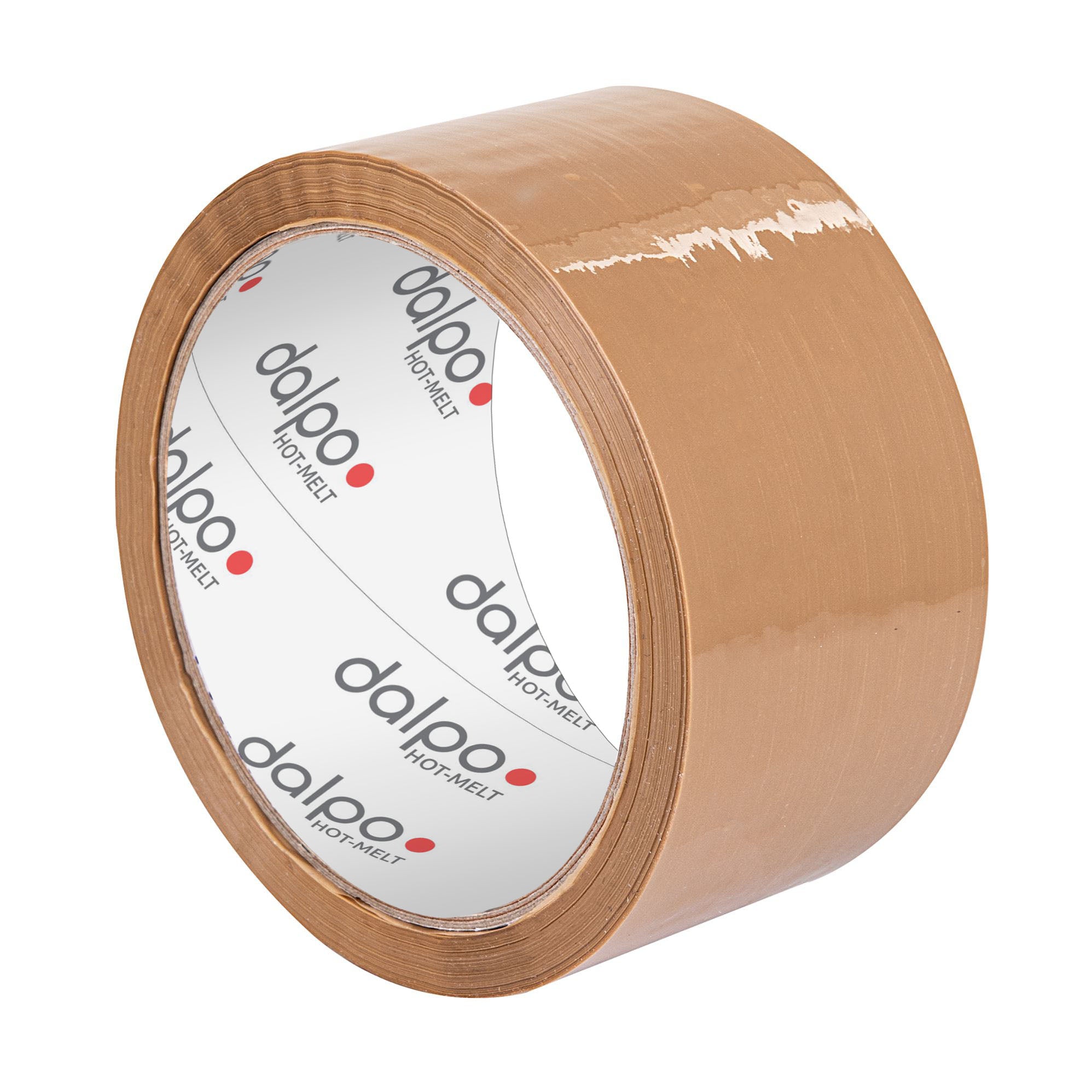
Hot-melt brown packing tape 1-inch 48mm x 38m
fromnetto2,03 zł -
Brown paper kraft solvent packaging tape 50 mm x 50 m
fromnetto9,88 zł -
Sold out
Transparent acrylic packaging tape 1-inch - 48 mm x 40 m
fromnetto3,99 zł