Less waste - what does it actually mean and how does it affect product packaging?

It is not just a lifestyle, but a concrete design and production strategy where waste reduction becomes one of the main goals. In the face of growing environmental challenges, more and more companies, including those in the packaging industry, are looking for solutions consistent with this idea.
Less waste – what does it mean?
The less waste philosophy assumes reducing the amount of waste at every stage – from production, through distribution, to use and disposal. In practice, this means striving to reduce the carbon footprint and rational resource management. In practice, this includes:
- using environmentally friendly materials,
- minimizing raw material consumption,
- designing products and packaging with their longevity in mind,
- promoting recycling and reuse.
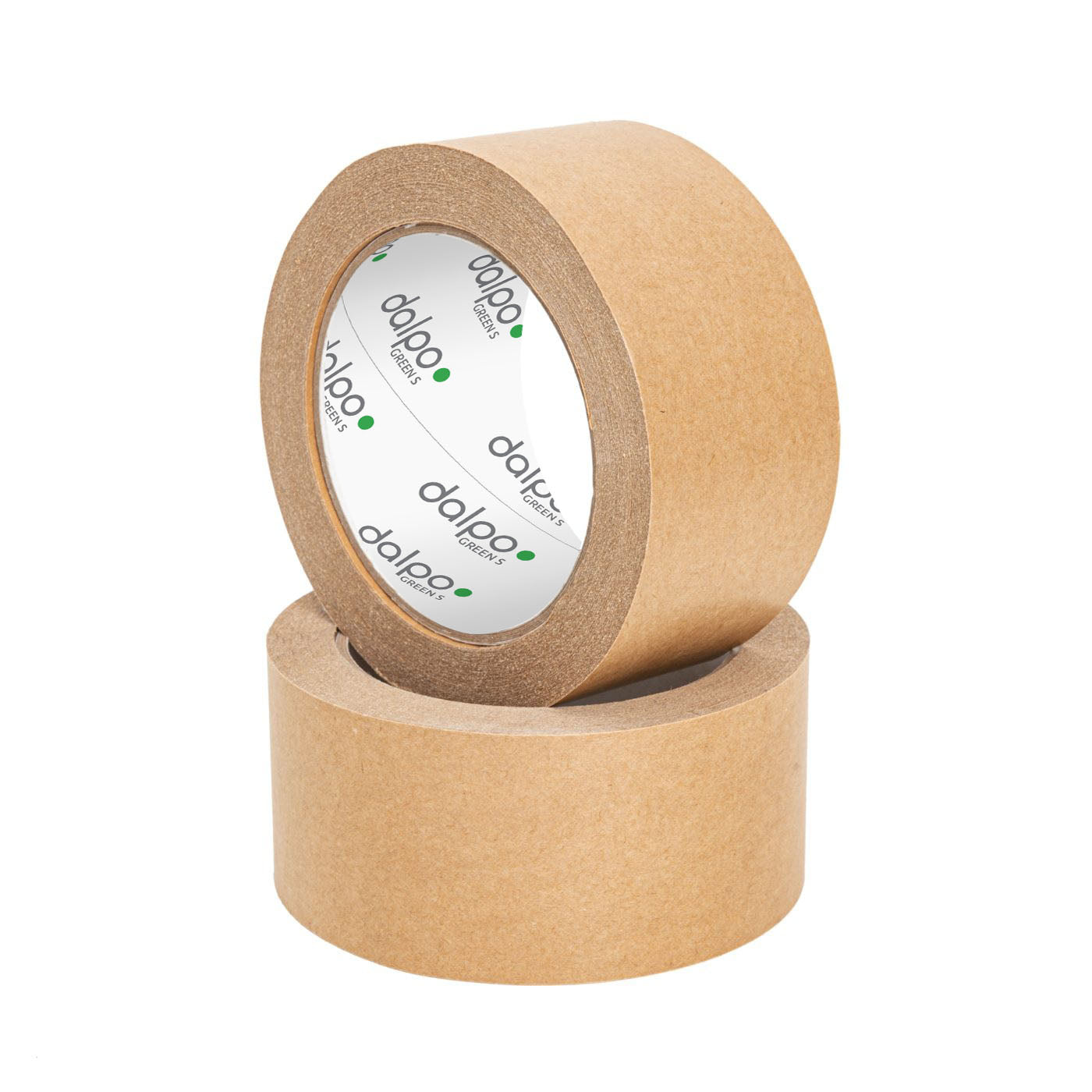
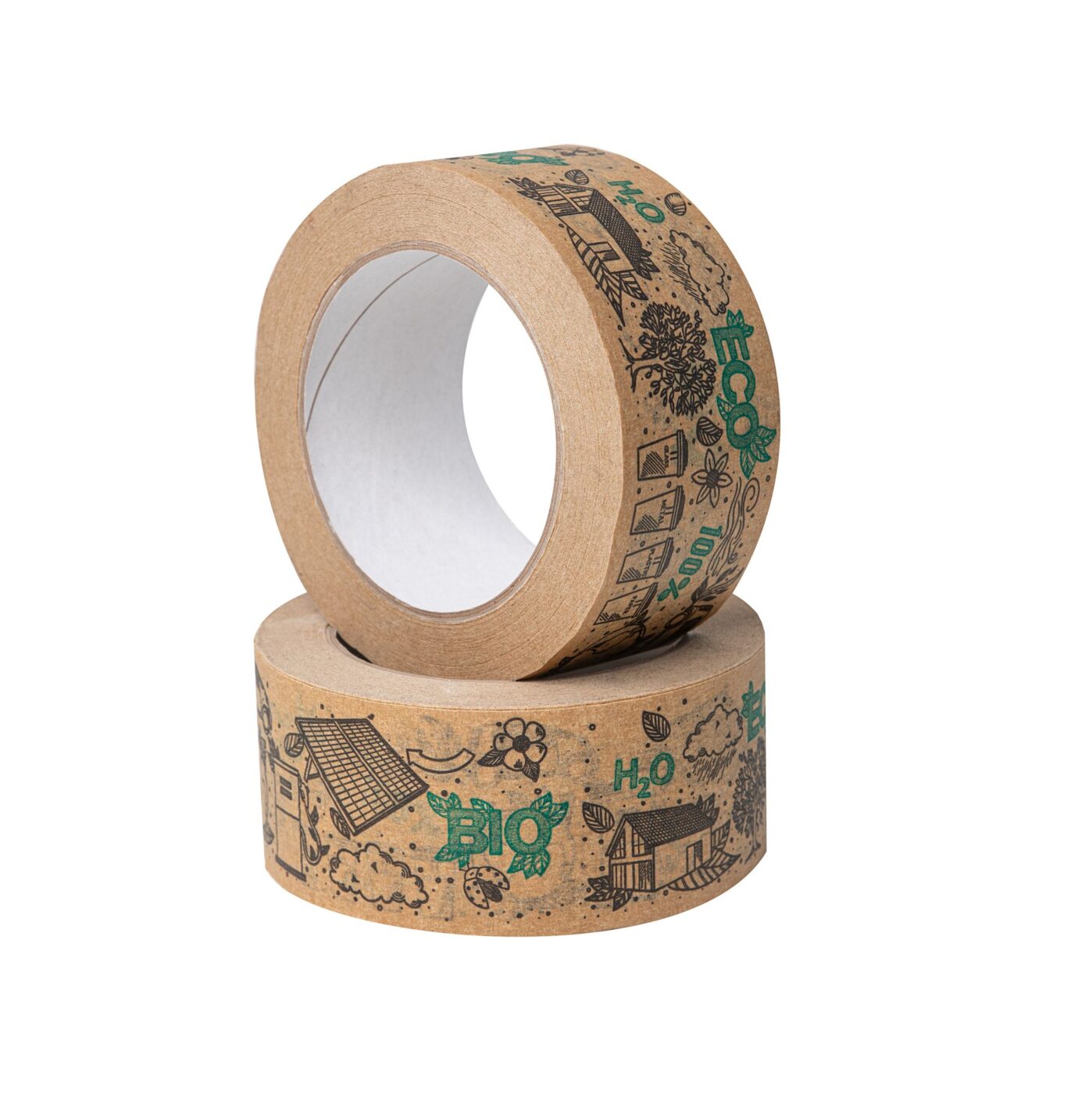
In business practice, the less waste strategy can be implemented, for example, by changing the materials used in packaging. Classic plastic tapes are increasingly being replaced by environmentally friendly alternatives – such as paper tape with ECO print and Less Waste. This solution allows for reducing plastic and at the same time ensuring a professional appearance of the shipment.

How does less waste affect product packaging?
1. Eco-friendly materials
Packaging in line with the less waste idea starts with the material. FSC-certified paper, recycled cardboard, or biodegradable plastics are increasingly popular choices in logistics today. But less waste also means using raw materials from alternative sources – e.g., from agricultural waste.
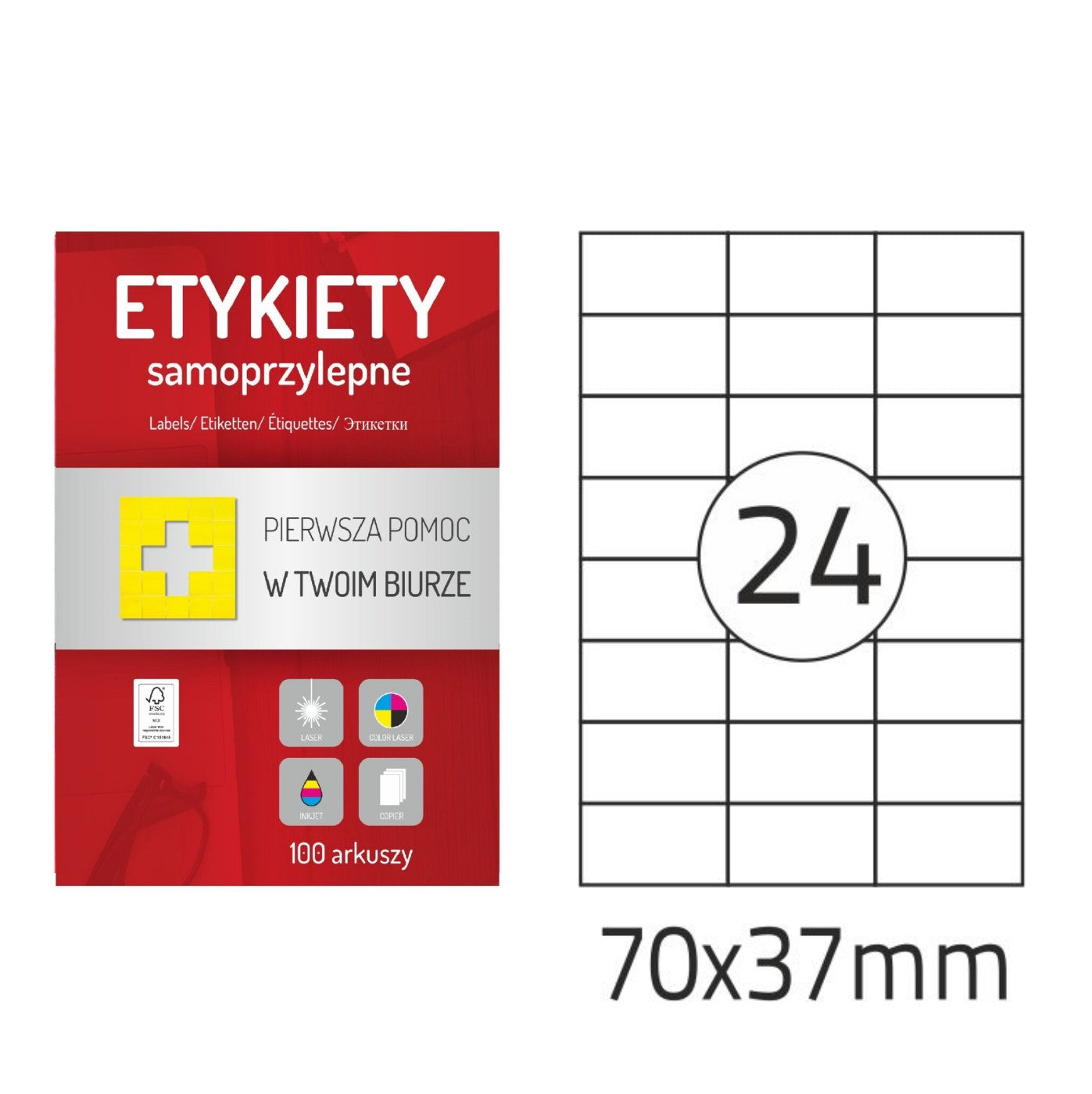
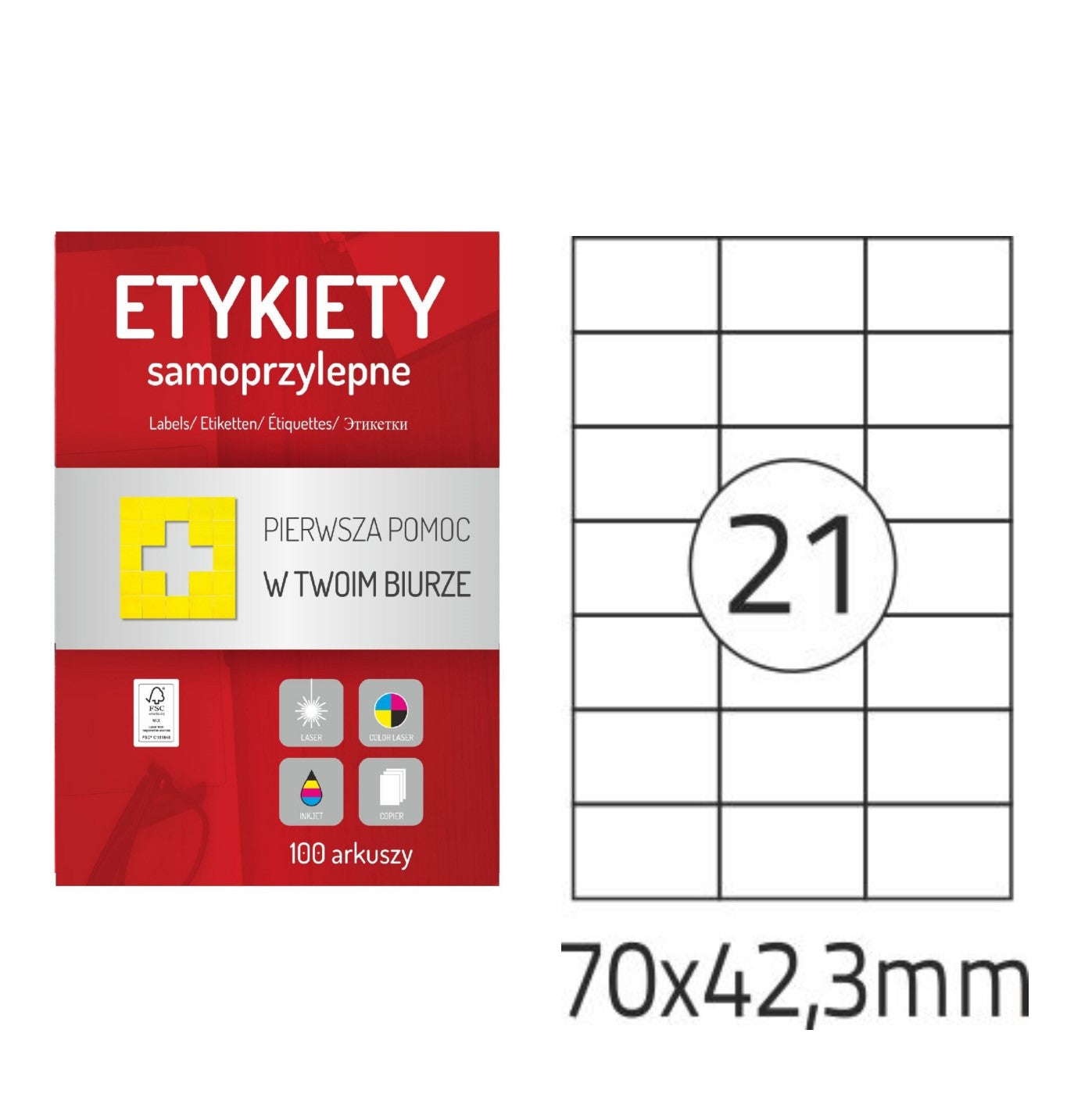
It is worth paying attention to thermal transfer print labels with added beet fibers, which are 100% ecological and fully biodegradable. Such solutions not only fulfill informational functions but also support companies in building a more sustainable supply chain.
Dalpo store also offers self-adhesive labels on kraft paper, which perfectly fit the less waste idea due to their simple, raw appearance and ease of recycling.
2. Fitted sizes
The size of the packaging itself is also important. Oversized boxes are not only a waste of material but also higher transport costs and greater energy consumption. Therefore, brands are increasingly opting for solutions that allow for precisely matching the packaging to the content – without unnecessary fillers and empty spaces.
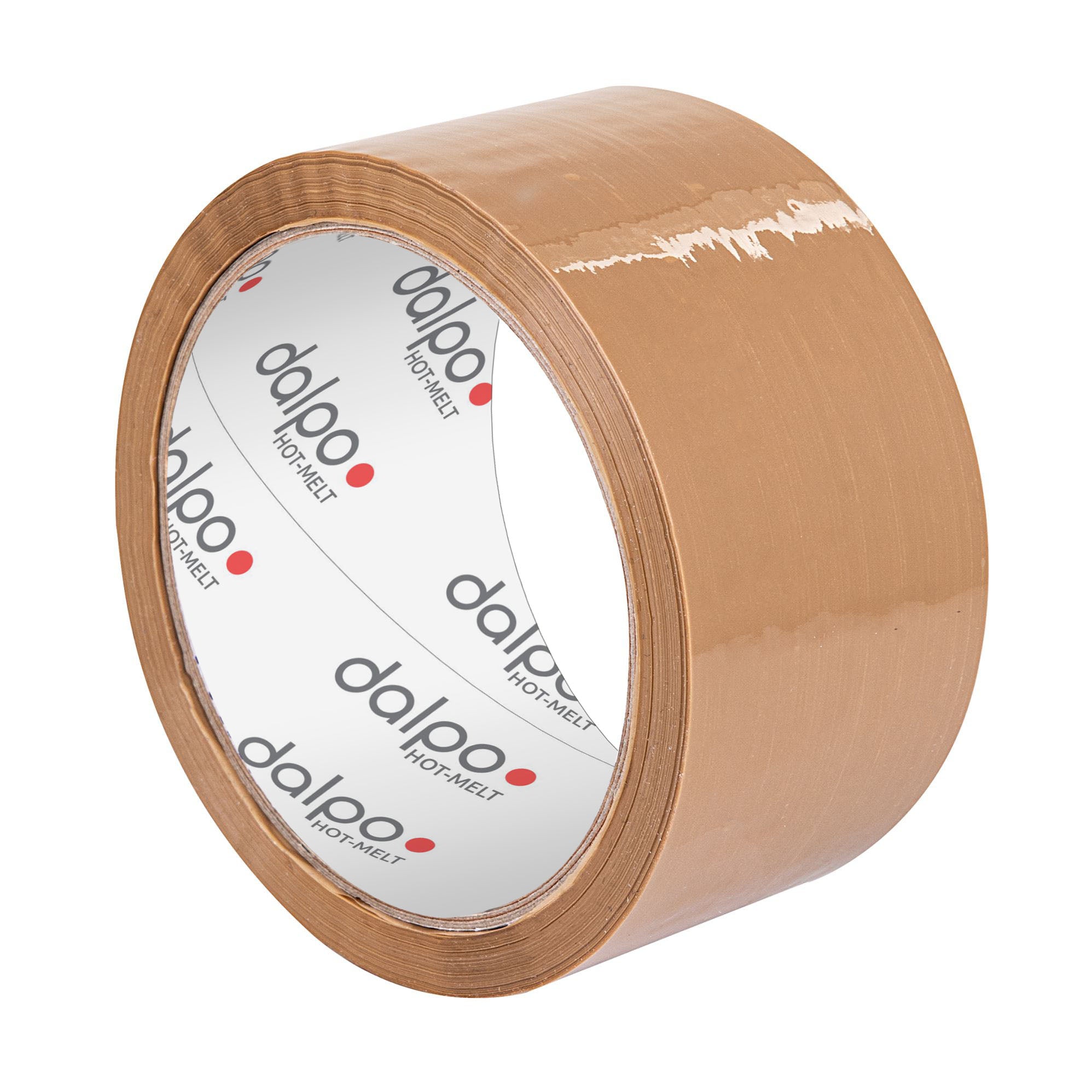
In this context, self-adhesive tapes made of kraft paper are useful, as they adhere well even to non-standard packaging and reduce the need for additional security.
3. Reusability
Less waste also encourages giving packaging a "second life." The possibility of reusing them or easily recycling them is of immense value both for the environment and for the consumer. Introducing systems for returning packaging, product refill stations, or reusable packaging fits into this trend and shows that the brand thinks long-term.
-
Brown paper kraft solvent packaging tape 50 mm x 50 m
fromnetto9,88 zł -
Brown eco-solvent packing tape 48mm x 54m
fromnetto2,13 zł