Organizing a street race – how to properly mark the route and ensure the safety of participants?

Learn how to properly mark the route, ensure participant safety, and make your organized race an event to remember!
Formalities you must complete before organizing a street race
Before the first competitor steps to the starting line, you must take care of the necessary formalities. First, obtain the consent of local authorities by registering the event with the commune or city office. If the route will run through public roads, you will also need a permit to occupy the road lane and consent to close off parts of roads to traffic.
When choosing a street race route, adjust the distance to the number of runners and the terrain. Choose sections that will facilitate the placement of barriers, markings, and will be safe for participants. It is also worth ensuring event insurance, covering potential accidents or unforeseen circumstances.
How to ensure safety on a street race route?
One of the challenges when organizing a street race will be clear and professional route marking. Events taking place on public roads must be clearly marked for both participants and other road users. Proper preparation minimizes the risk of accidents and significantly affects the safety of the entire event.
- Safe route marking – The race route should be marked clearly and unambiguously. In places where the boundaries may be unclear, it is worth using warning tapes and directional arrows. Warning tape with your own print will be perfect for this purpose. Markings with the event logo will improve visibility and at the same time increase the event's recognition. Indicators should be placed along the entire race route, at intervals of 500–1000 meters, so that participants have no doubt about the direction of the race.
- Protective barriers and fences – On sections near street traffic, it is necessary to install metal protective barriers that will separate runners from vehicles. Such barriers should also appear at the start and finish lines to better organize participant traffic, reduce chaos, and maintain order.
- Dangerous spots – Potentially dangerous points, e.g., near intersections, should be additionally marked and staffed by police officers, municipal guards, or trained volunteers. Their presence not only increases safety but also streamlines traffic control and communication with participants.
- Checkpoints – Organizing checkpoints along the street race route will be essential. They should include access to drinking water and volunteer support. Checkpoints should be spaced every few kilometers along the route. Mark them with red and white warning tape to distinguish these locations and indicate to participants where they can seek help.
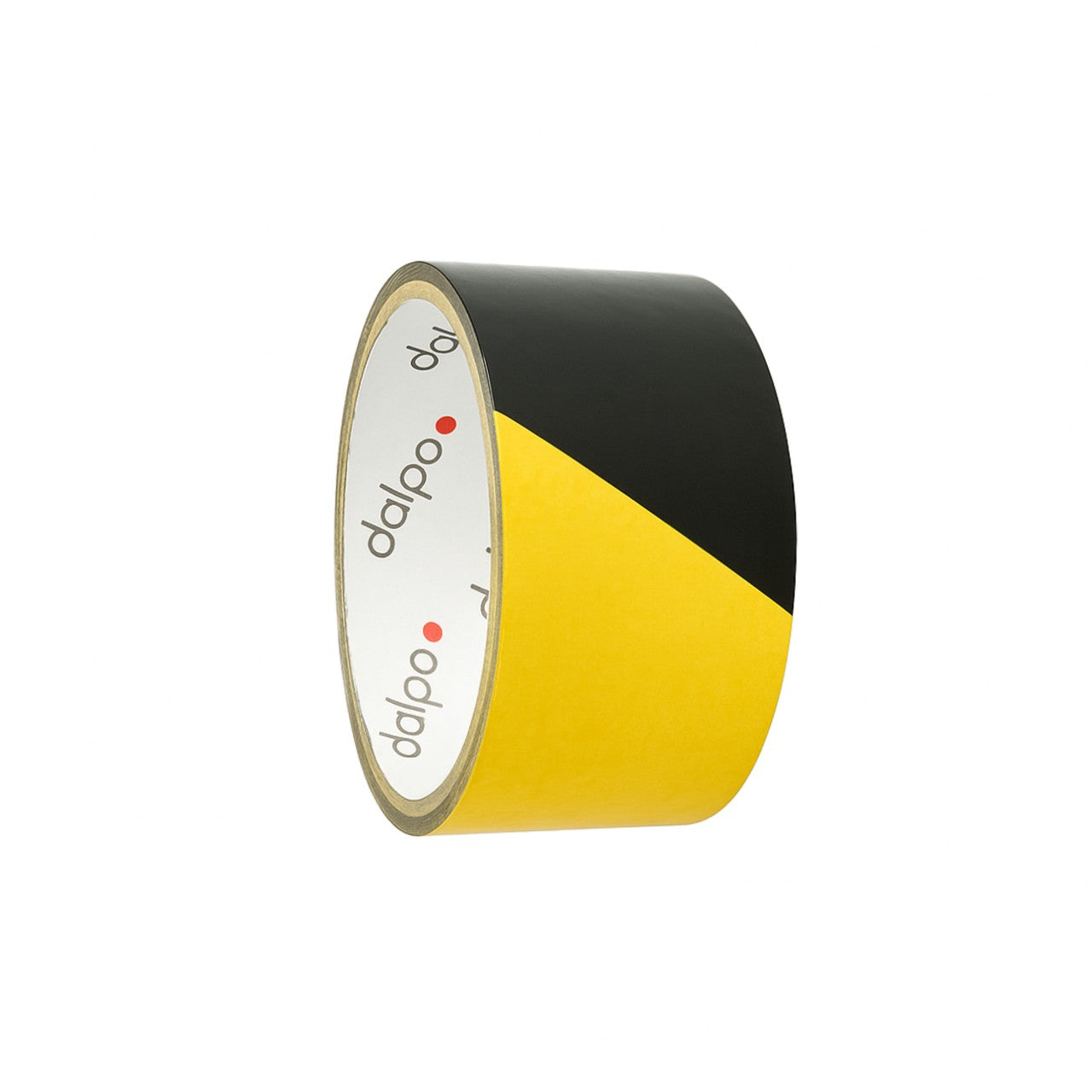
- Medical points – When organizing long-distance runs, the presence of rescue teams is essential. First aid points should be equipped with appropriate equipment and rescue personnel. It is good practice to mark these places with black and yellow barrier tape, which will facilitate their identification in emergency situations.
-
Black and yellow hot-melt warning tape 48 mm x 33 m
fromnetto3,46 zł